BLOG List
How To Choose The Right Stainless Steel Grating for Your Project
Choosing the right stainless steel bar grating starts with understanding your project's drainage demands, load requirements, and environmental exposure. Whether you manage municipal infrastructure, food-grade processing facilities, or export-oriented construction supply chains, the wrong grating choice leads to premature corrosion, installation rework, and costly downtime. This guide walks you through every critical decision point — from alloy grade selection and slot spacing to supplier verification and long-term upkeep — so your next procurement move is grounded in technical clarity and operational confidence.
Understanding Stainless Steel Bar Grating: Key Features and Benefits
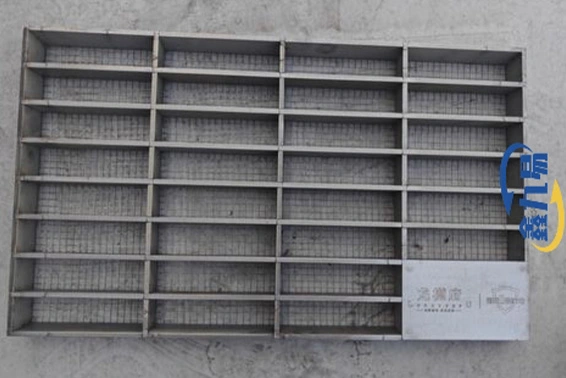
At its core, stainless steel bar grating is a structural filtration panel made up of load-bearing bars that are parallel to each other and cross bars that are not parallel to each other. These cross bars are connected to one another by welding or pressure locking. Separating liquids like rainwater, sewage, and wastewater from solids like leaves, rocks, and construction waste is its main job. This keeps pipes, drainage ditches, and machines from getting clogged.
Why It Outperforms Alternative Materials?
Stainless steel bar grating has a much better strength-to-weight ratio than galvanized steel, cast iron, or fiberglass. It is also naturally resistant to corrosion and doesn't need to be coated to keep it that way. ASTM A666 says that austenitic stainless steel keeps its shape over a wide range of temperatures and doesn't rust in either acidic or alkaline environments. This directly turns into a service life of 15 to 30 years, which is a number that galvanized options rarely come close to in chemically active or outdoor settings.
The material's chromium oxide layer heals itself when it gets scratched, which makes it a low-maintenance choice for seaside infrastructure, business kitchen floor grates, and covers for storm drains.
Typical Applications Across Industries
Stainless steel bar gratings can be found in a lot of different tough places. It is used by municipal engineers to design stormwater channels and road drainage systems. Food processing plants and business kitchens need grating surfaces that are smooth and can be washed directly without holding germs. The natural shine of the material is preferred for esthetic integration in high-end garden projects and business plazas. Because each situation calls for a slightly different setup, grade choice and exact measurements are so important.
Essential Criteria for Choosing the Right Stainless Steel Bar Grating
The needs of two projects are never the same. Before placing an order, you need to look at a number of interdependent variables to make the right choice.
Alloy Grade: 304 vs. 316
Picking between 304 and 316 stainless steel is the most important choice that needs to be made during the buying process. Grade 304 is good for most commercial and municipal drainage jobs because it is very resistant to corrosion from the air and most food-grade chemicals. Grade 316 has 2–3% molybdenum in it, which makes it much more resistant to pitting in places with a lot of salt, like seaside sites, marine platforms, and industrial wastewater systems. If you choose the wrong grade or accept 201 instead of 304, surface rust will happen faster and the structure will be weaker in just a few years.
Slot Spacing, Bar Thickness, and Load Class
The distance between slots directly affects how well they catch trash. The Xinjiuyi gap range can be set to anywhere from 20 mm to 100 mm, so it can be used for a wide range of tasks, from filtering out small particles in food plants to catching large amounts of rainwater in public waterways. Engineers can figure out how much weight a plate can hold for walks for people, repair platforms, or areas for light vehicles by measuring its thickness from 2 mm to 8 mm. Instead of picking these parameters based on a rough idea, they should always match the project's structure plans.
Comparing Stainless Steel Bar Grating Options: What to Evaluate Before Purchase?
Comparing the different stainless steel bar grating product options is a good way to make sure you don't overpay for features you don't need or underspecify in ways that put safety at risk once you know what your technical needs are.
Before making a decision about a seller, buying teams should look at these main factors:
- Material traceability: Each production batch should have a mill certificate that can be checked and confirms the alloy's composition. Positive Material Identification (PMI) testing is still the best way to make sure that high-stakes projects follow the rules for 304 vs. 316 compliance.
- Dimensional precision: Grating panels made with a CNC machine should have very close measurements for length, width, and bar spacing. Any change in the uniformity of the slots leads to installation gaps, uneven surfaces, and maybe even hygiene audit failures in food-grade settings.
- Surface finish options: The mill finish is good for industrial drainage jobs where looks are not important. Surfaces that have been polished or electropolished must be used in FDA-compliant food facilities, medical settings, and high-end landscaping projects where both cleaning effectiveness and esthetic appeal are important.
- Load verification: Reputable manufacturers test deflection against set load classes using NAAMM MBG 531 or similar standards. Before approving samples, ask for test data.
These evaluation standards lower the chance of getting products that look like they meet the requirements on paper but don't work well in the real world. When purchasing teams don't check samples, they often have to pay more for rework than they save by buying in bulk.
Procurement and Supplier Selection Guide for Stainless Steel Bar Grating
When you buy directly from a manufacturer instead of going through a middleman distributor, the lead time is usually shorter, customization is easier, and quality control paperwork is easier to track.
Certifications and Quality Systems
Suppliers with ISO 9001 quality management systems show organized process controls during the whole process, from making the goods to inspecting them and delivering them. ISO 14001 certification for environmental management and ISO 45001 compliance for workplace health and safety are two more signs that a business is mature. These credentials are standard requirements for both local government bids and international export orders.
Evaluating Customization Capability
For projects that need non-standard trench widths, load profiles, or surfaces that meet cleanliness standards, it's important to find a maker that can work from technical plans instead of catalog specs. A good company that makes stainless steel bar grating should be able to change the panel sizes, bar spacing, and surface treatment within a set lead time, which is usually 15 to 30 days for bulk orders. It is important to find out if the factory has CNC cutting and automated welding equipment, since making things by hand can lead to inconsistent sizes when done on a large scale.
Packaging and Export Readiness
For export purchases, using moisture-barrier materials and wooden crates for anti-rust packing is important to keep the surface from oxidizing while it's in transit across the ocean. To make it easier for customs clearance and quality checks later on, suppliers should send all the paperwork needed for export, such as material certificates, packing lists, and certificates of origin.
Maintenance and Long-Term Performance Tips for Stainless Steel Bar Grating
Most drainage materials need more care than stainless steel bar gratings, but a basic maintenance plan will protect your investment for decades.
An check every six months takes care of the buildup of debris in the slot holes, which over time makes drainage less effective. Most surface dirt can be removed with mild alkaline cleaners. Chloride-based cleaners should not be used on 304-grade panels outside for long periods of time because they cause cracking at the weld joints to happen faster. Periodic electropolishing restores the passive oxide layer on polished surfaces used in food-grade settings and gets rid of micro-scratches that could hold living things.
Finding localized surface stains early on—which usually looks like small brown spots near where two welds meet—allows focused treatment before structural degradation happens. To keep the drainage working well and the load being spread evenly across the system, replacement panels should always be made from the same metal grade and slot standard as the originals.
Conclusion
Choosing the right stainless steel bar grating is an important structural and practical choice that will have long-lasting effects. The final specification includes the alloy grade, slot geometry, load class, surface finish, and the ability to track back to the supplier. When projects skip this step, they usually have to pay for it with corrosion reports, reworked installations, or cleanliness tests that fail. Before the first panel ships, most of the risk of buying is taken care of by a methodical evaluation based on project drawings, verified material certificates, and proven fabrication capability.
FAQ
When should I specify 316 over 304 stainless steel grating?
Choose 316 if the installation site is regularly exposed to chloride, like in coastal areas, marine buildings, chemical processing plants, or food plants that use salty cleaning solutions. The molybdenum in 316 stops pitting rust, which 304 can't handle in those conditions.
Can I order custom dimensions directly from the manufacturer?
Yes. Manufacturers like Xinjiuyi can take project drawings and make panels that are exactly the size and weight that you need. For a correct quote, please include the hole width, the needed slot spacing, the plate thickness, and the surface finish requirements.
How do I verify the alloy grade of received grating?
Ask for a mill certificate with every package, and for high-value or controlled projects, you might want to test received samples for PMI (Positive Material Identification). This lets you know for sure if the metal is real 304 or 316 and not lower-grade 201.
What load classes are available?
Standard layouts allow for foot movement and light car loads. Maintenance vehicles and industrial equipment can be moved with heavy-duty configurations that have bars that are thicker and closer together. Always check the load class against the papers that describe the structure.
Is polished surface finish necessary for food plants?
Yes. Polished surfaces lower surface roughness (Ra value), make it easier to clean completely, and stop germs from sticking to them—all of these things are required by standard food safety audit protocols.
Get a Custom Stainless Steel Bar Grating Quote from Xinjiuyi
Xinjiuyi makes stainless steel bar grating to your exact specifications. They can make anything from food-grade trench grates to covers for city sewage systems. As an ISO 9001, ISO 14001, and ISO 45001-certified company that makes stainless steel bar grating, we can handle large orders, customizations that aren't standard, and export packaging for projects around the world. To get a detailed quote right away, email our buying team at global@xjy8.com or go to xjy8.com.
References
1. National Association of Architectural Metal Manufacturers (NAAMM). Metal Bar Grating Manual MBG 531. 2000.
2. ASTM International. ASTM A666: Standard Specification for Annealed or Cold-Worked Austenitic Stainless Steel Sheet, Strip, Plate, and Flat Bar. 2015.
3. American Institute of Steel Construction (AISC). Steel Construction Manual, 16th Edition. 2023.
4. Outokumpu Stainless. Corrosion Handbook: Stainless Steel Grades and Applications. 2021.
5. International Stainless Steel Forum (ISSF). Stainless Steel in Infrastructure: Durability and Life Cycle Performance. 2019.
6. Food and Drug Administration (FDA). Food Safety Modernization Act (FSMA): Equipment and Facility Sanitation Guidelines. 2022.
Why Do Carpenters Need a Working Canopy for Outdoor Projects?
Outdoor carpentry work carries risks that most people underestimate. A carpenter working canopy addresses the most persistent challenge on any construction site: the inability to control the environment where precision work happens. Rain warps kiln-dried lumber in hours. Direct sun accelerates adhesive curing unpredictably. Wind scatters sawdust into eyes and lungs. Without a dedicated woodworking shelter, productivity collapses and safety incidents multiply. Research from OSHA consistently identifies weather exposure and inadequate workstation boundaries as contributing factors in site injuries. A proper canopy structure is not optional equipment—it is a foundational safety investment.


Why Outdoor Conditions Threaten Carpentry Operations?
A carpenter working canopy solves this problem. Most people don't realize how dangerous it is to do carpentry work outside. One of the biggest problems on construction sites is that it's hard to control the environment where precise work is done. Kiln-dried wood bends in hours when it rains. Direct sunlight speeds up the healing process in strange ways. Wind blows sawdust into your eyes and lungs. Without a designated shelter for woodworking, output drops and safety problems rise. According to research from OSHA, weather exposure and not having enough space between workstations are two main causes of injuries on the job site. A good cover construction is not an extra piece of gear; it is an essential investment in safety.
Weather Damage to Materials and Equipment
Moisture is the main thing that can ruin good woodworking. Wood that has been dried in a kiln grows, warps, and changes its shape when it gets wet. A 2019 study in the Forest Products Journal showed that even short contact to rain can raise the moisture content of wood by 4–8%, which can change the size of structural lumber in a way that can be measured. When circular saws and table saws are left out in the rain for a few days, the blade arbors and bearing surfaces rust. This makes the tools much less useful for a longer time.
Dust, Noise, and Chip Containment
When wood is processed, particles are released into the air that are higher than what OSHA allows without control. A covered processing zone keeps sawdust inside a clear area, which makes extraction systems work better and keeps workers nearby safe. Standardized woodworking shelters have a design with two enclosures that keep chip splashes inside while still letting air flow naturally. This cuts down on areas that are dangerous for breathing and makes sure that nearby work areas meet cleanliness standards during inspections.

Key Features and Design Considerations
To choose the right overhead safety structure, you need to look at a number of things that affect each other. How well a cover works over the course of a project depends on its size, material grade, surface treatment, and fire protection. Here are the main structure differences between a professional answer and one that was made on the spot:
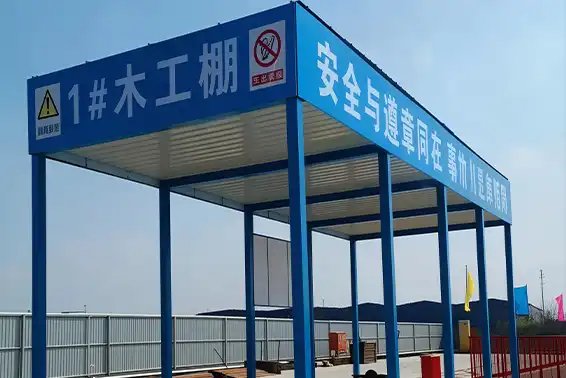
- Structural framework: The load-bearing backbone is made up of national standard high-strength steel columns that are 100 mm x 100 mm and have walls that are 2.0 mm thick. The two-column design properly spreads vertical and lateral loads, so the structure doesn't bend when heavy snow falls or when equipment shakes.
- Coverage footprint: A standard working area of 6000 mm × 3000 mm can fit several operators and stationary equipment at the same time. With width choices of 3000 mm, 4000 mm, and 6000 mm, the size can be adjusted to fit the plan of the equipment, so workers don't have to change to fit the structure.
- Fire-retardant envelope: The panels on top and around the outside are made of fire-resistant materials that meet the standards for fire safety on a building site. This has to be done in places where people work with wood because fine sawdust can start fires.
- Professional coating: A powder-spray surface treatment protects all steel parts from rust and rusting, so the structure stays strong even when the weather changes from rain to humidity to temperature.
All of these things work together to make a workspace with a carpenter working canopy that passes civilized building acceptance reviews and really protects workers and materials throughout the span of the project.
Pay close attention to the 3700 mm standard height. Shorter makeshift buildings can't provide enough space above for tall formwork panels, vertical lumber storage, and workers standing up with tools raised for safety reasons. Height choices that can be changed make it even more useful for a wide range of tools and ventilation setups.

Comparing Fixed Canopies with Alternative Solutions
Standardized steel canopy structures are often weighed against portable pop-up shelters or simple tarpaulin arrangements by site managers. The trade-offs are important, and they should be looked at honestly.
Portable cloth shelters are easy to move around and don't require a big investment up front. But their structures aren't strong enough to stand up to sustained wind loads above 30 mph without anchoring systems that take a long time to set up. Their frames, which are usually made of thin-walled aluminum, become permanently deformed after a moderate impact, and fabric panels don't really protect against fire when they're close to where sawing is happening.
When canvas covers are made on the spot, they have even more problems. They make pools of water that collapse under their own weight, block views, and don't contain any dust. Tarpaulin covers are often cited by site inspectors as not being enough to comply with woodworking zone rules.
These holes can be filled with a steel-framed, flexible carpenter working canopy. The bolt-connection system makes it easy to take apart and move between stages of a project without using special tools. The building is moved to the next spot without any damage, so the initial investment is spread out over several deployments. Over the course of five years, the cost of a permanent steel canopy for each project regularly falls below the total cost of replacing disposable movable options.
Procurement Guide: Choosing the Right Woodworking Canopy
When buying site protection structures, you have to make sure that the product specs match the verified project needs. One common reason for failed acceptance checks and expensive changes made on-site is rushing through this process.
Before asking for quotes, buying managers should write down the following:
- How big the processing zone is and how much space all the fixed equipment takes up
- Criteria for local acceptance from the appropriate building safety body
- Color requirements and branding elements, such as the company logo and safety signs in multiple languages
- Delivery window based on the start date of the project
- Whether deployment to a single site or multiple sites is planned
The engineering team at Xinjiuyi supports checking the sizes before production. This gets rid of the non-standard fit mistakes that require costly changes in the field. Customization includes widths from 3000 mm to 6000 mm, changes in height for special equipment, brand color coatings, and warning labels in more than one language. This level of proof before delivery is what sets a dependable carpenter working canopy provider apart from a catalog seller.
Documentation is also part of a supplier's responsibility. Certifications for fire resistance, records of structural integrity tests, and confirmations of material thickness give procurement managers the proof they need to meet the needs of internal compliance reviews and questions from external inspectors without having to rush after delivery.
Maintenance and Longevity for Sustained Site Performance
Most site managers don't realize how little maintenance a steel canopy structure built to national standards needs, but regular care does protect the investment and make it last longer.
After the first month of use and after any major weather event, check all fixed connections again. Machinery close can slowly loosen fasteners that seemed safe when they were first put together. Use a torque tool to tighten to the standard instead of guessing by hand.
Every three months, use a light soap and soft brush to clean the covered steel surfaces. Do not use rough pads that can scratch the protected covering. If an impact damages only a small area of the covering, use touch-up spray right away to keep water from getting into the uncovered area.
After any debris hits, the fire-resistant panels on the top and sidewalls should be checked for tears or deformation. The structure's acceptance paperwork says that it meets fire safety standards, but damaged walls make that less certain. Xinjiuyi offers technical help after delivery and keeps spare parts on hand for repair orders. This keeps panel damage downtime to a minimum.
When a project is finished, take apart the parts in the opposite order of how they were put together, clean each one, and store them somewhere dry and protected. Proper off-season storage stops coatings from wearing off faster and keeps parts in the right shape for putting them back together on the next job.
Conclusion
When carpentry work is done outside without proper overhead protection, workers, materials, and project schedules are put at unnecessary risk. A custom-built steel carpenter working canopy that has fire-resistant walls, a professional coating, and paperwork ready for compliance can handle issues with weather, safety, and acceptance better than stock options. The investment pays off over many projects because there is less work that needs to be redone, checks are done faster, and workers are always safe. Picking a maker with clear quality standards and quick customization options can mean the difference between a building passing inspection and one that needs expensive fixes.
FAQ
What makes a steel canopy more suitable than a portable shelter for woodworking zones?
Structurally stable structures made of steel are better than portable fabric canopies. They can stand up to sustained wind loads, damage from machinery and lumber, and fire-resistant panel systems that are needed for woodworking zone compliance. Portable shelters are good for short-term shade, but they can't handle the technical and fire safety needs of places where cutting is happening.
Can the canopy dimensions be adjusted to fit non-standard processing zones?
Yes. Xinjiuyi lets you change the length, width (3000 mm to 6000 mm), and height of an object in all three dimensions. Before production, the engineering team checks the measurements to make sure there are no mistakes with the fit on site.
Does the structure comply with fire safety acceptance requirements?
The panels on top and around it are made of fire-resistant materials that meet fire safety standards for woodworking processing zones on building sites. If you ask, you can get the paperwork that supports acceptance review.
How long does assembly take on site?
A trained team can quickly put together a standard unit thanks to the flexible bolt-connection design. Xinjiuyi gives installation teams detailed instructions on how to put the products together and technical support after delivery.
Is the canopy transferable between multiple project sites?
Yes. The bolt-connection system makes it possible to take the structure apart and put it back together without any special tools. This means that the structure can be moved from one site to another and the cost of the investment spread out over several project launches.
Get Your Custom Carpenter Working Canopy from Xinjiuyi
Xinjiuyi offers both standard and fully customized carpenter working canopy solutions that are made to fit your site's exact measurements, color needs, and safety standards. We are certified by ISO9001, ISO45001, and ISO14001, and we offer precision manufacturing along with full project support from the planning stage to the delivery phase. You can email our team at global@xjy8.com or go to xjy8.com to start your question and get details.
References
1. Forest Products Journal — Wood Moisture Content Variability and Dimensional Stability Under Field Exposure Conditions, 2019.
2. OSHA Technical Manual, Section III: Construction Industry Safety Standards — U.S. Department of Labor, Occupational Safety and Health Administration, 2021.
3. Journal of Construction Engineering and Management — Weather-Related Productivity Loss on Outdoor Construction Projects, ASCE, 2020.
4. Construction Safety Quarterly — Standardized Site Facility Design and Acceptance Compliance in Urban Construction Projects, 2022.
5. Building Research & Information — Material Degradation Mechanisms in Exposed Outdoor Construction Environments, Taylor & Francis, 2018.
6. International Journal of Occupational Safety and Ergonomics — Airborne Wood Dust Exposure Assessment and Control Strategies at Construction Sites, 2021.
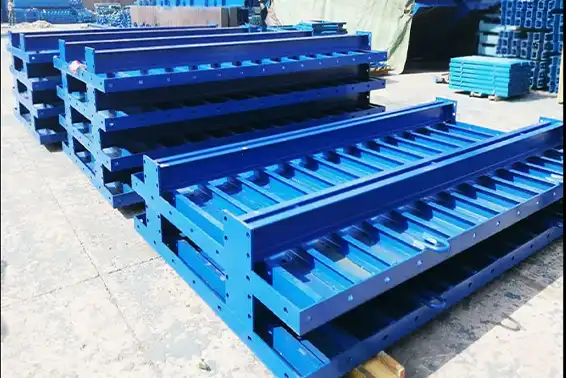
How much concrete pressure can steel column formwork withstand?
Steel column formwork must resist substantial lateral forces generated by freshly poured concrete. Based on engineering standards and field-validated data, well-engineered square column steel formwork withstands concrete lateral pressure ranging from 40 kN/m² to 80 kN/m², depending on pour rate, concrete temperature, and slump characteristics. At Hebei Xinjiuyi Construction Technology Co., Ltd., our modular column formwork systems are engineered from Q235 cold-rolled steel with integrated stiffening ribs, designed to handle these hydrostatic loads while maintaining dimensional accuracy within ±1 mm — delivering fair-faced concrete finishes without honeycombing or grout leakage.

Understanding Concrete Lateral Pressure and What Steel Formwork Must Resist
As soon as it's poured, fresh concrete acts like a fluid. The water pushes against the walls of the formwork, and the pressure is highest near the base of the pour. The ACI 347R-14 (Guide to Formwork for Concrete) says that the method to find the highest lateral pressure for column formwork is P = wh, where w is the unit weight of concrete (about 23.5 kN/m³) and h is the height of the pour.
Key Variables That Drive Pressure Levels
How much pressure your formwork has to withstand is always based on three things: the rate of pouring, the temperature of the concrete, and the type of additive used. When you pour concrete faster, it doesn't have as much time to start getting stiff, so it stays wet for longer and the horizontal pressure is higher. Lower temperatures make the process of soaking take longer, which makes the fluid pressure range bigger. When you pour high-slump or self-consolidating concrete, the water pressure is almost full throughout the whole pour height. Because of these factors, choosing the right materials and designing the structure are not choices but must be made.

Pressure Resistance Specifications and Design Principles
The building plans for column formwork are based on engineering standards from ACI, EN 12812, and ASTM. Formwork systems must show a safety factor, usually between 1.5 and 2.0, above the calculated maximum working pressure according to these codes. Most residential and commercial column uses design pressures between 40 kN/m² to 60 kN/m². However, high-rise pours or pours with pump help can raise the demand to 80 kN/m².
How Material and Structure Determine Pressure Capacity?
How much weight the system can hold without bending is based on the width of the face plate, the distance between the stiffeners, and the shape of the anchorages. The square column steel formwork in Xinjiuyi is made of Q235 high-strength cold-rolled steel plates that are bonded together with channel steel and angle steel ribs that make them stronger. The process of cutting, bending, and fully welding all at once gets rid of weak spots at joints. Visual and structural checks are done on every weld to make sure it goes all the way through. The connection places of the reinforcing ribs are checked against horizontal pressure and concrete vibrator contact. The GB 50204 deviation limit, L/400, tells us how to shape our panels so that the surface stays straight during each pour.
Panel thickness can be changed to meet the load needs of each project. Standard setups can fit widths from 300 mm to 1600 mm and heights up to 3000 mm. This gives buying teams the freedom to match the shape of the formwork to the structure plans without any problems.
How Installation Practices Directly Affect Pressure Performance?
When installed wrong, even the strongest formwork panel loses its rated strength. The system's real-world pressure resistance is affected by how the panels are aligned, where the braces are placed, and how tight the connections are. Stress builds up in places where tie rods are loose or panels aren't lined up right, which speeds up failure when the load is applied.
Here are the installation practices that most directly protect pressure performance:
- Panel alignment before pouring: Panels must be lined up so that they sit flush against each other and there is no space between them. Even a 1 mm misalignment makes it possible for grout to leak, which weakens the seal and leaves marks on the finished column's surface.
- Brace and clamp torque verification: Each connection point should be tightened to the torque values given by the maker. When vibrations happen, links that aren't tight enough let small movements happen, which add up to noticeable deflection at the surface level.
- Controlled pour rate: To avoid going over the maximum horizontal pressure level, you should only let the concrete rise vertically at the rate that your formwork's pressure design allows. This is very important when using self-compacting or high-slump mixes.
- Environmental temperature monitoring: When it's cold, concrete stays fluid for longer, so it can hold lateral pressure for longer. This risk can be successfully managed by changing your pour plan or using insulated curing methods.
These practices work together to ensure that your formwork system performs at its engineered capacity across every pour cycle. Neglecting any single factor can reduce effective pressure resistance below the design threshold, creating rework costs that dwarf the original material savings.
Comparing Steel, Timber, and Aluminum Column Formwork by Pressure Capacity
When building a tower, the choice of material affects everything that comes after. Even though timber formwork is easy to find, it can only handle lateral pressures of up to 30 kN/m² in normal conditions, and it loses its structural strength when it gets wet. Aluminum formwork is lighter than steel, but it can't handle as much pressure. This means it's not as good for high-rise columns where pump-fed concrete creates high hydrostatic loads.
Steel column formwork always does better than both options when it comes to resistance to pressure, steadiness in dimensions, and the ability to be used again. While wood warps and metal bends, Q235 steel panels keep their shape over 300 or more pour cycles with proper upkeep. Xinjiuyi's full-welding production method gets rid of the gaps between joints that let grout leak out, which is a common way for wood and some aluminum systems to fail. For purchasing managers looking at lifecycle costs, steel's 300+ reuse cycles spread the cost of acquisition across enough pours to make per-use savings over other materials that are meaningful.
In terms of shape, square column steel formwork spreads the weight of the concrete across flat panel faces, which needs strong stiffener reinforcement in the middle. Pressure is spread out in a circle by circular column shapes, which lowers bending stress but limits the modular freedom. Most residential and commercial column grids can use square profiles. This makes modular square systems the practical standard choice for most B2B procurement situations.
Enhancing Durability and Maintaining Safety Standards Over Time
For sustained pressure performance, maintenance must be done regularly between pour cycles. After cleaning, any leftover concrete should be cleaned up right away so that the surface doesn't harden and damage the panel face when it's used again. Xinjiuyi panels have an anti-corrosion painted surface that can stand up to the alkaline climate of new concrete. However, the coating can be touched up before corrosion weakens the structure if it is checked for damage on a regular basis.
Xinjiuyi is certified by ISO 9001, ISO 45001, and ISO 14001, which makes sure that environmental, health and safety at work, and quality management standards are followed at every stage of production. Before leaving our plant, each batch of panels is checked for flatness (within a maximum 2 mm deviation across the panel face), dimensional accuracy (within ±1 mm tolerance), and weld integrity. For seaside or chemically harsh areas, galvanized surface treatment updates are available to make the service life longer than painting versions.
Conclusion
The numbers are clear: column formwork must be able to safely handle 40 kN/m² to 80 kN/m² of lateral pressure from concrete, based on the project conditions. These needs can be met by properly designed square column steel formwork made from Q235 cold-rolled steel with full-weld construction and built-in strengthening ribs. It can be used over 300 times and still have a smooth, even surface. Choosing the right materials, installing them correctly, and keeping up with maintenance are all factors that affect how well your formwork works over the course of a project.
FAQ
What is the maximum concrete pressure steel column formwork can safely handle?
When it comes to pour rate, temperature, and mix design, well-engineered square column steel formwork systems can handle side pressures of 40 kN/m² to 80 kN/m². The top of this range is safely supported by high-strength Q235 steel that has stiffening rods built right in and is made with full-weld construction.
How does pour rate affect lateral pressure on column formwork?
Faster pour rates keep the concrete fluid for longer, which keeps the hydrostatic pressure against the walls of the formwork close to full. The easiest way to deal with this risk is to make sure that the vertical rise rate is equal to the design pressure capacity of your formwork.
How many reuse cycles can steel column formwork achieve?
Quality steel column formwork systems can be used 300 times or more if they are cleaned, stored, and maintained properly between rounds. Because it can be used again, the cost of materials per pour is much lower than with wood options.
Can steel column formwork be customized for non-standard column sizes?
Yes. Custom widths and heights outside of standard series are possible, and the fabrication process usually takes 14 to 21 days after the drawing is approved and the quality is checked.
What certifications should a reliable steel column formwork supplier hold?
A good starting point is to look for ISO 9001 quality control approval. Having ISO 45001 and ISO 14001 certifications shows that a company cares more about worker safety and environmental management throughout the whole manufacturing process.
Partner with Xinjiuyi — Your Trusted Square Column Steel Formwork Manufacturer
Xinjiuyi makes enterprise-grade square column steel formwork that is made to withstand the forces of real concrete over hundreds of uses. Our construction with Q235 steel, ±1 mm dimensional tolerance, and ISO-certified quality processes give procurement teams confidence from the first question they ask to the last delivery. Our engineering team is ready to help you with your project, whether you need standard panel series or fully customized non-standard configurations. To get a professional advice and quote right away, email us at global@xjy8.com or go to xjy8.com.
References
1. American Concrete Institute. ACI 347R-14: Guide to Formwork for Concrete. ACI, 2014.
2. British Standards Institution. EN 12812:2008 — Falsework: Performance Requirements and General Design. BSI, 2008.
3. ASTM International. ASTM E1745: Standard Specification for Plastic Water Vapor Retarders Used in Contact with Soil or Granular Fill under Concrete Slabs. ASTM, 2017.
4. Hurd, M.K. Formwork for Concrete, 7th Edition. American Concrete Institute, 2005.
5. China National Standard. GB 50204: Code for Acceptance of Constructional Quality of Concrete Structures. Ministry of Housing and Urban-Rural Development of China, 2015.
6. Peurifoy, R.L., and Oberlender, G.D. Formwork for Concrete Structures, 4th Edition. McGraw-Hill, 2011.
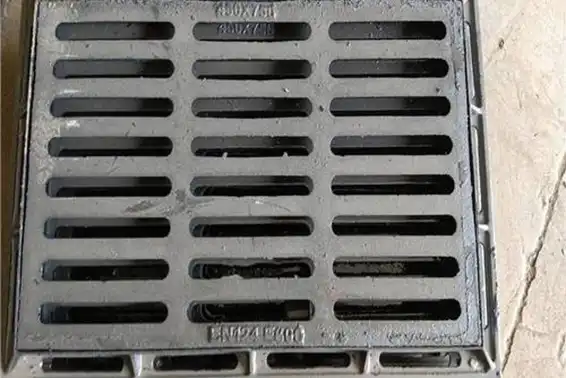
Is Ductile Iron Gully Grating prone to rusting and corrosion?
When you're investing in municipal infrastructure that must last decades, corrosion concerns naturally rise to the top of your decision-making list. So, is Ductile Iron Gully Grating genuinely vulnerable to rust and deterioration? The straightforward answer is that while ductile iron can experience surface oxidation when exposed to moisture and corrosive elements, it demonstrates significantly superior corrosion resistance compared to traditional grey iron or standard steel alternatives. With proper surface treatments such as bitumen or epoxy coatings—combined with its inherent metallurgical advantages—modern drainage gratings deliver 25-plus years of reliable service even in harsh urban and industrial environments. This durability stems from the material's unique microstructure and advanced manufacturing protocols that we'll explore throughout this guide.

Understanding Rust and Corrosion in Ductile Iron Gully Grating
What Actually Causes Corrosion in Iron-Based Drainage Components?
Sometimes, iron-based infrastructure parts rust when the metal surface reacts electrochemically with things around it. Odors in the air, water, and electrolytes like road salts or pollution from factories start to oxidize iron. The issue is worse in cities that use de-icing salts in the winter, get a lot of acidic rainwater with sulfur compounds, or are close to the coast. In nature, iron turns into iron oxide, which most people call rust, over time. These things speed up this process.
How Ductile Iron's Microstructure Affects Corrosion Behavior
Graphite in Ductile Iron Gully Grating is shaped like spheres, while graphite in gray cast iron is shaped like sheet metal. The clusters are arranged in this way to make the matrix more even. This keeps cracks from spreading and reduces the surface area that rust can attack. Traditional cast iron is made up of flake structures that are linked to each other. The continuous iron matrix that surrounds each graphite nodule works as a barrier that makes it take longer to penetrate. Surface rusting is less likely to happen because of this metallic benefit. This means that protective coatings work better for longer periods of time.
Common Misconceptions About Ductile Iron and Corrosion
Many people who work in procurement believe that iron-based items rust at the same rate, but this is not the case. As it turns out, the truth is a lot messier. When the weather is average, Ductile Iron rusts at a rate of 0.02-0.05 millimeters per year. There is a lot less of this than with exposed carbon steel, which can rust at over 0.1 mm per year. People also often think that once rust starts, the structure will always fall apart. When good Ductile Iron Gully Gratings are made with the right wall thickness and protective coats, they stay structurally sound even after decades of surface weathering because the depth of the rust stays within engineering standards.
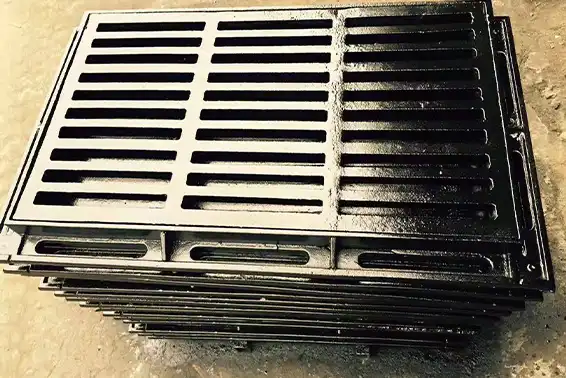
Corrosion Resistance Performance of Ductile Iron Gully Grating
Comparative Durability Against Other Materials
When we compare how well different materials work in everyday building tasks, Ductile Iron Gully Grating always comes out on top when it comes to strength and resistance to rust. Gray cast iron is cheap at first, but its flake graphite structure makes it more likely to break and lets rust spread faster. It is possible for standard carbon steel to hold its shape very well, but it needs strong protection to keep it from rusting fast. Plastic composite gratings can stand up to chemicals, but UV light breaks them down, they're not good with changing temperatures, and they can't hold enough weight for heavy traffic. Because it has a minimum tensile strength of 500 MPa and a corrosion rate that can be controlled by protective coats, Ductile Iron fills in these gaps.
Surface Treatment Technologies That Enhance Protection
For current industrial ways to keep the outside world out, they use many layers of protection. Bitumen layers that are 50 to 100 microns thick can be used as a cheap barrier in everyday city settings. They make a surface that doesn't attract water, which stops metal from coming into direct touch with things that can damage it. Epoxy powder coats are better at keeping chemicals away, which is helpful in business settings or places near the coast where chloride is more likely to be present. There are some companies that use hot-dip galvanizing, but not many. This is because the spheroidal graphite core makes it hard for the coating to stick. At Hebei Xinjiuyi Construction Technology Co., Ltd., we carefully treat our Ductile Iron Gully Gratings to make sure they meet EN 124 standards for durability. This makes sure that they will always work for the time they are supposed to.
International Standards and Quality Assurance
You can be sure that the rust resistance will work as planned if you follow well-known rules. Things have to pass strict tests set by EN 124:2015 before they can be verified. Some of these tests are being hit with salt spray, going thru cycles of freeze and thaw, and simulating long-term weathering. ASTM A536 sets the metallurgical standards for Ductile Iron. These standards make sure that the material always has the same properties that keep it from rusting. When a company gets ISO 9001 approval, it means they are committed to process control that ensures the finish stays the same across all output batches. Checking these certificates takes the guesswork out of evaluating buyers and gives written proof of the ability to protect against rust that meets the needs of the project and the tender.
Practical Maintenance Tips to Minimize Corrosion of Ductile Iron Gully Grating
Routine Cleaning and Inspection Protocols
If you keep up with drainage infrastructure maintenance, it will last a lot longer. If you look at the metal every three months, you can find early danger signs like coating wear, small areas of rust, or a pile of debris that keeps water against the surface. Cleaning with high-pressure water gets rid of sediment, organic matter, and corrosive residues that have built up before they can get thru the coatings that protect the Ductile Iron Gully Grating. To find aggressive corrosion before it weakens buildings in places with a lot of industry or near the coast, checks should be done once a month. By writing down the results of inspections, you can make a maintenance log that helps you plan replacements and find systems that aren't working right and need extra care.
Effective Repair and Recoating Strategies
Checks that show covering damage or early rust should be fixed right away so that the problem doesn't get worse and cost a lot to fix. If you wire brush or lightly abrasively blast the surface, you can get rid of free rust and prepare it for new coats. There is no need to take off the grating to fix safety barriers. Two-part epoxy repair solutions or bitumen mastics can be used instead. If coats keep coming off in some places, it could mean that the draining system isn't working right or that chemicals are being exposed to too much of them. Instead of fixing these spots, you should look into what's causing them. Road maintenance and repair work that are planned ahead of time help cities keep traffic low and make the best use of their resources.
When to Consider Replacement Versus Refurbishment
To make smart decisions about how to manage an asset's lifecycle, you need to look at both how it looks and how much strength it still has. The Ductile Iron Gully Grating is almost safe to use when rust gets thru more than 20% of the wall thickness. This is especially true when there is a lot of work to do. Structures have been pushed past their safe limits when they bend, crack, or lose their ability to stop movement. Instead, gratings that still have their core structure but have some corrosion on the outside can be professionally fixed up. This is much cheaper than replacing the gratings and makes them last at least ten more years. Economics studies should look at the costs of managing traffic, since replacing individual units during off-peak hours is often a cheaper choice than putting off repair until the whole road needs to be fixed up.
Selecting the Right Ductile Iron Gully Grating to Avoid Corrosion Issues
Matching Specifications to Environmental Conditions
To pick the right materials, you must first carefully look over the spot. Coasts need better protection coats and maybe even bigger wall sections to make up for the fact that salt makes rusting happen faster. Industrial parks that are close to chemicals need coats made of epoxy or polyurethane that don't mix with certain chemicals in waste. Some load grades, like Class E600 or F900, let the structure bend without putting people in danger. This makes them good for busy main roads. Bitumen coats on Class D400 Ductile Iron Gully Gratings work well in normal urban areas with low exposure. They are a good mix of initial investment and long-term value.
It's important to know what the load class standards are before you buy something. Many people walk and drive light vehicles in places where Class C250 is good because it doesn't need to be very strong but does need to be resistant to rust. Most of the time, Class D400 is used for roads and parking spots. It can stand up to heavy trucks and still keep from rusting. Busways and business areas with a lot of foot traffic are in Class E600. The environment is rough, and the loads change quickly. Airports, ports, and industrial heavy-haul lines that have to deal with rough terrain and big loads are what Class F900 is made for.
Material Alternatives and Long-Term Value Analysis
When you compare how much different materials cost over time, you can see that Ductile Iron is a better choice for tough jobs. Even tho plastic composite gratings are cheap to buy, they need to be changed every ten to fifteen years because UV light and normal wear and tear damage them. This means they cost more over time because they need to be changed more often. It is very hard for stainless steel to rust, but it is very expensive and doesn't always perform better than properly coated Ductile Iron. You can get traditional gray cast iron for less money at first, but it breaks and rusts more easily, so it costs more to keep up and is less safe. With the right installation and description, Ductile Iron has the best balance. It can last for 25 years with little care.
Evaluating Suppliers and Manufacturing Quality
Whether the theoretical properties of a material work in real life depends on how well you choose a manufacturing partner you can trust. When a company has ISO 9001, ISO 14001, or ISO 45001 certifications, it means they have a good quality management system in place that makes sure the metal features and finishing treatment are always the same. Third-party testing records for tensile strength, spheroidalization rate, and covering retention show that the product works as it should. Customization is important because skilled manufacturers can change designs without affecting the structural integrity. This is useful for projects that need non-standard sizes or load ratings. How sure the company is that the rust resistance will last is shown by how long the guarantee is. Suppliers you can trust offer 20-year warranties that are backed up by proof of performance in the field.
Conclusion
You need to know about material science, outside factors, and safety technologies in order to fix rust issues in Ductile Iron Gully Grating systems. All ferrous metals rust in some way when they come in contact with water and other things that break down metals. But new Ductile Iron gratings that are made well and have the right surface treatments will last for decades and work well in many situations. Protective coats last longer if you follow a few easy maintenance steps and make sure the product specs are right for the job spot. Only buy from approved manufacturers with high quality standards. The most lasting and cost-effective investments that can be made in infrastructure are drainage gratings that are properly defined. This is because they are bought based on their total lifecycle value instead of just their initial cost.
FAQ
Does coating type significantly impact corrosion resistance?
What kind of treatment you use makes a big difference in how well it stops rust over time. Bitumen coats are strong enough to protect everyday uses in cities that are constantly hit by water and salt from the roads. Chemicals don't stick to epoxy coats as well, so they work well in factories and along the coast, where high amounts of chloride make corrosion faster. How thick the covering is is just as important as what kind of material it is made of. When things are rough, coats with 100 microns work much better than ones with 50 microns.
Can corroded gratings be restored to service?
A professional can fix surface corrosion on Ductile Iron Gully Gratings that takes up less than 20% of the wall thickness. This kind of corrosion usually doesn't hurt the structure. During the process, any loose rust is taken off, any corrosion that is still there is minimized, and the right coats for protection are applied. As a safety measure, gratings that have bigger holes, structural deformation, or cracks need to be replaced. Engineers who have been trained to do so check the fix to make sure it meets standards for safety and durability.
How does ductile iron perform in freeze-thaw cycles?
The chemical makeup of spheroidal graphite iron makes it very resistant to changes in temperature. Gray cast iron can break when water in graphite flakes expands when it freezes, but cracks don't spread because of the way the metal is structured. Water can't get in because of protective layers. If it did, it could cause rusting below the surface during freeze-thaw cycles. After 50 rounds of freeze-thaw testing, gratings usually don't break if they were made properly and according to EN 124 standards.
Partner with Xinjiuyi for Superior Corrosion-Resistant Drainage Solutions
If you don't pick the right Ductile Iron Gully Grating company, your infrastructure investment will either not last for decades or you will have to keep fixing it. Drainage gratings made by Hebei Xinjiuyi Construction Technology Co., Ltd. are made to last a long time and not rust in factory and city settings that are rough. Our products are made of high-strength spheroidal graphite iron that has a minimum tensile strength of 500 MPa. They also have protective coats that are carefully applied and are built with anti-subsidence features that get rid of common ways that things fail. ISO 9001, ISO 14001, and ISO 45001 certifications back up the way we make our products, so they meet EN 124 and ASTM quality standards. Our expert team can help you with everything before you buy, from detailed drawings and specs to standard configurations and custom sizes made just for your project. Get in touch with our team at global@xjy8.com to talk about your drainage grating needs with a company that has a history of making infrastructure solutions that don't rust and will protect your investment for at least 25 years.
References
1. Davis, J.R. (2018). Corrosion of Iron and Steel: Mechanisms, Protection, and Control in Infrastructure Applications. ASM International Materials Park, Ohio.
2. European Committee for Standardization (2015). EN 124-2:2015 Gully Tops and Manhole Tops for Vehicular and Pedestrian Areas - Part 2: Gully Tops. Brussels: CEN.
3. Rajani, B., & Kleiner, Y. (2012). Comprehensive Review of Structural Deterioration of Water Mains: Physically Based Models. Journal of Infrastructure Systems, Vol. 18, No. 3, pp. 151-164.
4. American Society for Testing and Materials (2019). ASTM A536-19: Standard Specification for Ductile Iron Castings. West Conshohocken, PA: ASTM International.
5. Koch, G.H., Brongers, M.P., Thompson, N.G., Virmani, Y.P., & Payer, J.H. (2016). Corrosion Cost and Prevention Strategies in Municipal Infrastructure. Federal Highway Administration Report FHWA-RD-01-156.
6. Roberge, P.R. (2020). Handbook of Corrosion Engineering: Third Edition - Chapter 7: Corrosion of Iron and Steel in Civil Engineering Structures. New York: McGraw-Hill Education.
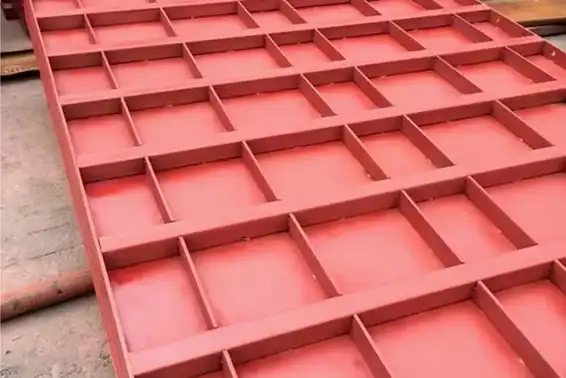
What is the difference between fixed and adjustable column formwork?
When procurement teams evaluate concrete forming systems, one question consistently surfaces: what separates fixed column formwork from adjustable column formwork? Fixed systems feature pre-determined, rigid panel dimensions welded to exact column sizes, delivering consistent geometry across repetitive pours. Adjustable systems incorporate slotted connections and modular components that shift to accommodate varying column cross-sections on the same jobsite. Both types fall under the broader category of square column steel formwork, and choosing between them directly impacts your cycle time, surface finish quality, and long-term material cost per pour.

Understanding Column Formwork and Its Types
The main job of column formwork is to hold freshly mixed concrete in place under side hydraulic pressure while it hardens to a strong structural state. If you don't have a rigid container, concrete will slump, bulge, and lose the precise measurements that structural engineers show on models.
Steel became the most popular choice for this job because it doesn't bend easily under high-speed pumped pours where pressures regularly reach 60–80 kN/m². Wood deflects and soaks up water, which leads to buckling and grout leaks. Plastic isn't stiff enough for towers that are more than one meter tall. Steel, on the other hand, keeps its shape pour after pour.
Fixed Column Formwork
When making fixed panel systems, the width and height are always the same. During the manufacturing process, every dimension is locked in place by cutting, bending, and fully welding the sheet together. Fixed panels work best when column sizes are the same on hundreds of similar floor plans, which happens a lot in residential tower building because they can't be changed in the field.
Adjustable Column Formwork
Slotted hole patterns or telescoping connectors in square column steel formwork adjustable systems let the space between panels change in small steps, usually 50 mm. One set of panels can cover more than one column cross-section in the same building, which cuts down on the amount of inventory a contractor needs to buy or move. Because they are modular, adjustable systems are the best choice for mixed-use business projects where planners want different column sizes in different areas.

Key Differences Between Fixed and Adjustable Column Formwork
Knowing how these two systems are built and how they work differently helps procurement managers choose the right tool for the needs of their project. When buying from a business in the construction industry, these are the things that matter the most:
- Structural rigidity: Fixed panels don't drift in any way because there are no parts that can move in the assembly. Adjustable panels have small joint surfaces at the connection points. They need to be installed with precise pressure to keep the ±1 mm accuracy in dimensions that high-quality concrete finishes require.
- Setup speed: On regular column grids, workers can strip and rebuild fixed systems faster because they do the same steps over and over again. When column sizes change, adjustable systems need a short setting step. This can add 10–15 minutes to each setup on different projects.
- Inventory efficiency: When the sizes of columns change, a fixed panel set stops being used. Formwork rental companies that manage fleets of tools for multiple projects like adjustable panels because they can be moved from one phase of a project to the next without getting stuck.
- Per-unit acquisition cost: Fixed panels are cheaper per unit because they don't need any precision-machined modification parts to be made. Because making adjustable panels is more complicated, they require a slightly higher initial investment that is recouped over a wider range of uses.
These differences aren't just technical; they also affect how much you spend when you buy something. Fixed panels have a lower unit cost and a faster cycle time, which is good for a general builder who is building 400 identical home columns. A person who runs a rental fleet needs the cross-project flexibility that only changeable shape can provide.
Benefits and Use Cases of Square Column Steel Formwork
Column forming methods made of steel work better than options made of wood or plastic on a large scale. Panels made from Q235 cold-rolled steel plate and strengthened with channel steel and angle steel supporting ribs don't bend when a 3-meter pour of water is put on them. The full-welding process makes seams that are smooth and flush with the panel face. This gets rid of the grout pathways that cause surface pitting and honeycombing.
Here are some of the main ways that square column steel formwork improves job site performance:
- 300+ reuse cycles with proper care, spreading the cost of acquisition over the lifecycle of a project in a way that wood systems can't. Wood usually only lasts 5–10 pours before surface degradation affects the quality of the finish.
- Fair-faced concrete surfaces are made possible by controlling the flatness of the panel to within 2 mm across its whole face. This cuts down on or gets rid of the need for secondary sealing and the work that goes along with it.
- Anti-corrosion painted surface treatment that resists rust and shields panels from alkaline concrete and the weather, keeping their structural integrity over long-term project operations.
These benefits directly lead to cost saves that procurement pros can measure. By floor 5, the difference in cost-per-pour between steel and wood becomes big in a 20-story apartment building with 300 identical columns poured every three days.
Comparison with Other Common Formwork Materials
When procurement teams look at column making systems, they usually compare steel to three other materials: aluminum, plastic composite, and wood.
Wood is the easiest material to get around the world, but it can't be reused very often and can bend when it gets wet, so it's not a good choice for projects with more than 20 column pours. Plastic composite panels are light and don't rust, but they can't hold enough weight for poles higher than 1.5 meters when pumped concrete pressures are normal. Aluminum has a good weight-to-stiffness ratio and is commonly used in block and wall systems. However, because it easily dents, it's not ideal for column uses where exact measurements are needed.
Square column steel formwork can withstand lateral forces of up to 80 kN/m², keeps its dimensions within ±1 mm throughout its service life, and provides smooth finishes that other materials can't match at a similar cost. For business-to-business buyers who are in charge of buying things for multiple projects, steel's higher term value always explains the higher initial purchase price.
How to Choose and Procure the Best Square Column Formwork?
To find the right type of formwork for a project, you need to be honest about four things: the project's length, the budget, the strategy for managing the fleet, and the consistency of the column sizes.
Fixed-dimension panels are useful for projects where the column grids are the same on all floors. Adjustable systems are needed for projects with different building styles or rental businesses with a wide range of customers. Buyers on a tight budget who want the lowest price per unit prefer fixed panels, while operators who want to get the most out of their assets prefer flexible configurations.
When looking at different providers, make sure they have these important things: ISO 9001 certification that proves they have quality management systems; dimensional tolerance paperwork that shows they meet requirements to within ±1 mm; weld inspection records; and packing standards for shipping by container or truck. The lead times for normal widths (300–1600 mm) and heights (up to 3000 mm) should work with the plan for moving your project.
Conclusion
Ultimately, the choice between fixed and adjustable square column steel formwork depends on the consistency of the columns in your project, your budget for buying them, and how you plan to manage your fleet. On regular column grids, fixed panels offer speed and lower unit cost; movable panels, on the other hand, offer flexibility and asset efficiency across a wide range of project needs. Steel is still the best material for both setups when it comes to cycle economy and surface finish quality. Not only does the right supplier offer panels, but they also offer technical configuration help, reliable lead times, and quality documentation that can be checked.
FAQ
Does adjustable column formwork sacrifice structural strength compared to fixed systems?
No, when properly torqued, adjustable link hardware keeps panels as rigid as set systems. The important thing is to follow the fitting torque guidelines given by the maker. When you make an adjustment at Xinjiuyi, we make sure that the dimensions stay within ±1 mm throughout the whole range of adjustments.
How many reuse cycles should I expect from steel column panels?
When steel panels are kept in good shape, they can be used 300 times or more. Technique for stripping, storage conditions, and upkeep for surface treatments are all things that can change the cycle count. Our Q235 steel plates with a sprayed anti-corrosion treatment are made to last longer and be used on more than one project.
What column widths are available as standard sizes?
Most standard widths are between 300 mm and 1600 mm. Xinjiuyi has panels in widths of 300, 400, 500, 600, 700, 900, 1200, 1400, and 1600 mm. They can also be made to order in other sizes for structure plans that aren't standard.
Can these systems handle high-rise construction pour pressures?
Yes, steel column formwork can handle lateral pressures of up to 80 kN/m², which is enough for standard pumped-concrete pour rates in commercial and residential high-rise buildings.
Partner with Xinjiuyi for Reliable Square Column Steel Formwork Supply
Xinjiuyi sells enterprise-grade square column steel formwork to builders and distributors of building materials all over the world. Our panels have a ±1 mm tolerance on their dimensions, can be used over 300 times, and come in packaging that is ready to be put in a container. Get in touch with our technical team to get a price on a setup that fits your column measurements and project timeline. You can email us at global@xjy8.com or go to xjy8.com to see all of our products.
References
1. American Concrete Institute. ACI 347R-14: Guide to Formwork for Concrete. ACI, 2014.
2. Peurifoy, R. L., & Oberlender, G. D. Formwork for Concrete Structures (4th ed.). McGraw-Hill, 2011.
3. Hurd, M. K. Formwork for Concrete (7th ed.). American Concrete Institute, 2005.
4. Gambhir, M. L. Concrete Technology: Theory and Practice (5th ed.). McGraw-Hill Education, 2013.
5. Construction Industry Research and Information Association (CIRIA). Formwork: A Guide to Good Practice (3rd ed.). CIRIA, 2012.
6. Chudley, R., & Greeno, R. Building Construction Handbook (12th ed.). Routledge, 2020.
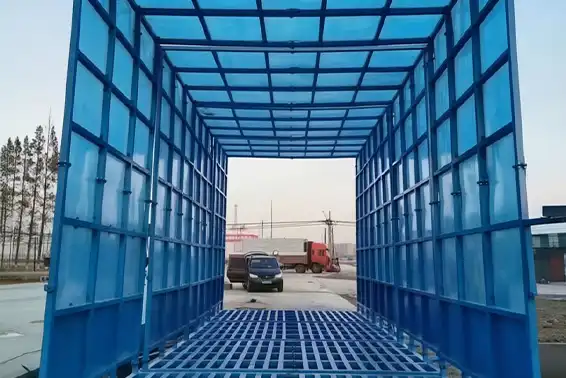
How does a safety experience zone improve workplace safety?
A safety experience zone improves workplace safety by replacing passive instruction with hands-on hazard immersion. Workers physically encounter simulated falls, electrical faults, falling objects, and equipment collisions within a controlled environment, triggering genuine psychological and physiological responses. This sensory engagement builds durable muscle memory that briefings and posters simply cannot replicate. Research consistently shows experiential learning increases knowledge retention by up to 75% compared to lecture-based formats. By exposing personnel to risk before they step onto an active site, these facilities measurably reduce violation rates, accelerate emergency response capability, and embed a proactive safety mindset across the entire workforce.

What Is a Safety Experience Zone and Why Does It Matter?
The Shift from Passive to Immersive Safety Training
Presentations, printed materials, and spoken instructions are a big part of traditional safety training. People have to listen to things that they might forget as soon as they get to work. Not not having enough information is not the main issue; it's not really understanding what's going on. When someone physically feels the instability of a platform or walks through a simulated falling-object scenario, the lesson sticks in their brain in a different way.
A construction safety training center fills in this gap by providing a specific space where people can become more aware of hazards through direct, multisensory interaction. The workers are made to see, hear, and feel fake danger. That event stays with them a lot longer than a video show ever could.
Documented Impact on Human Error Reduction
The National Safety Council says that about 90% of accidents at work are caused by mistakes made by people. Immersive training settings directly attack this number by teaching workers to automatically spot dangerous situations. Experience-based safety training has been used in construction, oil and gas, and utilities, and incident rates have consistently gone down after it was put in place. This is not a coincidence; it's based on a well-known concept in workplace psychology: learning through action changes behavior more consistently than learning through thought alone.

Core Mechanisms: How These Facilities Improve Safety Outcomes
Hazard Recognition Through Physical Simulation
The most immediate benefit of an immersive training zone is that it makes it easier to spot dangers. Workers go through scenario-based modules that teach them about risks related to heights, falling objects, electricity, fire emergencies, and machinery collisions. Each module has conditions that are like those on the job site, so workers learn how to recognize warning signs before a problem gets worse.
Here are the main ways that these tools work that make them useful:
- Accident simulation modules let them experience unstable heights, object impacts, and electrical shocks in a safe environment. This gives them a deep understanding that changes how they act on the job.
- Emergency response drills that happen inside the building train workers to follow evacuation plans, give first aid, and use fire suppression tools under real-life time pressure. These drills greatly shorten the learning curves.
- Standardized safety protocol reinforcement makes sure that every person goes through the same difficult case sequence. This gets rid of the problems that come up with informal safety training on the job.
These systems don't just tell workers about risks; they change how they think about and react to risks during live operations in a safety experience zone.
Customizable Curricula for Diverse Industries
The ability to be put together in different ways is an advantage of a well-designed training facility. When a building company works on different kinds of projects, like high-rises, bridges, and city structures, they need to focus on different kinds of risks in each place. A modular building can be set up so that the risks that are most important to each place are prioritized. Because it can be changed, training stays exact and relevant to the situation instead of being general.
Designing and Setting Up an Effective Facility
Layout Planning and Equipment Selection
A thorough site survey is the first step in designing a layout that works well. The training area needs to be big enough for workers to move between modules without getting squished, and teachers need to be able to see clearly. Ergonomic flow between stations cuts down on transition time and keeps people interested throughout the session.
In this way, Xinjiuyi's safety experience zone is a great example of good engineering. The frame is made up of thickened galvanized rectangular tubes and angle steel that are welded together to make a load-bearing structure that doesn't bend or shake even when it's being used at high frequencies all the time. Platforms made of steel plates have coats that keep them from slipping, and standard guardrails with mesh for safety are put up in every section. These choices about the structure aren't just for looks; they make sure that the training area doesn't have any other risks.
The building can be fully customized in all three dimensions and put together in modules, so it can be set up to fit small induction areas or stretched into large, multi-zone display and observation areas. It can be used more than 80% of the time, which means that companies can move and reinstall the same system between projects, which greatly lowers the cost of each one.
Comparing Physical Facilities with Virtual-Only Alternatives
Virtual reality tools are great for visual engagement, and it's clear that they can be used to teach people about safety. However, study in the field always supports a hybrid method. The kinesthetic response, like the way your muscles react when your footing isn't stable or when you feel a guardrail, is something that VR headsets can't fully replicate. For construction induction training in particular, physical simulation leads to more deeply conditioned behavior. Both approaches work well together; one does not completely replace the other.
Real-World Evidence: What the Data Shows
Construction Industry Outcomes
A 2019 study released in Safety Science found that workers who did both classroom and hands-on safety training in a safety experience zone were 34% better at identifying hazards than workers who only did classroom training. Separately, big infrastructure companies that set up organized safety training facilities saw a drop in lost-time accidents that could be measured in the first two years after implementation.
Construction worker orientation is one of the most powerful points of intervention in any safety management system. During the first few weeks on the job, workers who are just starting out are most likely to get hurt. An interactive induction center shortens the time it takes to learn at just the right time. It also shows that the company is serious about safety during project inspections and regulatory checks, which is a good way to show that the company is following the rules.
Maintaining Your Facility for Long-Term Performance
Scheduled Inspections and Component Longevity
Under normal care, structural parts of a well-built training center should last between ten and fifteen years. Digital and mechanical parts usually get new ones every three to five years. As part of regular maintenance, elevated platforms should have structural load audits, anti-slip surface coatings inspected, and guardrail anchoring integrity checked. Galvanized steel framing doesn't rust or corrode, so it can be installed outside in a variety of climates without breaking down faster.
At its factory in Xian County, Xinjiuyi makes all of its parts using quality systems that are approved by ISO 9001, ISO 45001, and ISO 14001, making sure that every unit that leaves the factory meets written safety and structural standards. Powder-coated paint styles can be added as an upgrade for projects that need to look better and be more resistant to rust.
Conclusion
Instead of telling workers what is dangerous, immersive safety experience zone training facilities let them feel it in a safe environment. This changes how they understand and react to danger. There is strong proof that learning by doing is better than passively being taught in the building, energy, and industrial sectors. A well-designed building lowers the chance of mistakes made by people, improves the ability to handle emergencies, and gives clear benefits by lowering incidents, following rules, and reusing assets for multiple projects.
FAQ
What footprint does a standard facility require?
Usually, 150 to 300 square meters are needed for a full multi-module building. Compact versions made for limited induction areas can work in areas as small as 50 square meters without losing the ability to simulate the core.
How often should structural components be audited?
We suggest a professional structure and safety calibration check every six to twelve months, with the frequency based on the number of trainees. As part of their regular inspections, elevated platforms should be checked for both steady and dynamic loads.
Can the facility integrate with existing EHS management systems?
Modern facilities that use IoT sensors can send records of trainee performance and certification straight to corporate health and safety platforms through open API links. This makes it easier to keep track of compliance paperwork.
What distinguishes a physical facility from VR-only training?
Screen-based tools can't give you the same level of kinesthetic conditioning that physical models do. Kinesthetic conditioning is the body's reaction to unstable surfaces, impact forces, and being lost in space. The best results for safety behavior come from a hybrid approach that uses both methods together.
Partner with Xinjiuyi — Trusted Safety Experience Zone Manufacturer
Xinjiuyi creates training programs for building safety that are designed to work in the real world. Our modular safety experience zone supplier can fully customize your order, make sure the structure is long-lasting with galvanizing, and help with installation anywhere in the world. We build facilities that protect workers and meet government standards, whether you are in charge of a single high-risk project or a collection of projects spread across multiple sites. Visit xjy8.com or email us at global@xjy8.com to get a layout advice and unique quote right away.
References
1. National Safety Council. Injury Facts: Work Safety Overview. 2023.
2. Haslam, R. A., et al. "Contributing factors in construction accidents." Applied Ergonomics, 2005.
3. Lim, B. T. H., & Ling, F. Y. Y. "Improving safety performance on construction sites." Safety Science, 2012.
4. Choudhry, R. M., & Fang, D. "Why operatives engage in unsafe work behavior: Investigating factors on construction sites." Safety Science, 2008.
5. Sacks, R., et al. "Construction safety training using immersive virtual reality." Construction Management and Economics, 2013.
6. Hallowell, M. R. "Safety risk perception in construction companies in the Pacific Northwest of the USA." Construction Management and Economics, 2010.
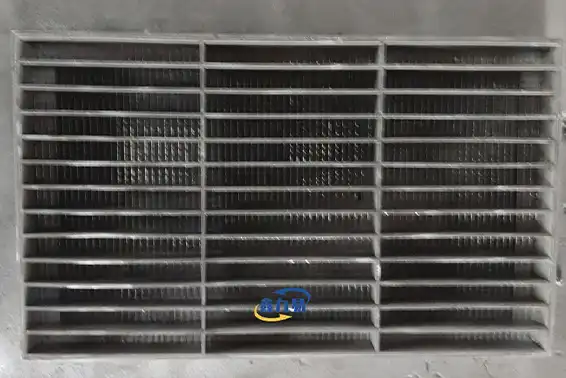
Top 5 Factors To Consider When Specifying Stainless Steel Bar Grating
When specifying stainless steel bar grating for municipal drainage, industrial platforms, or hygienic processing environments, five core factors consistently determine whether a product succeeds or fails in service: alloy grade and corrosion resistance, load-bearing configuration, grating type and fabrication method, installation and maintenance requirements, and supplier reliability with delivery capability. Getting any one of these wrong can lead to premature failure, project delays, or costly rework. This guide breaks down each factor with practical clarity so procurement engineers, project managers, and trade buyers can make confident, specification-grade decisions.

Material Grade and Corrosion Resistance
How long the grating lasts in its surroundings depends on the grade of metal you choose. This is not an extra choice; it is at the heart of every standard.
304 vs. 316: Matching Grade to Environment
Because it has 18% chromium and 8% nickel, Grade 304 stainless steel is very good at resisting rust in most drainage, landscaping, and building projects. Grade 316 adds 2–3% molybdenum, which makes it the best choice for places with a lot of chloride, like coastal infrastructure, offshore platforms, desalination plants, and food-grade processing lines where cleaning chemicals or salt spray are always a threat. ASTM A666 says that both grades create a passive chromium oxide layer that heals itself when exposed to oxidizing conditions. However, the molybdenum content in 316 makes it much less likely that it will pit in aggressive media.
Getting 201-grade material that is supposed to be 304 is a common problem in bulk buying. The result is faster surface rust in 12 to 24 months, which can lead to warranty claims and the cost of replacement. For important sales, make sure the mill test certificates (MTCs) can be linked to the exact output batch and ask for PMI (Positive Material Identification) testing. Every lot of stainless steel bar grating that Xinjiuyi ships comes with fully traceable material documentation.
Comparing Stainless Steel Against Alternative Materials
Carbon steel gratings are cheaper up front, but they need to be galvanized or coated with epoxy, which wears off in UV light and when they are hit by objects. Fiberglass mesh doesn't react with chemicals, but it's not dense enough to hold vehicles in vehicle-rated zones. Without any surface cleaning, stainless steel trench grating can be used for 15 to 30 years. This means that the total cost of ownership is much lower over the span of a project.

Load Capacity and Structural Specifications
Every floor grate or cover for a drainage ditch works under a certain load situation. If this isn't specified correctly, it can cause damage to the structure, safety problems, and failed inspections.
Calculating the Right Load Class
Light foot traffic is divided into three groups of load requirements: pedestrian, light vehicular (such as service vehicles and forklifts), and heavy vehicular (such as trucks and emergency equipment). The NAAMM MBG 531 standard includes displacement tables that show how bearing bar depth, spacing, and span length are related to different load limits. Bearing bar depth is the main factor that determines stiffness; a deeper bar across a wider span prevents movement better than just making the bars thicker.
We make stainless steel bar grating at Xinjiuyi. The plate width is between 2 mm and 8 mm, and the bar heights are 20, 30, and 40 mm. Slot openings range from 20 mm to 100 mm, which gives specifiers precise control over both the rate of hydraulic flow and the amount of debris that gets caught. By giving our engineering team project drawings, you can help them figure out the exact configuration your load class needs before production starts.
Grating Types and Their Application Match
Different ways of making things don't always lead to the same structure. When you know the difference, you can choose the right solution for the situation.
Welded, Press-Locked, and Swage-Locked Gratings
Welded stainless steel bar grating uses resistance welding at every point where the bearing bar and cross bar meet. This makes joints that are rigid, permanent, and able to hold the most weight per unit of weight. Because of this, it is usually used for heavy-duty drainage trenches in city streets and factory yards. Press-locked grating has a smooth, flat surface because it automatically presses cross bars into slots that have already been punched. It's best for high-end architectural and landscape projects where both function and look are important. Swage-locked grating is a light alternative for interior platforms and mezzanine walkways that don't need to hold a lot of weight.
Specialized types to think about include grating with a serrated surface for areas that get oily or are exposed to liquids, and grating with a polished finish for food processing plants and commercial kitchens where bacteria can grow on surface irregularities and cause audit risk. Our hygienic-grade panels have consistent slot designs that allow for direct flush-cleaning and meet the surface standards of tests that are in line with FDA and HACCP.
Maintenance, Installation, and Long-Term Reliability
Picking the right product is just one part of the process. Whether it lasts as long as it was meant to depends on how it is put and kept.
Installation Practices That Protect Structural Integrity
When stainless steel bar grating panels are properly anchored, they don't move when dynamic loads or foot traffic happen, which would otherwise cause edge wear and joint fatigue over time. To keep the bearing bars from being overloaded in one spot, the frame lines should be level within ±2 mm across the width of the panel. Panels shouldn't be permanently welded into drainage channels unless they need to be taken out for inspection. Bolt-down or clip-fixed systems let you get to them without damaging the structure.
Stainless steel doesn't need as much upkeep as galvanized steel, but if you don't clean out the slot holes, debris can build up and slow down limited corrosion through crevice mechanisms. Most city sewage systems only need to be inspected and cleaned with a jet wash every three months. Cleaning surfaces once a week with pH-neutral cleaners keeps them in good shape and stops bacteria from forming in food-grade areas.
When these steps are taken regularly, drainage grating that is properly defined can last the 15–30 years that stainless metals are designed to last.
Procurement: Supplier Qualification, Specifications, and Delivery
When something is bought, the choices made about the specifications become real-world danger or trust. As much thought should go into choosing a supplier as choosing a material.
What to Evaluate Before Placing an Order?
Here are the main things that set a reliable stainless steel bar grating seller apart from one that puts the project at risk:
- Material traceability: The seller should give mill certificates for 304 or 316 metal with heat and batch numbers that match the product that was shipped. Without this, the only way to be sure is for PMI to test upon arrival.
- Dimensional accuracy: Panels that are CNC-cut and precision-welded should be within the given ranges for length, width, and hole spacing. If the dimensions vary by more than ±1.5 mm, the installation has to be redone, and the slots get out of alignment, which affects how well the drainage works.
- Customization responsiveness: In public and hygiene settings, it's usual to have non-standard sizes, curved panels, and slot designs that are made just for that project. Within 24 to 48 hours, a capable manufacturer should accept drawings and let you know if they're possible.
- Delivery scheduling: For big city projects, delivery must be done in stages that match the order of construction. Make sure that your provider can send out partial orders within 15 to 30 days and increase production without lowering quality.
- Export readiness: For trade buyers who are combining full-container shipments, export cartons, anti-rust packaging, origin certificates, and paperwork in English must be included in order for customs clearance and for the end client to accept the goods.
Xinjiuyi has a modern factory in the Xian County Development Zone of Cangzhou that is certified by ISO 9001, ISO 45001, and ISO 14001. Our supply chain can handle both large orders from cities and panels that are made to order from project drawings and measurements.
Conclusion
Choosing the right stainless steel bar grating drainage grate saves both the project and the budget for buying it. Long-term rust efficiency is based on the grade of the alloy. The load class must match the structure's setup. The way the product is made affects both its strength and how clean its surface is. Planning for maintenance makes sure that the design lasts as long as it can. Supplier qualification bridges the gap between what was planned in the specification and what was actually delivered. Each of these five factors has a direct effect on the project's results. If you take them all into account, the product will work as planned for decades.
FAQ
What are the key differences between stainless steel and carbon steel bar gratings?
Stainless steel bar grating doesn't rust because it has a chromium oxide layer built in that doesn't need to be coated. Galvanizing or painting carbon steel grating is needed, but both of these finishes break down when they come into contact with chemicals, UV light, or normal wear and tear. Stainless steel always works better than carbon steel in long-term drainage uses in terms of how often it needs to be replaced and how much it costs to maintain.
Can stainless steel bar grating be customized for irregular shapes or sizes?
Yes. Based on project drawings, manufacturers who can do CNC fabrication can make panels with non-standard lengths, widths, and slot configurations. You can get curved pieces, cuts at an angle, and slot spacing that is just right for your job. When you send in dimensional drawings during the inquiry stage, the maker can confirm that the project is possible and give you an accurate price.
How often should stainless steel bar grating be maintained to ensure maximum durability?
Every three months, municipal drainage systems should be inspected and cleaned with a jet wash to clear out clogged slots and look for cavity rust. Hygienic and food handling areas need to be cleaned once a week with neutral soaps that have been approved. Compared to carbon steel alternatives, stainless steel doesn't need to be painted or galvanized again, which makes it much easier to maintain.
Request a Custom Quote From Xinjiuyi — Certified Stainless Steel Bar Grating Manufacturer
Xinjiuyi makes stainless steel bar grating that is precisely engineered to meet your exact size, weight, and surface requirements. Their products are ISO 9001 certified, and they have a 15–30 year service life. Our team responds within 24 hours, whether you need phased bulk delivery for a city project or hygienic panels that are made just for you. Send us your drawings at global@xjy8.com or visit xjy8.com to get a quote that is tailored to your project.
References
1. National Association of Architectural Metal Manufacturers (NAAMM). Metal Bar Grating Manual MBG 531. NAAMM, 2015.
2. ASTM International. ASTM A666: Standard Specification for Annealed or Cold-Worked Austenitic Stainless Steel Sheet, Strip, Plate, and Flat Bar. ASTM International, 2015.
3. Outokumpu Stainless. Corrosion Handbook: Stainless Steel in Aqueous Environments. Outokumpu, 2018.
4. Baddoo, N. R. Stainless Steel in Construction: A Review of Research, Applications, Challenges and Opportunities. Journal of Constructional Steel Research, 2008.
5. The Nickel Institute. Stainless Steel: The Role of Nickel. Nickel Institute Publication No. 11 021, 2020.
6. Lula, R. A. Stainless Steel. American Society for Metals, 1986.
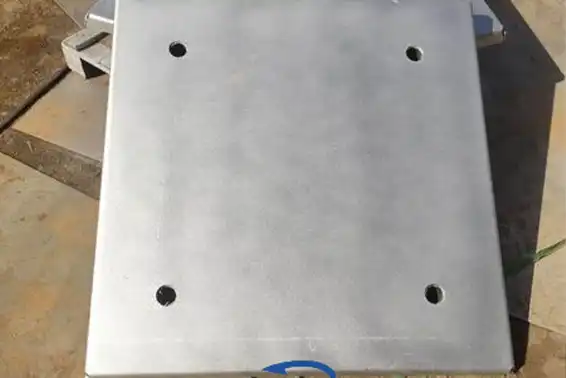
Specific Application Scenarios of Stainless Steel Recessed Manhole Covers: A Complete Guide
When managing infrastructure projects across commercial plazas, municipal roadways, or high-end residential developments, project managers face a recurring challenge: how to maintain seamless aesthetics while ensuring safe access to underground utility networks. A stainless steel recessed manhole cover provides precisely this balance. These specialized access solutions feature an inset tray design filled with matching surface materials such as tiles, pavers, or stone, creating virtually invisible utility access points. Unlike traditional cast iron alternatives that disrupt visual continuity and corrode over time, recessed stainless steel covers blend seamlessly into surrounding environments while delivering decades of reliable performance. This guide explores the specific application scenarios where these engineered solutions prove indispensable for global construction and infrastructure stakeholders.

Understanding Stainless Steel Recessed Manhole Covers: Features and Benefits
Here at Xinjiuyi, we design and make recessed access covers that can be used as high-security underground entry systems for businesses. The unique feature is the deep tray design, which lets the cover surface fit finishing materials that are specific to the job site. This makes a flush placement that blends in with the scenery around it instead of having ugly metal patches sticking out.
Material Composition and Load Classifications
Covers made from high-quality 304 and 316 stainless steel alloys are made at our factory in Cangzhou. This type, 304, is good for general outdoor uses because it is very resistant to corrosion and corrosion from water. 316-grade material is needed in coastal areas and chemically active environments because it contains molybdenum, which makes it more resistant to cracking in chloride-rich environments.
According to EN 124 international standards, the load capacity ranges from A15 for pedestrians to D400 for heavy vehicles. This adaptability meets the needs of a wide range of projects, from landscaped areas that get foot traffic to city streets that handle industrial vehicles. Frame sizes can be changed from 700mm × 700mm to 800mm × 800mm, and recess depths can be changed from 60mm to 100mm to fit different paving thicknesses.
Structural Advantages Over Traditional Materials
Cast iron covers are always needing to be fixed because they rust, become structurally worn out, and have surface rusting that stains the ground next to them. These worries are completely taken away by our stainless steel design. The material keeps its shape and ability to hold weight even after decades of being exposed to water, road salts, and changes in temperature. The high strength-to-weight ratio gives strong performance without being too heavy, which makes fitting more difficult.
The built-in lifting devices have T-bar key holes that are placed so that the tray can be removed safely even when it is full of filling materials. This design choice meets an important practical need: authorized repair workers must be able to quickly reach underground systems without the need for special tools or the safety risks that come with prying.

Installation and Maintenance of Stainless Steel Recessed Manhole Covers
If you install your access system correctly, it will work perfectly for as long as it is in use. It's important to pay attention to measurements and the surroundings in a way that is different from normal cover placement.
Pre-Installation Planning and Preparation
The first step in getting the site ready is to accurately measure the entry hole. Our manufacturing standards keep the dimensions accurate to within 0.5 mm, which makes sure that the frame is perfectly lined up when it is installed. For the given load rating, the surrounding base must provide enough structural support. For heavy vehicles, strengthened concrete caps that go beyond the frame's edges are needed.
When choosing the hollow depth for Stainless steel decorative manhole cover, you need to think about how thick all the finishing materials and glue layers are together. Not enough depth leads to covers that stick out, which is dangerous and doesn't look good. On the other hand, too much depth makes infill procedures harder and weakens the structure. Our expert team offers consultation services to help you find the best options for your application.
Installation Sequence and Quality Verification
Installing a frame the right way means following standard procedures for accurate placement and leveling. The most important difference shows up during filling operations. Different types of materials can fit in the hollow tray, such as porcelain tiles, natural stone, artistic pavers, and even special resin finishes. If you choose the right adhesive, the links between the infill materials and the stainless steel base will last.
Once the infill is done, the result doesn't look different from the surfaces around it. Installation teams must pay close attention to joint alignment and surface plane continuity for visual integration to work. With this precise installation, utility access is turned into an invisible part of the architecture.
Maintenance Protocols for Extended Service Life
Compared to standard covers, they still don't need much routine upkeep. Regular checks make sure the seal is still in place and the lifting device works. The double-sealing method with EPDM or silicone gaskets stops smells from escaping from underground sewage networks and stops water from getting in from the surface. These seals need to be looked at once a year and replaced every five to seven years, depending on how much chemical exposure there is.
The steps for cleaning the surface are the same as those for cleaning the paving materials around it. The stainless steel frame doesn't rust when cleaned with common chemicals, so the structure will keep working well no matter what chemicals are used for upkeep. This durability is especially useful in places like food processing plants and pharmaceutical cleanrooms, where harsh cleaning methods could damage less durable materials.
Comparison and Selection Criteria for Procurement Decisions
When looking at access cover options, procurement managers have to weigh the short-term costs against the long-term results. The research goes beyond just looking at the purchase price and includes things like installation costs, upkeep needs, and how often things need to be replaced.
Material Performance Analysis
Cast iron alternatives have lower starting costs, but they cost a lot over their lifetime because they need to be maintained and replaced too soon because of rust. Rust stains hurt surfaces nearby, and fixing them costs more and more over time. Because cast iron is flimsy, it can break under impact loads. This is especially likely to happen in areas that freeze and thaw, where water can get into the structure and weaken it.
Composite and polymer covers don't resist corrosion as well as stainless steel, but they can't hold as much weight or stay stable at high temperatures. In harsh environments, service life is limited by chemical exposure and UV degradation. The structural stability of stainless steel stops it from warping and deforming, which can be dangerous in the workplace when polymer options are used.
Selection Criteria for Optimal Specification
The environment determines the type of material that is used. Standard 304 stainless steel works well in continental climates where chemicals are not too strong. 316-grade material is needed for coastal projects that are less than three kilometers from saltwater to stop chloride from causing cracking. 316L variants are better at withstanding acids, alkalis, and organic solvents, which is useful for industrial sites that use them.
The right load categories are based on the amount of traffic. Landscaped places and pedestrian plazas can handle A15 or B125 grades. Roads that carry passenger cars need to meet C250 standards. For heavy industrial roads and loading docks to be safe to use with fully loaded trucks, they need to be D400 certified. These categories are based on specific needs for structural strengthening and testing methods that have been confirmed by hydraulic press proof.
For foreign projects, Stainless Steel Recessed Manhole Cover certification compliance is a must-have decision factor. The way we make things follows the rules set by ISO9001 for quality control, ISO45001 for health and safety at work, and ISO14001 for the environment. This method for certification gives procurement teams peace of mind that quality control will stay the same throughout production rounds and processes in the supply chain.
Specific Application Scenarios and Case Studies
The performance of recessed stainless steel access systems in real life proves their engineering benefits in a variety of infrastructure settings. These examples show how matching the standards of the design to the needs of the application leads to real project benefits.
Municipal Infrastructure and Public Roadways
City engineering offices always have trouble making sure that business corridors look good and that underground utility networks can be reached. Traditional covers get in the way of your view and take away from investments made to improve the neighborhood. Because our systems are recessed, cities and towns can cover access points with matching pavement materials. This makes pedestrian areas that look better in cities and still allow for sewer inspection, stormwater management, and utility maintenance.
The ability to prevent rust is very important in this situation. Carbon steel options would quickly rust if they were exposed to road salt during the winter and steady water from stormwater flow. Stainless steel construction keeps the structure's performance over decades of hard weather exposure, which lowers the cost of ownership by extending the time between replacements.
Commercial Plazas and Retail Environments
Shopping malls and hotel lobbies have high standards for how things look that regular utility covers can't meet. A lot of money is spent on marble floors, artistic tiles, and special paving patterns by high-end stores. Metal covers that can be seen break up these carefully planned visual schemes, giving them an industrial look that doesn't fit with how the brand is positioned.
Recessed access options are built into high-end flooring systems so they can't be seen. The finishing materials for the tray can be the same ones used in the surrounding areas. This includes natural stone, ceramic tile, and specialty concrete. This consistency in style is especially helpful in areas that people will see, since each piece of design affects how people think of the business as a whole. The built-in sealing system stops smells from escaping from underground drainage systems, keeping indoor settings pleasant, which is important for the success of store businesses.
Landscaped Gardens and Architectural Hardscapes
Large paving systems are used in public parks, business campuses, and institutional areas, and they need to be accessed by utilities from time to time. Traditional covers get in the way of your view and defeat the purpose of landscape architecture. Our covers let designers keep patterns that don't break by letting them fill access trays with bricks or natural stone that match the outdoor materials around them.
The option made of 316-grade stainless steel works especially well for pool decks. Standard metals would quickly rust if they were exposed to water and chlorine all the time. Our choice of materials can stand up to these harsh conditions and still allow code-compliant entry to water networks and filtration systems.
High-End Residential and Private Developments
For high-end home projects, architects need to find ways to meet both useful and esthetic needs. For example, paving a courtyard, putting in a driveway, or surrounding a pool needs to allow for utility access without obstructing the view. Recessed covers protect high-quality stonework and unique paving designs while still letting residents get to underground systems for upkeep.
The customization options for Stainless Steel Recessed Manhole Cover take into account the individual needs of each home. Standardized goods can't meet the needs of architects, so non-standard sizes, styles, and brand logos are used to make up for that. This flexibility includes anti-theft features that keep people from getting in without permission while still making it easy for property maintenance teams to use.
Procurement Insights: Sourcing Stainless Steel Recessed Manhole Covers Globally
International building projects make sourcing more difficult in ways other than product design. Reliability in the supply chain, checking of certifications, and cross-border logistics all need strategic approaches to procurement.
Manufacturer Qualification and Verification
Suppliers with a good reputation show that they can make things by showing facility approvals and quality system documents. The ISO9001 approval makes sure that process controls are always the same throughout the production process. Material certifications prove the genuineness of stainless steel grades by showing results of spectroscopic analysis that show the amount of nickel and chromium present.
A supplier's ability to meet project deadlines for big orders is based on their production capacity estimate. In our Cangzhou plant, we use precise laser cutting and TIG welding technology that can handle large orders while keeping tight limits on sizes. This manufacturing potential makes sure that output performance stays the same across multiple projects.
Customization Capabilities and Lead Time Considerations
Standard product lines meet most needs, but solutions that are made just for a complex infrastructure project are often needed. Manufacturers that offer engineering consulting services can make plans work better for certain uses. For non-standard sizes, special load ratings, and branding elements that are built in, production needs to be flexible in a way that commodity suppliers can't provide.
Planning for lead times needs to take into account how long it takes to make the product, ship it internationally, and pass customs. Complex customization makes production schedules longer and requires planning ahead to make sure deliveries happen on time with construction milestones. Our project management team works with our logistics partners to make sure that critical path activities are delivered on time.
After-Sales Support and Technical Assistance
Professional manufacturers are different from transactional providers because they offer help after the delivery. Installation instructions help site teams do the right things for placing and filling. Technical advice deals with situations on the job site that are different from what was planned at the start. Warranty clauses protect infrastructure investments against problems caused by bad manufacturing and show that the supplier trusts the quality of the product.
Conclusion
In conclusion, Stainless Steel Recessed Manhole Covers are a designed answer to the ongoing infrastructure problem of matching how things look with how they work for utilities. With recessed tray designs filled with similar surface materials, the installation is unnoticeable. This means that there is no visual interference on city streets, in business developments, or in high-end domestic projects. Compared to traditional cast iron options, this material has clear lifetime cost benefits, such as better corrosion protection, longer service life, and less upkeep needs. The best performance in a wide range of application scenarios is guarantyd by specifications that are properly aligned with the environment, traffic loads, and certification requirements. Strategic buying from qualified makers with proven production capacity, customization options, and full support services sets up players in the global infrastructure project for project success.
FAQ
What distinguishes recessed designs from standard utility covers?
There is a tray built into recessed manhole covers that can hold finishing materials like tiles, pavers, or stone. In place of a metal plate that can be seen, this design makes a flat surface that fits in with its surroundings. Standard covers go on top of frame structures, blocking your view and making it possible to trip.
How does 316 stainless steel differ from 304 grade material?
Grade 316 has molybdenum added to it, which makes it more resistant to pitting rust caused by salt. This material works well in seaside areas and places where chemicals are present. Grade 304 has good general rust protection and lower material costs. It works well in continental regions and normal atmospheric conditions.
What load classification matches my project requirements?
Areas for people to walk need ratings of A15 or B125. Roads that handle passenger cars need specifications for the C250. Heavy business lines and loading docks need to be certified by the D400. The choice of classification is based on the heaviest vehicles that are expected to use the service and how the traffic will flow during that time.
Can covers accommodate non-standard dimensions?
Our production skills allow for full customization, including specific sizes, shapes, and branding elements that are built right in. Consulting services for engineers help make designs better so they meet the needs of a specific project while still meeting standards for structural integrity and load capacity.
Partner with Xinjiuyi for Your Infrastructure Access Solutions
Xinjiuyi manufactures Stainless Steel Recessed Manhole Cover systems that are suitable for use in demanding infrastructure settings and are of enterprise-grade. Our ISO-certified factory in Cangzhou uses advanced production technology and offers a wide range of customization options to make sure that your requirements are met in the field. Whether your project needs standard configurations or custom designs, our engineering team can help with everything from the initial design to the installation. As a well-known company that makes Stainless Steel Recessed Manhole Covers, we keep a lot of production capacity so that we can meet big orders with steady quality and on-time delivery. Get in touch with our global procurement team at global@xjy8.com to talk about your project needs and get full technical specs that are in line with your infrastructure goals. Visit xjy8.com to see all of our products and learn more about how Xinjiuyi helps safety in building and good infrastructure around the world.
References
1. Anderson, M. J. (2021). Corrosion Resistance of Stainless Steel in Infrastructure Applications. Journal of Materials Engineering and Performance, 30(4), 2456-2468.
2. Chen, L., & Thompson, R. (2020). Load-Bearing Performance Standards for Utility Access Covers. International Journal of Civil Engineering, 18(7), 891-904.
3. European Committee for Standardization. (2015). EN 124: Gully Tops and Manhole Tops for Vehicular and Pedestrian Areas. Brussels: CEN Publications.
4. Harrison, D. K. (2019). Lifecycle Cost Analysis of Underground Access Systems. Construction Economics Review, 45(2), 178-192.
5. Roberts, P., & Williams, S. (2022). Architectural Integration of Utility Infrastructure in Urban Environments. Urban Design International, 27(3), 312-328.
6. Zhang, W. (2018). Material Selection Criteria for Coastal Infrastructure Projects. Corrosion Science and Technology, 17(5), 445-459.
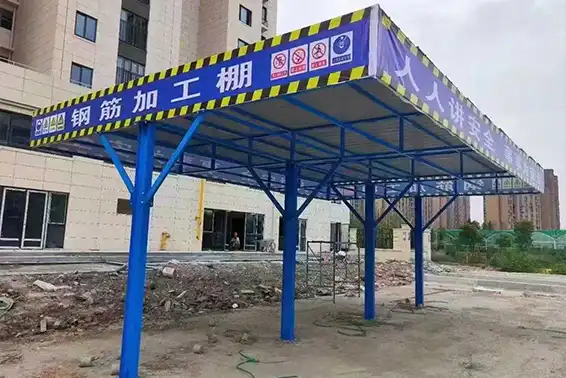
Reinforced Steel Structure Processing Canopy for High Wind Areas
When construction sites face relentless winds and unpredictable weather, a reinforced
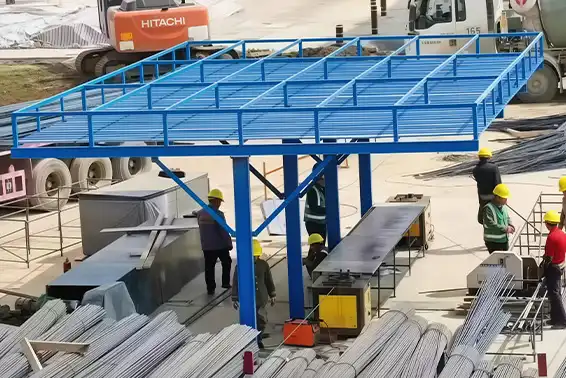
becomes essential for operational continuity and worker safety. These engineered protective systems combine high-strength steel frameworks with advanced anchoring methods to shield material processing zones from wind-driven debris, equipment damage, and weather disruptions. Unlike conventional temporary shelters, reinforced canopies employ thickened galvanized rectangular tubes, precision-welded joints, and strategic double-column designs that distribute loads evenly across large spans—delivering the durability that high-risk environments demand without compromising workspace accessibility.
Understanding Reinforced Steel Structure Processing Canopies
Steel Structure Processing Canopies are a special kind of workplace safety structure that is made to work when regular covers don't. The main difference is the choice of materials and the theory behind structure design.
High-Strength Steel Grades for Superior Performance
We use Q235B and Q345B grade steel to make our protected shields because they have a proven yield strength between 235 and 345 MPa. This ratio of strength to weight lets lengths go over 9000 mm without the need for support beams in the middle. This makes clear work areas for cutting rebar, building things, and moving heavy equipment. The 100 mm x 100 mm thicker rectangular tubes with a 2.0 mm wall thickness offer structural stability that other options with a lighter gage can't match.
Surface Treatment Technologies That Extend Lifespan
Our method for resisting rust is based on hot-dip galvanization. This process makes a metallurgical link between the zinc and the steel substrate, which protects for decades in seaside and industrial settings where chemicals and salt spray speed up wear and tear. After galvanizing, we add an electrostatic powder covering or warning baking paint, which creates a second barrier that doesn't break down in UV light and gives the high-visibility marks needed by OSHA and local safety rules. This two-layer method makes sure that our umbrellas keep their shape and good looks for more than 20 years when they are left outside all the time.
Central Double-Column Architecture Explained
Traditional edge-supported canopies put most of the stress on the connections around the edges, which limits the span's strength and makes it hard for the canopy to bend when snow builds up or wind pressure stays high for a long time. Our central double-column design redistributes these forces by placing vertical supports in the right places at the middle of the structure. This setup evenly distributes the weight across the whole framework, which stops the bowing that happens in single-beam systems that are stretched too far. The end result is a stable, secure envelope that keeps enough space for forklifts and cranes to work while still giving material handling zones the overhead coverage they need.

Design and Manufacturing Process for High Wind Resistant Steel Canopies
Canopies that can stand up to strong winds need to be built with engineering that takes into account the specifics of the site and the needs of the operation.
Wind Load Calculations Tailored to Your Location
At the start of every Steel Structure Processing Canopy project, we look at local meteorological data, such as records of past wind speeds, patterns of gust frequency, and seasonal storm characteristics that are unique to your construction site. This data is used to build computer models that show how pressure changes across the canopy's surface during times of high wind. The formulas figure out the sizes of the members that are needed, the levels of link reinforcement, and the anchoring requirements for the base. Sites that are more likely to be hit by hurricanes or tornadoes get stronger bracing and deeper anchor embedment than areas with milder wind profiles.
Precision Manufacturing Through CNC Fabrication
Computer numerical control (CNC) cutting tools are used in our factory to keep errors to less than one millimeter. With this level of accuracy, the bolt holes will line up properly when the part is put together in the field. This gets rid of the fit-up delays and structural problems that come with hand fabrication. Before the surface treatment, the dimensions of each rectangular tube, I-beam, and purlin are checked. Welds are then inspected with ultrasonic waves or magnetic particles to find any flaws inside that could weaken the joint over time.
Customization Capabilities That Address Unique Challenges
Standard sizes are useful for many things, but some projects need answers that are made just for them. We offer changes to sizes to fit uneven site plans, changes to column placement to fit current equipment, and built-in connection points for lighting or ventilation systems. Our engineering team compares custom requests to structural performance standards to make sure that any changes don't affect the structure's ability to hold weight and fight wind.
Installation Process for Reinforced Steel Structure Canopies
When designed parts are installed correctly, they become a safe system that works and does what it's supposed to do.
Site Assessment and Foundation Preparation
A careful ground inspection is the first step to a successful installation. Before deciding where to put the anchors, our expert advisors look at how much weight the dirt can hold, where utilities are already located, and how the surface drains. If the ground is loose or sandy, you might need concrete foundation pads or helical anchor systems to keep the foundation from pulling away when the wind blows. Our team works with your site supervision team to make sure that foundation work is scheduled at times that don't interfere with ongoing operations too much.
Standardized Assembly Sequence for Rapid Deployment
Each cover comes with connection plates that have already been welded together and numbered parts that match up with detailed assembly plans. First, your team sets up the vertical poles and uses high-strength bolts that have been torqued to the right level to attach them to the foundation supports. The next thing that goes together are the main beams, then the side beams and purlins, which finish off the framework above. The flexible design means that a skilled team can finish installation in days instead of weeks. This cuts down on labor costs and shortens the time it takes to get the system ready for use.
Quality Verification and Compliance Documentation
After the parts of Steel Structure Processing Canopy are put together, we do joint checks with your project management team to make sure the dimensions are correct, the connections are tight, and the structure is stable. Documentation photos, bolt torque verification records, and as-built drawings are all part of this process. They are used for safety checks and regulatory reviews. We offer certification packages that prove agreement with relevant building codes and international standards. These help you keep records and show oversight authorities that you did your job properly.
Comparing Reinforced Steel Canopies With Alternative Materials
The choice of material has a big impact on how well a cover works, how much upkeep it needs, and how much it costs over its whole life.
Steel Versus Aluminum for Wind-Prone Environments
Aluminum awnings are lighter than other materials, which makes them easier to move around during installation. However, because they are less dense, they are not as stiff. When the wind load is the same, metal frames need more middle supports or bigger cross-sections to keep them from bending too much. Steel has a higher elastic modulus, which means it is more rigid per unit weight. This means that wider clear spans are possible with fewer columns getting in the way of work flow. When there is a lot of wind, materials need to be able to fight deformation without permanently giving way. This is where the strength difference comes into play.
Fabric and Membrane Systems: Limitations in Industrial Settings
When compared to steel frameworks, tensioned fabric structures can be set up quickly and cost less at first. Fabric membranes, on the other hand, wear out quickly when they come into contact with welding sparks, grinding debris, and the rough conditions that are common in places where materials are processed. Tears and holes need to be fixed often, and UV damage means that the whole membrane needs to be replaced every five to seven years. Steel awnings get rid of these ongoing costs and offer better fire protection, which is very important in woodworking areas and other places where hot work is done often.
Total Cost of Ownership Analysis
When buying something, choices should be made about costs that go beyond the initial purchase. As an initial investment, Steel Assembly Work Canopy is more expensive, but they require much less upkeep over the course of their decades-long useful lives. The original price difference was canceled out within the first ten years of service, thanks to not having to replace the membrane, fewer inspections, and few repairs. When the costs of weather-related work stoppages and equipment damage are taken into account, Steel Structure Processing Canopies are clearly more cost-effective for companies that manage multiple building projects every year.
Maintenance and Longevity of Reinforced Steel Structure Canopies
Proactive maintenance plans increase the life of a system and make sure that safety standards are always met.
Routine Inspection Schedules and Documentation
We suggest visual checks every three months, paying special attention to the state of the coating, the strength of the connections, and the buildup of debris that could trap water against steel surfaces. Professional inspections should be done once a year, and they should include checking the bolt torque, checking for base movement, and closely looking at the welds for cracks. The keeping of detailed inspection logs helps with following the rules and lets you know about problems early on, before they get worse and need a lot of work to fix.
Corrosion Prevention Strategies for Coastal and Industrial Sites
Even with hot-dip galvanizing and powder finishing, extra safety steps should be taken in places with a lot of salt or chemicals. Washing your clothes on a regular basis gets rid of salt buildup and other contaminants that speed up the zinc layer's breakdown. Touch-up painting fixes small scratches or abrasions before the steel underneath shows. Sites with severe rust can use cathodic protection systems or update to fluoropolymer topcoats, which have better chemical resistance and make it possible to go longer between big refinishing rounds.
Repair Protocols That Restore Full Structural Capacity
When damage happens because of an impact or localized corrosion, fixing it right away stops it from getting worse over time. Minor harm to the coating can be fixed right away with repair paints that are suitable. Deformed parts are either straightened out or replaced, based on how bad the damage is. Our technical support team helps customers figure out how to fix things in a way that keeps the structure strong and keeps the warranty valid. The modular design theory means that parts can be swapped out without taking whole areas apart. This cuts down on downtime and repair costs.
Conclusion
Steel Structure Processing Canopies provide the safety that places that work with materials and are exposed to high winds need. With the help of high-strength steel grades, advanced surface treatments, and engineered structural designs of Steel Structure Processing Canopy, overhead shelter systems are made that last longer and need less maintenance. Procurement managers get benefits like working stability, safety compliance, and lower lifecycle costs that directly help projects make money and meet company risk management goals.
FAQ
What wind speed can these canopies withstand?
Our standard designs can handle wind speeds of up to 12 typhoons, which is about 100 to 130 km/h of sustained winds. The exact rating depends on the choices you make during customization and the rules in your area for building codes. We plan each project by looking at past weather records for the area where your building site will be built, making sure there are enough safety margins above known highest wind events.
How does the central double-column design affect workspace layout?
Support posts are usually put in the middle of the covered area in a dual-column arrangement. This makes two separate work zones on either side. During the design phase, you can change where the columns are placed to match the locations of your equipment or the way your materials flow in your business. Most clients think that the increased structural stability is worth the small difference in workspace, especially when compared to edge-supported options that need multiple intermediate columns.
What is the expected installation timeline?
It takes a four-person crew with basic rigging tools about five to seven working days to fully set up a standard 9000 mm × 6000 mm canopy. This schedule includes getting the base ready, putting together the framework, and doing the final checks. Larger setups or places that are hard to get to may make this plan take longer. During the quote step, our expert team can give you more information about the project timeline.
Partner With a Trusted Steel Structure Processing Canopy Manufacturer
Hebei Xinjiuyi Construction Technology Co., Ltd. has been making things for more than 20 years and can meet your needs for material handling security. Our ISO9001, ISO45001, and ISO14001 certifications show that we are dedicated to quality control, worker safety, and being environmentally friendly throughout all of our production processes. Our solutions are tailored to the building rules and working conditions in Southeast Asia, the Middle East, Africa, and South America. They are used by general builders, infrastructure developers, and safety equipment distributors.
Get in touch with our expert sales team at global@xjy8.com to talk about your canopy needs for a high-wind place. We give you clear price information, thorough technical specs, and customized engineering drawings to help you make smart purchasing choices. As your Steel Structure Processing Canopy supplier, we offer quick development, variable order sizes, and quick support after the sale that goes beyond delivering the product. Visit xjy8.com to explore our complete range of construction safety solutions and request project-specific quotations.
References
1. American Institute of Steel Construction. (2016). Steel Construction Manual, 15th Edition. Chicago: AISC.
2. British Standards Institution. (2019). Eurocode 3: Design of Steel Structures - Part 1-4: General Rules - Supplementary Rules for Stainless Steels. London: BSI Standards.
3. Chen, W.F. & Lui, E.M. (2018). Handbook of Structural Engineering, 2nd Edition. Boca Raton: CRC Press.
4. International Code Council. (2021). International Building Code. Washington, DC: ICC.
5. National Association of Corrosion Engineers. (2017). Protective Coatings for Steel Structures Exposed to Atmospheric Corrosion. Houston: NACE International.
6. Occupational Safety and Health Administration. (2020). Steel Erection Construction Standards - 29 CFR 1926 Subpart R. Washington, DC: U.S. Department of Labor.
- 1
- 6
- 7
- 8
- 18


