BLOG List
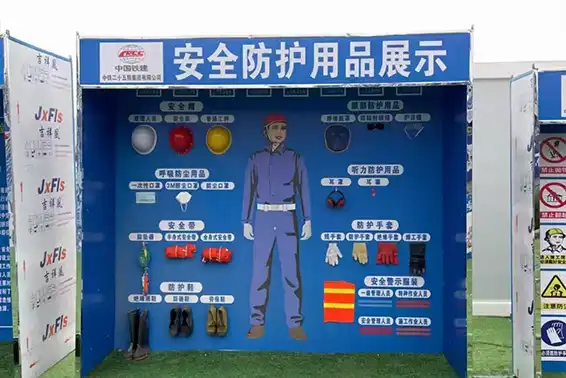
What is the purpose of a safety experience zone?
A safety experience zone is an immersive, hands-on training facility designed to expose construction workers and site personnel to simulated workplace hazards in a fully controlled environment. Rather than relying on passive instruction, it places participants inside realistic accident scenarios — falls from height, electrical contact, falling object strikes — so their bodies and minds build genuine hazard recognition. The core purpose is threefold: accident simulation experience, safety knowledge education, and emergency response capability training. When deployed correctly, this type of facility measurably reduces on-site violations and strengthens a workforce's instinctive reaction to danger before it becomes a fatality.


Understanding Safety Experience Zones: Definition and Core Benefits
Traditional safety briefings make it hard to remember what was said. The Journal of Safety Research regularly reports that workers remember less than 10% of what they learned in a lesson within one week. Immersive settings for physical training change the whole picture.
What Separates an SEZ from a Classroom
A hazard simulation facility uses sound, sight, and touch all at the same time. When a worker holds a guardrail on a moving platform, that threat is stored in their nervous system in a way that a slide deck can't. The idea behind experiential learning is that the body remembers things that the mind has forgotten.
Core Benefits That Drive Procurement Decisions
When companies put in dedicated construction safety experience zones, they always report three measurable results:
- Reduced incident rates: A 2019 study by the British Safety Council found that within twelve months of starting to use experiential hazard training, companies cut the number of accidents they had to report by up to 28%. When workers actually go through a near-miss simulation, they are more likely to follow PPE rules and fall-arrest procedures on real-life sites.
- Regulatory compliance confidence: Induction training zones help project teams pass safety checks by third parties, government visits, and HSE reviews from other countries. Having a structured, written training environment shows regulators and owners that the organization is competent.
- Reusable investment across multiple projects: Unlike training materials that are used only once, a well-designed physical training zone can be taken apart, moved, and put back together again and again across different projects. This means that the capital cost is spread out over years of use instead of just one project cycle.
These benefits explain why safety managers, project leaders, and HSE procurement officers in the energy, infrastructure, and building sectors are seeing these facilities more and more as necessary rather than nice to have.

How Safety Experience Zones Improve Workplace Safety: A Systematic Approach
There is a lot of research on how interactive training changes behavior. Kolb's Experiential Learning Cycle, which includes concrete experience, reflective observation, abstract conceptualization, and active experimentation, is exactly what a well-designed hazard simulation zone gives you. Workers don't just see danger; they think about it, talk about it, and change how they act on the live site based on what they learned.
Embedding Safety Behaviors Through Sensory Engagement
The neurological stress response is the same in physical simulation modules that cover things like electrical arcing, falling objects, and scaffold collapse, but they are much less dangerous. This managed stress reaction speeds up the learning of behaviors. When these safety experience zones are used on large construction projects, safety managers often find that workers are more likely to report hazards after getting training in a dedicated simulation environment.
Alignment with Global Occupational Health Standards
Modern safety training methods need to be in line with ISO 45001 and OSHA rules, which both stress worker input and checking skills. A training area that was specifically designed for that purpose provides a process for introducing new workers that can be checked and repeated. This process meets the documentation needs of both foreign project owners and local labor authorities at the same time.
What to Consider When Procuring or Designing a Safety Experience Zone?
When buying building safety experience zone infrastructure, you need to think about more factors than when buying regular tools. This investment affects the layout of the site, following the rules, making long-term budget plans, and making sure the supplier is reliable all at once.
Key Design and Specification Factors
Safety managers and procurement officers should look at the following dimensions of any suggested building before sending out an inquiry:
- Module coverage and scenario realism: A reliable facility should cover the main types of construction hazards, such as falls from heights, impacts from falling objects, electrical contact, being aware of confined spaces, and responding to fires. Modules that aren't covered well make training less useful and might not meet the standards of an introduction audit.
- Structural integrity and material specification: Frames made of thickened galvanized rectangular tubes welded with angle steel provide the load-bearing stability needed for high-frequency training throughput. Standardized guardrails and anti-slip steel plate platforms are necessary for safety. The training zone itself must never become dangerous.
- Modularity and reusability rate: For companies that are in charge of multiple project sites at the same time, a facility that can be quickly taken apart and put back together again with a reusability rate of over 80% turns a single capital purchase into a fleet-level asset.
Matching these specifications against your site footprint and induction throughput volume is the practical starting point for any layout design conversation.
Supplier Qualification Criteria
Selecting a safety experience zone supplier requires scrutiny beyond price. Verified certifications like ISO 9001, ISO 45001, and ISO 14001 show that environmental responsibility, quality management, and health and safety at work are institutionalized rather than claimed. Ask for structural test records from a third party, look over finished project case studies, and make sure the provider can deliver and install at multiple project sites.
Comparison of Safety Experience Zones with Other Safety Training Methods
In a layered safety program, toolbox talks, e-learning modules, and tabletop emergency drills all do different things. None of them, though, can fully simulate the effects on the body of being exposed to a physical danger. When figuring out training ROI, this distinction is the most important one.
Digital VR-based safety scenarios are useful because they let you see everything and work well for big groups of people. Industry research, including findings from the National Safety Council, suggests that hybrid models — pairing VR visual scenarios with physical kinesthetic simulation rigs — produce the strongest retention outcomes. The physical part causes what experts call "kinesthetic shock," which is a recording at the body level that digital material alone cannot trigger.
From a cost-benefit perspective, a well-maintained physical safety experience zone saves money because it cuts down on incident-related downtime, lowers the risk of workers' compensation, and boosts performance during regulatory inspections. Most of the time, these operational savings cover the initial capital outlay within two to three project cycles, making the investment defensible in formal procurement justifications.
Implementing and Maximizing the Value of Your Safety Experience Zone
Deployment success depends on planning, customization, and integration with existing site safety protocols — not simply on equipment quality alone.
Step-by-Step Installation and Onboarding
Effective implementation begins with a site survey and layout consultation before production commences. Matching the flexible layout of the safety experience zone to your available footprint — whether that's a compact 50-square-meter induction bay or a multi-zone 300-square-meter training campus — determines how many workers cycle through daily and how smoothly observation visits proceed.
Post-installation, trainer onboarding is equally critical. Instructors must understand each simulation module's operation, safety reset procedures, and the behavioral objectives each scenario targets. A training zone operated without structured facilitation delivers a fraction of its potential impact.
Measuring Training Effectiveness with KPIs
Tracking meaningful key performance indicators validates the investment and guides continuous improvement. Monitor pre- and post-training hazard identification scores, on-site violation frequency, and near-miss reporting rates across cohorts trained within the zone. Over time, this data builds an evidence base that satisfies both internal safety governance and external regulatory audits.
Conclusion
In conclusion, a safety experience zone addresses a gap that no briefing document or lecture series can close: the gap between knowing a hazard exists and genuinely understanding its consequences. By combining structural engineering discipline, scenario realism, and modular flexibility, these facilities transform worker induction from a compliance checkbox into a behavioral intervention with measurable site safety outcomes. Organizations that invest in well-designed, durable, and customizable immersive training infrastructure protect their workforce, satisfy regulatory requirements, and generate long-term cost efficiencies across multiple project deployments.
FAQ
What is the minimum space required for a functional safety training zone?
A standard multi-module facility typically requires between 150 and 300 square meters. Compact configurations designed for constrained site footprints can function within approximately 50 square meters, though module coverage will be more limited.
How often should structural components be inspected?
We recommend a professional structural audit and safety calibration every six to twelve months, calibrated to trainee throughput volume. High-frequency use environments warrant more frequent interval checks.
Can the facility be relocated between project sites?
Yes. Modular assembly design supports full disassembly and relocation with minimal downtime. A reusability rate exceeding 80% ensures the facility retains structural and functional integrity across successive site deployments.
What hazard categories should a comprehensive facility cover?
A robust induction training zone should address height-related falls, falling object impacts, electrical contact hazards, fire response scenarios, and mechanical equipment risks — aligning with the principal categories recognized under ISO 45001 and OSHA standards.
What certifications should a supplier hold?
Prioritize suppliers verified under ISO 9001 (quality management), ISO 45001 (occupational health and safety), and ISO 14001 (environmental management). Third-party structural test documentation and completed project case studies provide additional procurement confidence.
Build Safer Sites with Xinjiuyi — Request Your Custom Layout Today
Xinjiuyi designs and builds immersive construction safety training facilities that arrive site-ready, built to last, and designed around your specific footprint and induction requirements. As a certified safety experience zone manufacturer, we back every installation with ISO 9001, ISO 45001, and ISO 14001 credentials, over 80% cross-project reusability, and full technical support from layout design through trainer onboarding. Contact our team directly at global@xjy8.com or visit xjy8.com to request a customized configuration proposal.
References
1. British Safety Council. (2019). Health, Safety and Wellbeing: The Business Case for Investment.
2. National Safety Council. (2021). Injury Facts: Work Safety Annual Report.
3. Kolb, D. A. (1984). Experiential Learning: Experience as the Source of Learning and Development. Prentice-Hall.
4. International Organization for Standardization. (2018). ISO 45001: Occupational Health and Safety Management Systems.
5. Journal of Safety Research, Volume 71. (2019). Effectiveness of Experiential Safety Training in Reducing Human Error Probability.
6. Occupational Safety and Health Administration (OSHA). (2020). Construction Industry Safety Standards: Training and Competency Requirements.
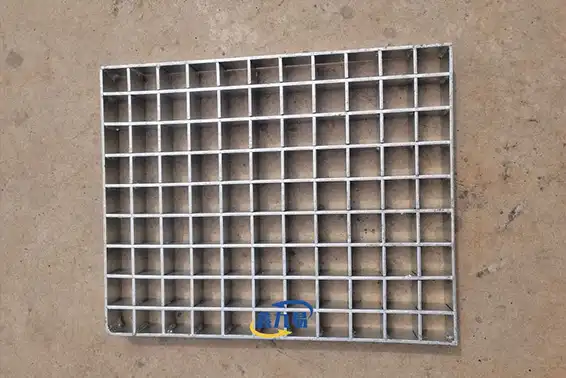
What Makes Stainless Steel Grating Essential for Modern Construction
Stainless steel bar grating has become one of the most relied-upon structural components in modern construction—and for good reason. At its core, this product separates liquids like rainwater, sewage, and wastewater from solid debris such as leaves, stones, and garbage, preventing costly blockages in drainage networks and pipe systems. Fabricated from alloy grades including 304 and 316, it delivers corrosion resistance, structural integrity, and a service life of 15 to 30 years. Whether you are managing a municipal drainage project or outfitting a food-grade facility, this material solves real problems that cheaper alternatives simply cannot.

Understanding Stainless Steel Bar Grating and Its Core Benefits
Not every type of flooring or draining is made to last. Stainless steel bar grating is different because it is made in a way that makes it strong enough to be used in places where failure could have serious effects.
What Makes It Structurally Reliable?
Each unit has a high strength-to-weight ratio because it is made by carefully welding or swaging lengthwise bearing bars with crosswise cross bars. NAAMM MBG 531 is the standard for metal bar grating in the industry. Units that are properly made must not deflect more than a certain amount under certain load classes. At Xinjiuyi, CNC cutting and welding machines make sure that every panel is the right size and has a strong joint before it leaves the building.
Common Types and Specifications
Xinjiuyi makes grating panels from grades 201, 304, 316, and 430 steel. The plate thickness can be between 2 mm and 8 mm, and the slot spacing can be between 20 mm and 100 mm. The sizes of the panels can be changed to match project drawings. There are mill finish and polished surface choices, and for food processing and hospital settings, hygiene-optimized polished surfaces are available.
These requirements really give buying engineers a lot of freedom. A city contractor ordering trench covers for a road drainage project and a cleanroom facility manager looking for floor grates for a drug plant can both use the same product line and have it customized to their exact needs.

Comparing Stainless Steel Bar Grating to Other Materials
The choice of materials made during the purchase stage has a direct effect on the cost over time, the frequency of upkeep, and compliance with regulations. Here's how stainless steel stacks up against the most popular choices.
Stainless Steel vs. Galvanized Steel, Aluminum, and Fiberglass
Galvanized steel has a low initial cost, but its zinc covering wears off in places with a lot of moisture or chemicals that react with metal, so it usually needs to be replaced every 5 to 8 years. Aluminum is easy to work with because it is light, but it doesn't have the tensile strength needed for load-bearing pit covers in areas where cars drive. Fiberglass grating is good at resisting chemicals, but it breaks easily when exposed to UV light over time and can't hold as much weight as steel.
Stainless steel bar grating solves all three issues. Its chromium oxide passive layer fixes itself when it gets scratched, so it doesn't need to be painted or coated again to keep its corrosion resistance. A properly specified 304-grade panel in a pedestrian drainage channel should last more than 20 years with only regular cleaning. With its 2 to 3 percent molybdenum content, 316-grade alloy is better at resisting pitting than any coated option in chloride-rich marine or industrial settings.
When looking at the total cost of ownership over the course of a 15-year project, stainless steel always does better than galvanized and painted options because it requires less maintenance and replacements.
Procurement Guide: How to Choose and Source Stainless Steel Bar Grating?
It's just as important to find the right provider as it is to select the right product. When purchasing managers look at suppliers of stainless steel bar grating, they should pay attention to a few real things.
Before agreeing to an order, here are the most important things you should check:
- Material traceability: A reliable manufacturer will give you mill certificates and Positive Material Identification (PMI) test results that prove the alloy composition. This lets you tell the difference between real 304 and lower-grade 201, which has been known to happen when you order a lot of it.
- Dimensional accuracy: Ask for records that prove the panel's length, width, slot spacing, and flatness tolerances. This is because installing panels that don't meet specifications costs money and cuts into project margins.
- Load-testing records: Make sure that the sample panels have been deflected tested against NAAMM load tables or other standards that are similar. This keeps structures from falling apart in areas where vehicles or heavy tools are allowed to move.
- Delivery capability: For phased infrastructure projects, a supplier's ability to schedule batch deliveries within 15 to 30 days of each shipment keeps project timelines from getting pushed back.
- Export documentation: People who are looking for goods to ship overseas for projects or to combine containers should make sure that the seller gives them certificates of origin, packing lists with weight and size information, and ocean freight-safe packaging that doesn't rust.
These checks greatly lower the risk of buying. Xinjiuyi, which is approved by ISO 9001, ISO 45001, and ISO 14001, helps buyers at every step, from reviewing the first drawings to making sure the final delivery meets all the agreed-upon requirements.
Technical Insights: Manufacturing, Maintenance, and Performance Optimization
How Corrosion Resistance Is Achieved
Stainless steel has a passive way of protecting itself. Chromium reacts with oxygen to make a thin, stable oxide layer that keeps growing back. This is why you don't have to paint or galvanize stainless steel bar grating. For installations in food processing or pharmaceutical plants, electropolishing lowers the surface roughness (Ra value) even more, getting rid of the tiny cracks where bacteria can grow.
Maintenance Best Practices
Routine upkeep is meant to be very low-key. Drainage ditches can get rid of top debris by flushing them with water every so often. To keep up with cleanliness checks in areas that need to be very clean, alkaline cleaning products that work on stainless steel surfaces are used. In highly active settings, it is best to look at the weld joints once a year to find any early signs of surface pitting.
Serration and Slip Resistance
Serrated bearing bar surfaces make it much easier to walk on platforms, walkways, and ramps where there are liquids, oils, or grease. This is not just an upgrade to the specs; it is a useful safety measure. Serrated grating should be the standard for any project where workers will be walking on wet surfaces.
Why Stainless Steel Bar Grating Is the Rational Choice for Sustainable Construction?
Sustainability in building procurement is more than just choosing the right materials. It also includes things like lifecycle effect, recycling, and using fewer resources over time. All three tests show that stainless steel is good. The International Stainless Steel Forum (ISSF) says that more than 60% of new stainless steel is made from recycled materials around the world. It can be recycled completely when its useful life is over. Because it lasts a long time, it needs to be replaced less often, which saves energy and cuts down on waste during a 20- to 30-year project.
Stainless steel drainage grating has been used in infrastructure projects around the world, especially in Southeast Asia, the Middle East, and Europe, where chemicals and high humidity make coated steel impractical. Export buyers who combine orders of different specifications into full containers can use Xinjiuyi's multi-grade, multi-dimension production freedom to get what they need without having to go to multiple plants. This makes managing the supply chain easier.
Conclusion
Modern building requires materials that don't let rusting happen, can hold a lot of weight, are safe for cleanliness, and are cost-effective in the long run. All of these needs can be met by stainless steel bar grating, which has performance that has been tested and is backed by international standards. The longer a project takes, the more reasons there are to choose stainless steel over other materials. This is true for everything from cleanroom floors and coastal platforms to urban drainage infrastructure. Xinjiuyi's production skills, ability to track materials, and customization services are all tailored to meet the needs of procurement workers who can't afford to have their specifications not met.
FAQ
When should I choose 316 over 304 grade?
Choose 316 if the installation site will be exposed to chloride for a long time, like on the coast, on marine platforms, in desalination plants, or in food processing areas where salty cleaning agents are common. The molybdenum in 316 stops pitting corrosion, which 304 can't handle when it's immersed in chloride or salt spray for a long time.
How long does stainless steel grating last in industrial conditions?
Service life is between 15 and 30 years if the right grade is chosen and basic maintenance is done. Xinjiuyi gives buyers material certifications and load-test records so that they can back up claims about how long things will last during project audits.
Can grating panels be customized to non-standard dimensions?
Yes, Xinjiuyi can make panels in any length, width, height, slot spacing, or thickness that is specified in the project plans that are sent to them. This includes uniform-gap designs that are better for cleanliness in food-grade and medicinal settings.
Is serrated grating necessary for all applications?
Serration is especially helpful for areas where people walk on wet, oily, or greasy surfaces. If you only need to drain water from areas where cars drive on them, smooth bearing bars with the right load rating thickness will do.
What documentation should I request before placing a bulk order?
For orders going overseas, you should ask for mill certificates that confirm the alloy grade, dimensional inspection reports, load-deflection test records, and, for export orders, certificates of origin and packing specs that confirm the anti-corrosion treatment for ocean freight.
Partner With Xinjiuyi for Reliable Stainless Steel Bar Grating Supply
Certified and customizable stainless steel bar grating made by Xinjiuyi is available for export, municipal, and industrial projects. As a reliable company making stainless steel bar grating in Cangzhou, Hebei, we offer full export paperwork, the ability to track materials, and variable batch delivery. Give our team your project's plans or drawings, and we'll set up the best solution for your load class, environment, and schedule. To get a quote, email us at global@xjy8.com or go to xjy8.com.
References
1. National Association of Architectural Metal Manufacturers (NAAMM). Metal Bar Grating Manual MBG 531. 2015.
2. ASTM International. ASTM A666: Standard Specification for Annealed or Cold-Worked Austenitic Stainless Steel Sheet, Strip, Plate, and Flat Bar. 2015.
3. International Stainless Steel Forum (ISSF). Stainless Steel in Figures. 2023.
4. Euro Inox. Maintenance of Stainless Steel Surfaces in Construction. 2012.
5. Baddoo, N. R. Stainless Steel in Construction: A Review of Research, Applications, Challenges and Opportunities. Journal of Constructional Steel Research, 2008.
6. Outokumpu Stainless. Corrosion Handbook: Stainless Steel. 2015.
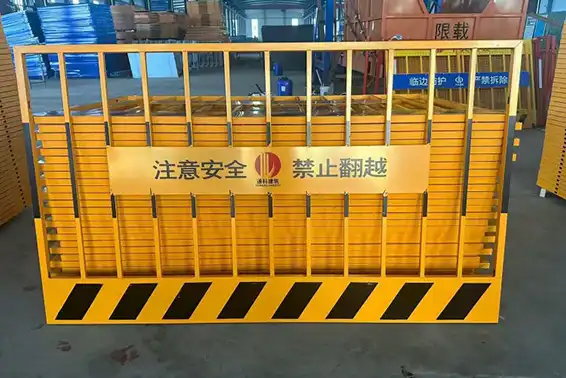
Excavation Guardrail System vs. Traditional Safety Barriers: Which Wins?
When looking at investments in site safety, the excavation guardrail system always does better than standard safety measures in almost all important ways. Compared to older options like wooden barriers, trench boxes or makeshift fences, modern modular guardrail systems offer better fall protection, faster installation, regulatory compliance and lower long-term costs. Their standard design keeps setup mistakes to a minimum, and their strong construction means they will last through a variety of excavation projects. Even though traditional fences have been used for a long time, they don't always meet the latest OSHA and ISO safety standards. This leaves workers open to accidents at work and fines from the government.
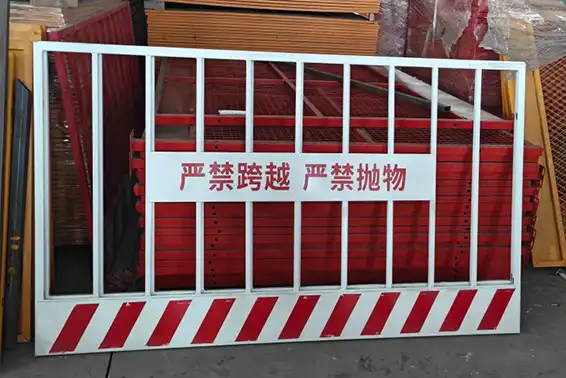
Understanding Excavation Guardrail Systems and Traditional Safety Barriers
What Defines an Excavation Guardrail System
An excavation guardrail system is a special kind of movable frame that is made to keep people from falling and mark the edges of open ditches, foundation pits, and other areas that are being dug up. Unlike regular fencing, these systems meet strict safety standards like OSHA 1926.502 and BS EN 13374. They have built-in toe-boards, mid-rails, and top-rails that are made to handle horizontal loads. Our guardrails at Xinjiuyi are made from welded national standard square rectangular tubes with laser-cut edges that stay flat and free of burrs. Customisable sizes—usually 2000 mm wide and 1200 mm high—allow them to be used on the edges of excavations, in safety passages, processing sheds, lift shaft openings and pipe shaft openings. The spacing between the grilles strikes a good balance between being clear and protecting against falls. High-temperature baking paint finishes make sure that the safety glass is weatherproof and easy to see.
Traditional Safety Barriers and Their Limitations
There are many types of traditional safety barriers, such as wooden barricades, chain-link fences, plastic jersey barriers, trench boxes, and shoring systems. In the past few decades, these methods worked well enough, but their flaws are becoming more and more clear. Outdoors, wooden barricades break down quickly, so they need to be replaced often and are a splinter risk. Chain-link fence isn't strong enough to keep people from falling from high places; it often sags or falls apart when pressure is put on it from the side. Even though trench boxes and supports work well to keep things from collapsing, they don't do anything about the risk of falling from heights around the edges of excavations. Assembling makeshift barriers on-site leads to inconsistency, with different load capacities and gaps in compliance that put contractors at risk of both safety incidents and legal problems. These old systems usually need complicated setup, specialised workers, and regular upkeep, which raises the overall cost of ownership and doesn't provide the standard security that modern projects need.
Regulatory Frameworks Governing Excavation Safety
More and more strict safety rules apply to building markets around the world. For example, OSHA in North America, the Health and Safety Executive in Europe, and similar groups around the world have made standards for excavation security that must be followed. When excavations are deeper than five feet, OSHA 1926.651 requires protective systems like guardrails, fences, or barricades at the edges of the excavations. The top rail must be 42 inches high with little room for error, and mid-rails and toe-boards must be used to stop people from falling and move debris. The ISO 45001 standards for health and safety at work put even more emphasis on finding hazards and lowering risks before they happen. To stay out of trouble with these frameworks and avoid getting complaints, which can lead to big fines and project delays, procurement managers and safety officers must know how to use them. Most of the time, traditional barriers don't meet these technical requirements. On the other hand, engineered guardrail systems are designed to go above and beyond legal requirements, providing recorded compliance that meets inspection requirements and protects the company's image.
Comparative Analysis: Excavation Guardrail Systems vs. Traditional Safety Barriers
Safety Effectiveness and Accident Prevention
When choosing a barrier, safety performance is the most important thing to think about. When compared to standard options, modular excavation guardrail systems have fall protection features that are designed to make accidents much less likely. The built-in toe-board, which must be at least 3.5 inches high, holds loose materials and tools so they don't fall into the hole and hit workers below. The mid-rails close off any holes that people could fall through, and the top-rails provide safe handholds and stop horizontal forces. Bureau of Labour Statistics data shows that falls and cave-ins are still the main reasons people die on the job in construction, and lack of edge protection is blamed for many of these accidents. Traditional obstacles, such as caution tape or light fence, only serve to warn visually and don't offer any physical resistance, so they can't stop people from breaking in by accident. Even though trench boxes protect against collapse, they don't protect the edges around the outside, which creates additional fall hazards. Xinjiuyi's guardrail systems do a good job of stopping people from falling and things from falling. They meet the standard acceptance requirements for safe and civilised construction and create a strong safety barrier around foundation pits and other areas nearby.
Installation Efficiency and Ease of Operation
Install time has a direct effect on project plans and labour costs. Excavation guardrails are made in modules and have built-in locking systems that make them easy to set up quickly, even without special tools or knowledge. Standardised parts make assembly constant, which cuts down on mistakes made by people and gets rid of the differences that come with walls that are built on-site. A standard guardrail piece can be put up in minutes, and the base plates can be adjusted to fit uneven ground without weakening the structure. For traditional shoring and trench box systems to work correctly, they need to be placed with heavy equipment and installed by skilled technicians. These steps can take hours or even days. Cutting, nailing, and supporting are needed to make wooden barriers, and the quality depends on how well each worker does their job. When contractors are in charge of multiple excavations at the same time, these inefficiencies get worse. Modern guardrail systems are plug-and-play, which makes handling easier. This means that teams can quickly set up perimeter protection and move parts around as excavation zones move forward, which maximises utilisation rates across project portfolios.
Durability, Maintenance, and Lifecycle Economics
Long-term cost efficiency goes beyond the original cost of the purchase. The guardrails in Xinjiuyi are made of high-tensile steel of the Q235 or Q345 grade and have walls that are at least 2.0 mm thick. This makes them resistant to impact and increases the structure's life. Fully automatic high-temperature baking paint methods make finishes that are resistant to weathering. These finishes can stand up to acidic soil, high humidity, and UV exposure, keeping their look and safety performance even after long periods of use outside. When properly kept, our systems have service lives of more than 20 years, which is very different from standard barriers that break down quickly. Barricades made of wood rot and break apart after a few months, so they need to be replaced. Chain-link fencing rusts and sags, making it less effective at keeping people safe. Traditional rental fleets have ongoing costs and limited availability. On the other hand, owned guardrail systems pay for themselves over many years of use. The minimal maintenance needs are confirmed by regular inspections of the structure, and powder-coated surfaces only need to be cleaned every so often. Because these things last longer, budgeting is easier, there is less downtime, and the return on investment is higher. This is especially true for contractors who run rental fleets or big project pipelines.
Decision-Making Guide for Selecting the Right Excavation Safety Solution
Evaluating Critical Selection Criteria
When defining excavation security, procurement managers and engineers have to look at a number of factors. Regulatory compliance is very important—systems must meet or go beyond OSHA, EN, and ISO standards that apply to the project. Things that affect durability are the type of material used, how well it resists corrosion, and how well it has worked in similar environments in the past. Transport costs and handling needs are affected by how heavy something is and how portable it is, especially for remote or multi-site operations. Modular compatibility makes sure that parts work together without any problems, which keeps mixed-source assemblies from having compatibility problems. High-chroma safety yellow or orange finishes and other features that make things more visible help plant operators and site staff stay alert 24 hours a day, seven days a week. Customisation options let makers make products that fit the specifics of a project by giving custom sizes, mounting arrangements, and accessory choices. Stable suppliers and support services, such as expert help, fast shipping, and warranty coverage, give customers peace of mind throughout the lifecycles of their equipment. When you weigh these factors against operational priorities and budget limits, you can make smart choices that meet the needs of both current projects and long-term fleet management plans.
Comparing Leading Manufacturers and Supplier Capabilities
The world market has many sellers, each with their own strengths and weaknesses. Well-known names like Stanley and Grainger offer a large selection of products and dependable delivery networks, but their prices show where they stand in the market. Manufacturers that only make safety equipment for mining, like Kahle, Denco, and HazardGuard, offer a lot of technology know-how and new features. Xinjiuyi stands out because it has R&D, production, and sales capabilities that work together. Its manufacturing facilities are in Cangzhou, Hebei, which gives it the ability to make a lot of things and use mature supply chain systems. Our ISO 9001, ISO 45001, and ISO 14001 certifications show that we are good at managing quality, following health and safety rules at work, and caring for the environment. Importantly, our ear-plate-free design gets rid of the safety risks that come with removable mounting plates, which makes the structure much more stable on-site. Buyers should ask for documentation of load tests, weld integrity reports, coating adhesion certifications, and dimensional tolerance specifications when they are looking at different suppliers. Customers who have worked on similar projects can give you information about how well the product works in real life, how reliable the delivery is, and how quickly you can get help after the sale. These are all things that have a big impact on your overall ownership experience and happiness.
Customisation, Rental Models, and Flexible Procurement Options
Adaptable safety options are needed for a wide range of projects. For temporary installations that need to be set up and taken down quickly, lightweight modular systems with small footprints are best. Permanent installations near long-term excavations call for stronger, heavier frames that are better able to keep out the weather. Xinjiuyi lets you fully customise the sizes, styles, and colours, and the laser-cut raw materials make sure that the edges are flat and free of burrs, which makes installation safe. Our excavation guardrail systems can handle big warning signs, which makes the construction site look more professional and meets individual safety needs in situations like foundation pit care, city construction and road building. Rental models give you more control over your capital expenditures, which is helpful for workers whose work loads change or who want to try out new equipment before committing to buying it. When you buy in bulk, you get economies of scale, which means that you pay less and get better payment terms. This helps large-scale businesses. International logistics skills are necessary for clients around the world, who need providers who know how to handle export paperwork, form shipping partnerships, and understand the rules in the target country. Our committed team helps clients with everything from the initial design to quick delivery and on-site advice, making sure that projects are finished quickly, safely, and in line with all local standards.
Future Trends and Innovations in Excavation Safety Barriers
Emerging Technologies and Smart Safety Solutions
The field of mining safety is still changing as new technologies are added. Smart excavation guardrail systems now have sensors built in that check the structure's stability and find any hits or load irregularities that could make the safety less effective. Connectivity to the Internet of Things lets safety managers get real-time alerts when barriers are moved, removed, or broken, so they can fix the problem right away. New materials, like high-strength aluminium alloys and fiber-reinforced composites, make things lighter without lowering their load capacity. This makes them easier to move and handle. Self-leveling base systems automatically adjust to changes in the ground, making sure that the rails stay at the right height and in the right place around the edges of an uneven excavation. These innovations solve long-standing problems in the industry related to keeping an eye on equipment, making sure regulations are followed, and running operations more efficiently. Early adopters will be able to gain competitive benefits by lowering the number of incidents and improving the recording of projects.
Anticipated Regulatory Evolution and Compliance Impacts
Because of the high number of accidents, regulatory bodies around the world are continuing to make it harder to work in excavations. Recent OSHA programs have put a lot of focus on trenching and mining violations, and the number of citations and penalties have gone up a lot. Directives from the European Union under the Construction Products Regulation require CE marking and proof of the Declaration of Performance. This makes it harder for both equipment providers and end users to meet the rules. As infrastructure investments speed up in emerging markets in Southeast Asia, Africa, and South America, they are quickly adopting international standards. This creates opportunities for companies that sell equipment that meets these standards and makes non-conforming alternatives obsolete. Strategies for buying things need to be able to adapt to these changes, giving more weight to suppliers who have a history of meeting standards and whose products are designed to go beyond what is currently required. Some of Xinjiuyi's quality control steps are load testing, weld integrity verification, coating adhesion evaluation, dimensional tolerance confirmation, and salt spray corrosion testing. These steps make sure that products meet or go beyond changing global standards, which protects clients' investments against regulatory obsolescence.
Sustainability Considerations in Modern Excavation Protection
Environmental responsibility is becoming more and more important in all building fields when it comes to buying things. Sustainable excavation barriers put recyclable materials first, cut down on production waste, and improve lifecycle management to lower the amount of trash that ends up in landfills. Steel-based guardrail systems have built-in benefits, and old metal can be easily recycled into new goods when it's no longer useful. When compared to liquid paint systems, powder coating and hot-dip galvanisation produce fewer volatile organic compound emissions. This is in line with air quality laws and companies' commitments to being environmentally friendly. Longer service lives—Xinjiuyi's systems last more than 20 years—dramatically lower the number of replacements needed and the resources needed for each one. Green building rating systems like LEED and BREEAM now take into account site safety tools. Long-lasting, reusable barriers help earn points toward approval. These aspects of sustainability are especially important to government procurement departments, international contractors, and organisations with environmental, social, and governance goals. They create chances for sellers and buyers who are thinking ahead to stand out.
Conclusion
When you look at excavation guardrail systems and standard safety barriers side by side, it's clear that modern modular solutions are better in terms of safety, ease of installation, compliance with regulations, and cost over time. In the past, traditional barriers were useful, but now, standards and practical needs are changing, and engineered guardrail systems are better because they offer uniform safety, can be set up quickly, and last for a long time. Safety officers, project engineers, and procurement managers who are in charge of protecting excavations should give top priority to suppliers who offer certified products, the ability to customise them, and full support services. Investing in good guardrail systems pays off with fewer accidents, fewer fines from the government, and more efficient projects. These results have a direct effect on the organization's reputation and bottom line.
FAQ
1. What are the main advantages of excavation guardrail systems over traditional barriers?
Modular excavation guardrail systems offer better fall safety with designed parts that meet OSHA and ISO standards. Traditional barriers, on the other hand, don't always have enough structure resistance. Guardrails can be put up quickly and easily without the need for special tools. This saves time and money on labour compared to alternatives like complex shoring or site-fabricated options. Durability benefits are big—steel construction with finishes that prevent rust means that the barriers will last for decades, instead of having to be replaced every few years like wooden or plastic barriers do. Certified systems come with compliance paperwork, which makes inspections easier and protects against regulatory fines. Modular designs let you use the same parts for more than one project, which increases the use of assets and returns on investment.
2. How complex is excavation guardrail system installation compared to trench boxes?
Putting up guardrails turns out to be a lot easier than putting up trench boxes. Integrated pins or couplers let modular sections connect to each other, so you don't need to do any engineering math or use any heavy tools. Installations can be done in minutes per section by crews that haven't had any special training, but trench boxes need to be placed precisely by trained techs using excavators or cranes. Adjustable base plates can handle different types of soil without requiring a lot of site preparation. This makes operations easier, which frees up time and lowers labour costs while also lowering the chance of mistakes that could put safety at risk. While trench boxes protect against failure, they don't protect the edges around the outside, so extra guardrails are needed to stop people from falling. Guardrails meet both of these needs completely on their own.
3. Can excavation guardrails be customized for specific project needs?
One of the best things about current fence systems is that they can be fully customised. Manufacturers like Xinjiuyi can make products that meet specific size needs, colour preferences, and mounting arrangements for different types of excavations or company branding guidelines. Accessories like warning signs, gates for equipment access, and middle posts for longer spans make sure that systems can be used in a variety of situations. Customisation includes choosing the right materials for places that are toxic or have extreme weather. Rental models give you options for short-term or unique projects without having to commit to a large amount of money. This flexibility is very different from traditional barriers that only work in certain situations. It allows for the best security that fits the needs of operations and legal requirements in all global building markets.
Partner with Xinjiuyi for Superior Excavation Protection
Xinjiuyi is ready to raise the safety standards of your excavations with approved, long-lasting excavation guardrail systems made for B2B clients around the world. Our modular solutions keep people from falling or getting into the wrong area by offering effective area isolation, danger signs and traffic flow advice around the edges of excavations, lift shafts and processing sheds. As a reliable company that makes excavation guardrail systems, we offer products that go above and beyond OSHA and international standards thanks to our ISO-certified quality management and wide range of customisation options. Our technical team is available to help you from the beginning of the planning process all the way through delivery and on-site advice. They can provide standard parts that can be used right away or custom configurations that solve specific project problems. Email us at global@xjy8.com to talk about your excavation security needs and find out how our 20-year service life systems can give your building portfolio unbeatable long-term value.
References
1. Bureau of Labor Statistics. (2022). Census of Fatal Occupational Injuries: Construction Industry Analysis. U.S. Department of Labor.
2. Occupational Safety and Health Administration. (2021). Trenching and Excavation Safety Standards 1926.651. U.S. Department of Labor.
3. British Standards Institution. (2019). BS EN 13374: Temporary Edge Protection Systems – Product Specification and Test Methods. BSI Group.
4. International Organization for Standardization. (2018). ISO 45001: Occupational Health and Safety Management Systems – Requirements with Guidance for Use. ISO Standards Catalogue.
5. Construction Industry Institute. (2020). Best Practices for Fall Protection Systems in Heavy Civil Construction. CII Research Publications.
6. European Commission. (2021). Construction Products Regulation: Guidance on CE Marking and Declaration of Performance Requirements. EU Official Publications Office.
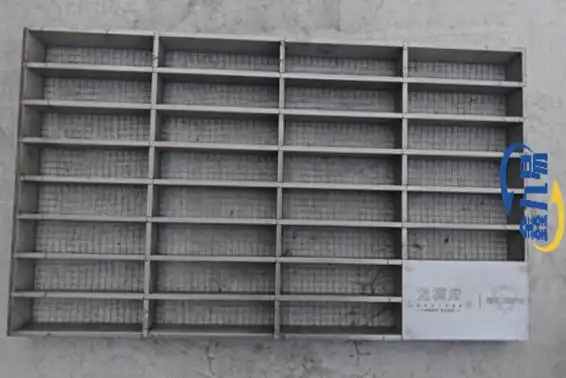
Top 10 Applications of Stainless Steel Bar Grating
Stainless steel bar grating serves as a structurally reliable, corrosion-resistant drainage and load-bearing solution across municipal, industrial, and commercial environments. Its open-surface design efficiently separates liquids—rainwater, sewage, and wastewater—from solid debris such as leaves, stones, and waste, preventing blockages in pipe networks and drainage channels. Available in 304, 316, and 201 alloy grades with slot spacings from 20 mm to 100 mm and plate thicknesses from 2 mm to 8 mm, this product delivers a verified service life of 15 to 30 years, making it a dependable long-term investment for procurement teams managing high-demand infrastructure projects.

What Is Stainless Steel Bar Grating and Why Does It Matter?
Stainless steel bar grating is made up of load-bearing flat bars that are welded or pressure-locked to perpendicular cross bars to make a solid panel with an open surface. The panel's structural capacity and fit for certain load classes depend on how it was made—whether it was soldered, press-locked, or swaged.
Core Material and Performance Properties
The levels of chemical protection for alloy types 304, 316, and 316L are all different. Because it has 2–3% molybdenum, grade 316 is much more resistant to pitting in chloride-rich or acidic conditions than grade 304. ASTM A666 and NAAMM MBG 531 say that certified panels have to meet very strict requirements for their sizes, the quality of their welds, and how much they bend under load. These standards are required—they directly affect whether a grating panel passes an on-site inspection or needs to be replaced, which can be expensive.
Here are the main structural benefits of this material that make it the best choice in all fields:
- Corrosion resistance: Grades 304 and 316 can handle rust, acid, and chemical exposure in drainage ditches outside and hygiene-critical areas inside, keeping the integrity of the surface without coating wearing away.
- Extended service life: If you choose the right panels, they will work reliably for 15 to 30 years, which is a lot longer than galvanized carbon steel options and saves you a lot of money on upkeep.
- Load-bearing flexibility: Panels can meet load classes from walking walks to light vehicle zones because the plate thickness can be changed from 2 mm to 8 mm and the bar spacing can be changed.
These benefits directly address the two most common problems in procurement: structures that fail too soon and maintenance costs that keep going up in harsh environments.
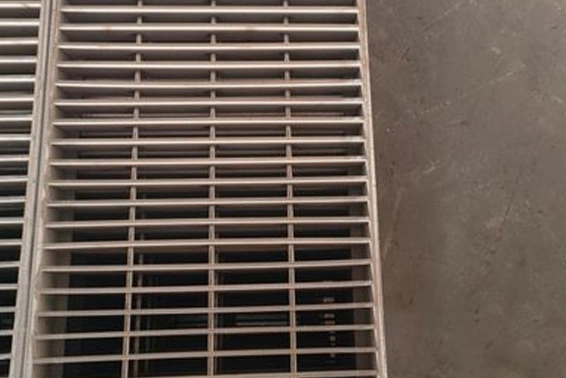
Top 10 Applications of Stainless Steel Bar Grating
In these ten situations, welded or press-locked drainage grating gives the best performance value that can be measured. In each case, there are different technical needs that normal aluminum or carbon steel panels can't always meet.
1. Municipal Road and Urban Drainage Systems
Drainage systems in cities need grates that can catch garbage without slowing down flow rates. Optimized slot spacing keeps pipes from getting clogged and makes it easy for maintenance workers to get to the road during repair cycles.
2. Landscape Plazas and High-End Public Spaces
Drainage systems that look good and work well are needed in commercial plazas and high-end apartment complexes. Modern building finishes look great with the natural shiny sheen of stainless steel bar grating panels.
3. Food Processing Facilities
Meat processing plants, breweries, and dairy farms need drainage trenches that aren't porous and are easy to clean. Polished 304 or 316 panels meet FDA cleanliness rules because they smooth out the surface, making it less likely for germs to grow.
4. Commercial Kitchens and Restaurant Infrastructure
Every day, hot water, cleaning products, and grease are put on kitchen floor grates. Panels made of 304 stainless steel don't break down when exposed to chemicals and can be washed directly with high pressure without damage to the surface.
5. Pharmaceutical and Cleanroom Environments
In areas where drugs are made, it is necessary to have uniform slot shape and electropolished surfaces. Here, grating panels have to pass quality assurance checks that check both the accuracy of the measurements and the risk of surface contamination.
6. Chemical and Petrochemical Processing Plants
Structures in refineries and places that handle acids are exposed to acids that quickly break down galvanized steel. Grade 316 panels keep their structural integrity even after being exposed to chemicals for a long time.
7. Marine and Coastal Infrastructure
For offshore platforms, desalination plants, and seaside paths, constant resistance to salt spray and immersion in salt water is needed. 316-grade panels have molybdenum in them, which stops pitting corrosion that weakens structures over time.
8. Wastewater Treatment Facilities
The paths and channel covers in a treatment plant are always exposed to sewage gasses and harmful biological agents. In this case, stainless steel panels last longer and pass inspections more easily than carbon steel panels.
9. Construction Site Trench Covers and Temporary Platforms
Temporary site drainage depends on strong panels that can handle the weight of building tools and the flow of muddy water. During the building process, high structural strength makes sure that people and tools can safely move across open trenches.
10. Power Generation Facilities
In power plants, grating that can handle both heat and chemical cleaners is needed in cooling towers, turbine platforms, and maintenance walkways. These operating pressures work together to keep the dimensions of stainless steel panels stable.
Comparing Stainless Steel Bar Grating with Alternative Materials
A lot of the time, procurement teams compare galvanized carbon steel, aluminum, fiberglass reinforced plastic (FRP), and stainless steel. Each option comes with trade-offs that are more or less important based on the situation.
Carbon steel grating is cheaper up front, but the covering needs to be maintained regularly and replaced in places where it will rust. A lifecycle cost study usually shows that the extra money spent on stainless steel is recouped in five to eight years through lower upkeep costs. Aluminum panels are lighter, but they can't hold as much weight or last as long if they are used in heavy-duty industrial or municipal settings. While FRP panels are resistant to chemicals, they are not as strong or fire-resistant as stainless steel when used in high-temperature settings.
It makes sense for buying teams in charge of long-term building projects to come to this conclusion: stainless steel bar grating has a lower total cost of ownership in situations where corrosion, hygiene, or structural load standards can't be ignored.
Procurement Insights: What to Verify Before Placing an Order?
Decisions about where to get things have real effects on project timelines and compliance results. Several steps of verification keep procurement teams safe from quality problems that show up after the installation is done.
The most important step is being able to track down materials. For each batch, suppliers should give mill test papers that show what the metal is made of. Positive Material Identification (PMI) testing can be done on-site to make sure that the panels delivered are the right grade of 304 or 316 steel. This is done to avoid using lower-grade replacements that rust too quickly.
Before bulk transport, the dimensions must be checked against the project plans to make sure they are correct. Differences in slot spacing and panel flatness tolerances have a direct effect on how well the fitting fits and how well the draining works. When procurement teams work with Xinjiuyi, they get tracked material certificates for 201, 304, or 316 alloys along with measurement verification reports for every production batch before it is shipped.
For export purchases, suppliers should give origin certificates, load test data, and export packaging specifications. For sea freight, moisture- and rust-resistant packaging is a must, not a nice-to-have extra.
Best Practices for Installation and Long-Term Performance
Avoidable structural stress can be avoided with proper fitting. When the panels are put in place, they are aligned so that the load is spread evenly across the support frame. Instead of being hand-tightened, securing clips or pin nuts should be torqued to the right level.
Stainless steel bar grating panels don't need much regular upkeep, but they do need some. Keeping an eye on the slot openings for debris buildup on a regular basis keeps the flow going. In places where cleanliness is important, like food processing plants, regular pressure washing with approved cleaning products keeps the surface clean between audits. For pharmaceutical or marine uses, electropolishing is recommended because it strengthens and replaces the chromium oxide inactive layer after it has been made.
Conclusion
Stainless steel bar grating is used in a huge variety of places, from cleanrooms for pharmaceuticals and offshore platforms to draining water from city streets. Three things—choosing the right material grade, making sure the measurements are correct, and checking the reliability of the supplier—determine whether a purchase will last and save money in the long run or cause costly replacements. If you get stainless steel grating panels from a reliable source and follow the right specifications, they will last longer than other options for 15 to 30 years. When procurement teams buy verified-grade panels that are correctly defined, they cut down on upkeep costs and project risk in a measurable way.
FAQ
What grade should I specify for a coastal or marine environment?
Grade 316 is the right choice for places that are constantly exposed to saltwater or chloride. Its molybdenum percentage of 2–3% makes it much more resistant to cracking than 304. 304 is the standard for freshwater drainage or indoor uses that won't be exposed to chemicals.
How do I verify that delivered panels match the specified alloy grade?
For each batch, ask for a mill test certificate. For high-stakes uses, test received panels with PMI to prove the alloy makeup. Reliable suppliers of stainless steel bar grating always include paperwork that can be used to track the product.
Can panels be fabricated to non-standard dimensions?
Yes. Manufacturers who can do CNC fabrication can make slots spaced at any distance, panels of any size, and plates of any thickness. Xinjiuyi makes panels based on plans from customers. The plate thickness can be between 2 mm and 8 mm and the hole spacing can be between 20 mm and 100 mm.
What surface finish is appropriate for food processing environments?
Polished or electropolished surfaces are smoother, which makes them easier to clean and less likely for bacteria to stick to them. Panels with a mill finish can be used for outdoor drainage and construction projects where cleanliness is not a concern.
What is the realistic service life for outdoor municipal drainage applications?
Service life can be anywhere from 15 to 30 years if the right grade is chosen (304 or 316, based on the location). In order for this standard to be valid, it must be installed correctly and cleaned regularly.
Partner with Xinjiuyi for Reliable Stainless Steel Bar Grating Supply
Xinjiuyi makes approved stainless steel bar grating that meets the needs of cities, businesses, and exporters. Our panels come with quality documentation that is ISO9001-certified, certificates that show where the materials came from, and the ability to be made to order based on your project drawings. Contact our team at global@xjy8.com or visit xjy8.com to get a quote that fits your needs, whether you need large amounts for infrastructure projects or panels with special dimensions for cleanrooms.
References
1. National Association of Architectural Metal Manufacturers (NAAMM). Metal Bar Grating Manual (MBG 531/532). 2020.
2. ASTM International. ASTM A666: Standard Specification for Annealed or Cold-Worked Austenitic Stainless Steel Sheet, Strip, Plate, and Flat Bar. 2022.
3. ASTM International. ASTM A1011: Standard Specification for Steel, Sheet and Strip, Hot-Rolled. 2021.
4. European Committee for Standardization. EN 10088-2: Stainless Steels — Technical Delivery Conditions for Sheet/Plate and Strip. 2014.
5. Outokumpu Stainless. Corrosion Handbook: Stainless Steel Grades and Their Applications in Industrial Environments. 2019.
6. American Institute of Steel Construction (AISC). Steel Construction Manual, 16th Edition. 2023.
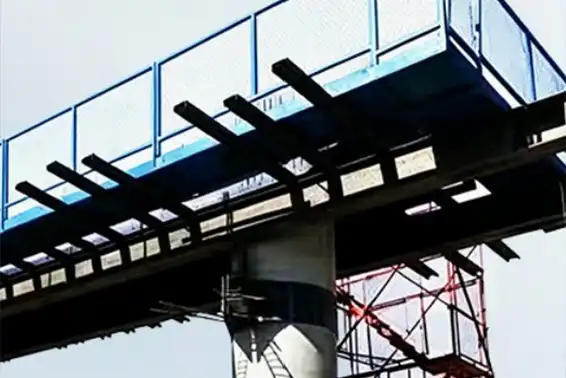
What is a pier cap work platform?
A pier cap work platform is a specialized temporary elevated access structure engineered for high-altitude bridge construction operations. Mounted directly onto bridge pier heads, it provides a stable, load-bearing working surface for personnel performing rebar placement, formwork installation, and concrete pouring at pier cap level. Unlike conventional ground-supported scaffolding, this system transfers working loads directly to the existing pier structure, eliminating extensive foundation preparation. It integrates perimeter guardrails, anti-slip decking, and modular steel components to meet international safety standards including OSHA 1926 Subpart L and EN 12811-1, making it indispensable for modern bridge substructure construction worldwide.

Understanding Pier Cap Work Platforms
Building a bridge above ground level is very dangerous. According to OSHA statistics, falls from heights are still the biggest reason people die on the job in the United States, making up 36.4% of all construction deaths. An engineered work envelope at height that was built specifically for bridge pier operations is what a pier cap work platform does to directly address this risk.
Types and Design Configurations
There are two main types of pier cap work platforms: fixed-dimension units that work with standard pier geometries and modular systems that can be reconfigured to fit different pier head shapes. Professional procurement is dominated by modular designs, which can hold pier caps that are square, round, or flared all within the same asset base. Heavy-duty models have I-beams and channel steel as their main framing, and the perimeter system uses square tube guardrails and expanded metal mesh infill panels to keep things from falling below.
Load Ratings and International Standards
Different types of building work require different distributed load rates, which are usually between 2.5 and 5 kN/m². Platforms made to EN 12811-1 standards and in line with OSHA 1926 Subpart L are trusted around the world, which is important for projects that involve hiring foreign engineers or buying things from other countries. Hot-dip galvanized coatings according to ISO 1461 make things last longer in marine and humid environments. This means that rental companies and large contractors don't have to do as much long-term maintenance.

How to Use a Pier Cap Work Platform Safely and Effectively?
If a pier cap work platform works as safely as it should, it depends on how it is deployed. Before the installation starts, the anchor point capacity on the pier structure is checked, and the platform's load estimate paperwork is compared to the real-world conditions on the site. Before the first person gets on the deck, structural engineers should look over the load bearing certificates.
Assembly and PPE Requirements
Most of the time, modular pier cap work platforms can be moved into place by crane and secured within two to four hours using mechanical fasteners instead of welding on-site. All workers must wear hard hats, steel-toed shoes, and full-body harnesses that are connected to separate anchor lines while putting things together. Once they are put up, border guardrails must be checked to make sure they are all connected and there are no gaps that are too big according to safety rules.
Maintenance and Inspection Schedule
Platforms work safely on multi-pier projects thanks to checkups that happen every three months and check the tightness of the bolts, the stability of the welds at the main connection points, and the state of the non-slip decking. If you see any visible deformation at the bracket bearing points or corrosion in the guardrail tube, the system should be taken out of service right away. Keeping review records helps with project safety checks and regulatory compliance paperwork.
Benefits and Advantages of Using Pier Cap Work Platforms
Teams working on projects that switch from regular tube-and-clamp scaffolding to specialized pier cap work platforms always see improvements in both time and money. It makes sense from a structural point of view: the pier cap work platform borrows the pier's ability to hold weight instead of building its own structure from scratch.
Here are the core operational advantages that procurement managers and chief engineers cite most frequently:
- Accelerated installation: A 26-kilogram modular platform is lifted into place without the need for heavy tools on the ground. Setup time is cut from several days to just a few hours. This directly protects critical-path pier cap schedules on projects like high-speed rail viaducts and urban overpasses.
- Reduced site footprint: Since the system is mounted on a pier instead of the ground, there are no obstructions in the way of traffic lines or over water, which are both situations where accessing the system from the ground would be physically impossible or illegal.
- Cycle reusability: Because the building is made of galvanized steel, it can be taken apart and put back together over and over again on dozens of pier caps in the same project. This way, the capital investment is spread out over the whole number of piers instead of being wasted on each setup.
Choosing the Right Pier Cap Work Platform for Your Project
When you buy pier cap work platforms, your choices have real effects. Choosing an undersized or physically misaligned unit can cause delays in the work that needs to be done and put people at risk. By matching the platform's requirements to the project's requirements from the start, those costs can be avoided.
Key Selection Criteria
Whether to buy or rent is based on the size of the project and the number of times the pier is used. For a 200-pier viaduct job, it makes sense to buy a designed modular fleet all at once. If you don't want to carry idle assets, a 15-pier urban interchange might favor rental. The way the building is done directly affects the load capacity requirements: working with rebar, forms, and wet concrete all at the same time needs higher-rated platforms than maintenance inspection access.
Evaluating Suppliers and Customization Capability
A reliable pier cap work platform supplier should give you full structural load calculation paperwork, material certificates that say the steel grade is correct, and records of all the weld inspections that were done. In cases where time is of the essence, suppliers who can read pier diameter and cap beam plans and turn them into fabrication requirements are very useful. ISO 9001 approval is a basic sign of regular control over the manufacturing process. For international projects, the supplier's ability to meet offshore project deadlines depends on whether or not they have technical documentation in English and export packaging that fits in containers.
Procurement Insights: Buying and Renting Pier Cap Work Platforms
Global business-to-business buying of pier cap work platforms follows predictable patterns that are shaped by the length of the project, the budget, and the logistics of the location.
Bulk buy orders that cover the total number of bridge piers can get price breaks based on volume, and sellers can plan production runs that meet delivery obligations. Custom-built modular systems usually have lead times of four to eight weeks from confirmation of the drawings to dispatch. Because of this, procurement teams that are working with tight schedules should start working with suppliers during the construction design phase instead of when the systems are being mobilized.
For export purchases, containerized shipping needs precise packing design to keep built parts from getting damaged during transit. Suppliers who have been exporting for a long time can give freight forwarders and port authorities packing plans and weight distribution estimates that meet their needs. In foreign infrastructure supply chains, it is common to use L/C or T/T payment terms with releases tied to milestones.
Conclusion
A pier cap work platform is a safe investment that replaces dangerous makeshift support with a purpose-built system that can hold a lot of weight. In addition to keeping workers safe, it shortens the time needed for installations and moves the weight of the pier construction along tried-and-true structural paths. When purchasing teams are in charge of bridge foundation projects in both domestic and foreign markets, they need to choose a platform that has verified material approval, modular flexibility, and the ability for suppliers to make changes. This keeps safety records and project timelines intact.
FAQ
What is the typical load capacity of a pier cap platform?
Professionally made systems can handle loads of up to 5 kN/m², which is enough for the weight of people, rebar, and forms during the construction of a pier cap beam. Load certificates should always be checked against the way you're building.
Which safety standards apply?
Platforms used on foreign projects should meet the standards set by EN 12811-1 for temporary work equipment and OSHA 1926 Subpart L for fall safety. For rust protection, ISO 1461 sets the rules for hot-dip galvanizing.
When should operations stop due to wind?
Safety rules in the industry say that work must stop when sustained wind speeds reach 15–20 m/s (about Beaufort Force 7–8), though this can change based on local laws and project-specific risk estimates.
What are the advantages of modular over fixed designs?
Modular systems can work with different pier shapes across a project, allow for faster installation with the help of a crane, and allow cross-pier reuse, which increases the asset's return on investment. Fixed designs work well for pier layouts that are used over and over again and don't need to be changed.
How long does installation take?
After the crane is put in place, a pre-assembled modular pier cap work platform is usually ready to use in two to four hours, which is a lot faster than similar tube-and-clamp scaffolding setups.
Partner With Xinjiuyi for Your Next Bridge Project
You can trust Xinjiuyi to keep its promises as a pier cap work platform provider. It has ISO 9001, ISO 45001, and ISO 14001 certifications, full structural paperwork, and engineering that guaranties up to 20 years of service life. Our team can make a solution that fits your pier diameter drawings exactly, or they can take care of a large order for a viaduct project. Either way, they can do it quickly and accurately. To get your technical consultation right away, email our global team at global@xjy8.com or go to xjy8.com.
References
1. American Institute of Steel Construction (AISC). Steel Construction Manual, 16th Edition. 2023.
2. European Committee for Standardization (CEN). EN 12811-1: Temporary Works Equipment — Scaffolds: Performance Requirements and General Design. 2003.
3. International Organization for Standardization. ISO 1461: Hot Dip Galvanized Coatings on Fabricated Iron and Steel Articles. 2009.
4. Occupational Safety and Health Administration (OSHA). Construction Industry Regulations: 29 CFR 1926 Subpart L — Scaffolding. U.S. Department of Labor, 2023.
5. Transportation Research Board. NCHRP Report 725: Guidelines for Implementing Accelerated Bridge Construction. National Academies Press, 2012.
6. Rosignoli, Marco. Bridge Construction Equipment. Thomas Telford Publishing, 2013.
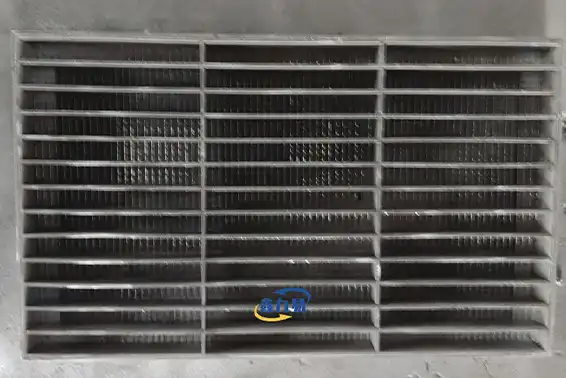
How To Choose The Right Stainless Steel Grating for Your Project
Choosing the right stainless steel bar grating starts with understanding your project's drainage demands, load requirements, and environmental exposure. Whether you manage municipal infrastructure, food-grade processing facilities, or export-oriented construction supply chains, the wrong grating choice leads to premature corrosion, installation rework, and costly downtime. This guide walks you through every critical decision point — from alloy grade selection and slot spacing to supplier verification and long-term upkeep — so your next procurement move is grounded in technical clarity and operational confidence.
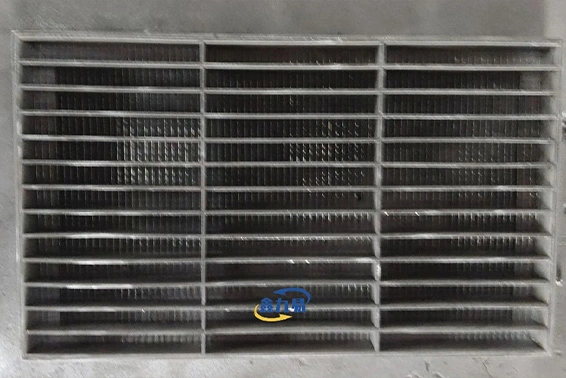
Understanding Stainless Steel Bar Grating: Key Features and Benefits
At its core, stainless steel bar grating is a structural filtration panel made up of load-bearing bars that are parallel to each other and cross bars that are not parallel to each other. These cross bars are connected to one another by welding or pressure locking. Separating liquids like rainwater, sewage, and wastewater from solids like leaves, rocks, and construction waste is its main job. This keeps pipes, drainage ditches, and machines from getting clogged.
Why It Outperforms Alternative Materials?
Stainless steel bar grating has a much better strength-to-weight ratio than galvanized steel, cast iron, or fiberglass. It is also naturally resistant to corrosion and doesn't need to be coated to keep it that way. ASTM A666 says that austenitic stainless steel keeps its shape over a wide range of temperatures and doesn't rust in either acidic or alkaline environments. This directly turns into a service life of 15 to 30 years, which is a number that galvanized options rarely come close to in chemically active or outdoor settings.
The material's chromium oxide layer heals itself when it gets scratched, which makes it a low-maintenance choice for seaside infrastructure, business kitchen floor grates, and covers for storm drains.
Typical Applications Across Industries
Stainless steel bar gratings can be found in a lot of different tough places. It is used by municipal engineers to design stormwater channels and road drainage systems. Food processing plants and business kitchens need grating surfaces that are smooth and can be washed directly without holding germs. The natural shine of the material is preferred for esthetic integration in high-end garden projects and business plazas. Because each situation calls for a slightly different setup, grade choice and exact measurements are so important.
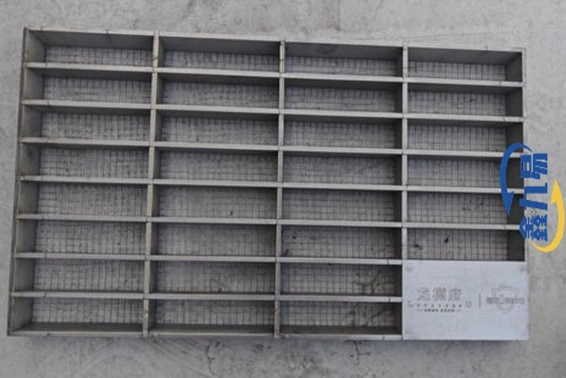
Essential Criteria for Choosing the Right Stainless Steel Bar Grating
The needs of two projects are never the same. Before placing an order, you need to look at a number of interdependent variables to make the right choice.
Alloy Grade: 304 vs. 316
Picking between 304 and 316 stainless steel is the most important choice that needs to be made during the buying process. Grade 304 is good for most commercial and municipal drainage jobs because it is very resistant to corrosion from the air and most food-grade chemicals. Grade 316 has 2–3% molybdenum in it, which makes it much more resistant to pitting in places with a lot of salt, like seaside sites, marine platforms, and industrial wastewater systems. If you choose the wrong grade or accept 201 instead of 304, surface rust will happen faster and the structure will be weaker in just a few years.
Slot Spacing, Bar Thickness, and Load Class
The distance between slots directly affects how well they catch trash. The Xinjiuyi gap range can be set to anywhere from 20 mm to 100 mm, so it can be used for a wide range of tasks, from filtering out small particles in food plants to catching large amounts of rainwater in public waterways. Engineers can figure out how much weight a plate can hold for walks for people, repair platforms, or areas for light vehicles by measuring its thickness from 2 mm to 8 mm. Instead of picking these parameters based on a rough idea, they should always match the project's structure plans.
Comparing Stainless Steel Bar Grating Options: What to Evaluate Before Purchase?
Comparing the different stainless steel bar grating product options is a good way to make sure you don't overpay for features you don't need or underspecify in ways that put safety at risk once you know what your technical needs are.
Before making a decision about a seller, buying teams should look at these main factors:
- Material traceability: Each production batch should have a mill certificate that can be checked and confirms the alloy's composition. Positive Material Identification (PMI) testing is still the best way to make sure that high-stakes projects follow the rules for 304 vs. 316 compliance.
- Dimensional precision: Grating panels made with a CNC machine should have very close measurements for length, width, and bar spacing. Any change in the uniformity of the slots leads to installation gaps, uneven surfaces, and maybe even hygiene audit failures in food-grade settings.
- Surface finish options: The mill finish is good for industrial drainage jobs where looks are not important. Surfaces that have been polished or electropolished must be used in FDA-compliant food facilities, medical settings, and high-end landscaping projects where both cleaning effectiveness and esthetic appeal are important.
- Load verification: Reputable manufacturers test deflection against set load classes using NAAMM MBG 531 or similar standards. Before approving samples, ask for test data.
These evaluation standards lower the chance of getting products that look like they meet the requirements on paper but don't work well in the real world. When purchasing teams don't check samples, they often have to pay more for rework than they save by buying in bulk.
Procurement and Supplier Selection Guide for Stainless Steel Bar Grating
When you buy directly from a manufacturer instead of going through a middleman distributor, the lead time is usually shorter, customization is easier, and quality control paperwork is easier to track.
Certifications and Quality Systems
Suppliers with ISO 9001 quality management systems show organized process controls during the whole process, from making the goods to inspecting them and delivering them. ISO 14001 certification for environmental management and ISO 45001 compliance for workplace health and safety are two more signs that a business is mature. These credentials are standard requirements for both local government bids and international export orders.
Evaluating Customization Capability
For projects that need non-standard trench widths, load profiles, or surfaces that meet cleanliness standards, it's important to find a maker that can work from technical plans instead of catalog specs. A good company that makes stainless steel bar grating should be able to change the panel sizes, bar spacing, and surface treatment within a set lead time, which is usually 15 to 30 days for bulk orders. It is important to find out if the factory has CNC cutting and automated welding equipment, since making things by hand can lead to inconsistent sizes when done on a large scale.
Packaging and Export Readiness
For export purchases, using moisture-barrier materials and wooden crates for anti-rust packing is important to keep the surface from oxidizing while it's in transit across the ocean. To make it easier for customs clearance and quality checks later on, suppliers should send all the paperwork needed for export, such as material certificates, packing lists, and certificates of origin.
Maintenance and Long-Term Performance Tips for Stainless Steel Bar Grating
Most drainage materials need more care than stainless steel bar gratings, but a basic maintenance plan will protect your investment for decades.
An check every six months takes care of the buildup of debris in the slot holes, which over time makes drainage less effective. Most surface dirt can be removed with mild alkaline cleaners. Chloride-based cleaners should not be used on 304-grade panels outside for long periods of time because they cause cracking at the weld joints to happen faster. Periodic electropolishing restores the passive oxide layer on polished surfaces used in food-grade settings and gets rid of micro-scratches that could hold living things.
Finding localized surface stains early on—which usually looks like small brown spots near where two welds meet—allows focused treatment before structural degradation happens. To keep the drainage working well and the load being spread evenly across the system, replacement panels should always be made from the same metal grade and slot standard as the originals.
Conclusion
Choosing the right stainless steel bar grating is an important structural and practical choice that will have long-lasting effects. The final specification includes the alloy grade, slot geometry, load class, surface finish, and the ability to track back to the supplier. When projects skip this step, they usually have to pay for it with corrosion reports, reworked installations, or cleanliness tests that fail. Before the first panel ships, most of the risk of buying is taken care of by a methodical evaluation based on project drawings, verified material certificates, and proven fabrication capability.
FAQ
When should I specify 316 over 304 stainless steel grating?
Choose 316 if the installation site is regularly exposed to chloride, like in coastal areas, marine buildings, chemical processing plants, or food plants that use salty cleaning solutions. The molybdenum in 316 stops pitting rust, which 304 can't handle in those conditions.
Can I order custom dimensions directly from the manufacturer?
Yes. Manufacturers like Xinjiuyi can take project drawings and make panels that are exactly the size and weight that you need. For a correct quote, please include the hole width, the needed slot spacing, the plate thickness, and the surface finish requirements.
How do I verify the alloy grade of received grating?
Ask for a mill certificate with every package, and for high-value or controlled projects, you might want to test received samples for PMI (Positive Material Identification). This lets you know for sure if the metal is real 304 or 316 and not lower-grade 201.
What load classes are available?
Standard layouts allow for foot movement and light car loads. Maintenance vehicles and industrial equipment can be moved with heavy-duty configurations that have bars that are thicker and closer together. Always check the load class against the papers that describe the structure.
Is polished surface finish necessary for food plants?
Yes. Polished surfaces lower surface roughness (Ra value), make it easier to clean completely, and stop germs from sticking to them—all of these things are required by standard food safety audit protocols.
Get a Custom Stainless Steel Bar Grating Quote from Xinjiuyi
Xinjiuyi makes stainless steel bar grating to your exact specifications. They can make anything from food-grade trench grates to covers for city sewage systems. As an ISO 9001, ISO 14001, and ISO 45001-certified company that makes stainless steel bar grating, we can handle large orders, customizations that aren't standard, and export packaging for projects around the world. To get a detailed quote right away, email our buying team at global@xjy8.com or go to xjy8.com.
References
1. National Association of Architectural Metal Manufacturers (NAAMM). Metal Bar Grating Manual MBG 531. 2000.
2. ASTM International. ASTM A666: Standard Specification for Annealed or Cold-Worked Austenitic Stainless Steel Sheet, Strip, Plate, and Flat Bar. 2015.
3. American Institute of Steel Construction (AISC). Steel Construction Manual, 16th Edition. 2023.
4. Outokumpu Stainless. Corrosion Handbook: Stainless Steel Grades and Applications. 2021.
5. International Stainless Steel Forum (ISSF). Stainless Steel in Infrastructure: Durability and Life Cycle Performance. 2019.
6. Food and Drug Administration (FDA). Food Safety Modernization Act (FSMA): Equipment and Facility Sanitation Guidelines. 2022.
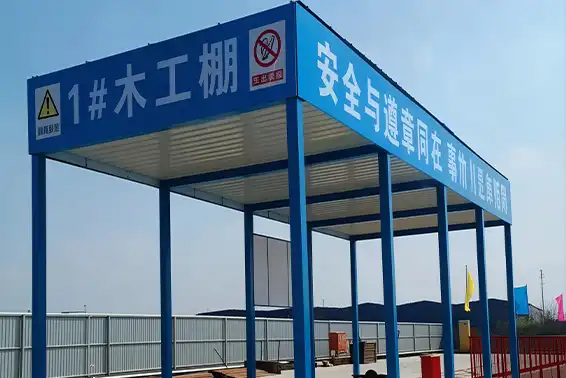
Why Do Carpenters Need a Working Canopy for Outdoor Projects?
Outdoor carpentry work carries risks that most people underestimate. A carpenter working canopy addresses the most persistent challenge on any construction site: the inability to control the environment where precision work happens. Rain warps kiln-dried lumber in hours. Direct sun accelerates adhesive curing unpredictably. Wind scatters sawdust into eyes and lungs. Without a dedicated woodworking shelter, productivity collapses and safety incidents multiply. Research from OSHA consistently identifies weather exposure and inadequate workstation boundaries as contributing factors in site injuries. A proper canopy structure is not optional equipment—it is a foundational safety investment.

Why Outdoor Conditions Threaten Carpentry Operations?
A carpenter working canopy solves this problem. Most people don't realize how dangerous it is to do carpentry work outside. One of the biggest problems on construction sites is that it's hard to control the environment where precise work is done. Kiln-dried wood bends in hours when it rains. Direct sunlight speeds up the healing process in strange ways. Wind blows sawdust into your eyes and lungs. Without a designated shelter for woodworking, output drops and safety problems rise. According to research from OSHA, weather exposure and not having enough space between workstations are two main causes of injuries on the job site. A good cover construction is not an extra piece of gear; it is an essential investment in safety.
Weather Damage to Materials and Equipment
Moisture is the main thing that can ruin good woodworking. Wood that has been dried in a kiln grows, warps, and changes its shape when it gets wet. A 2019 study in the Forest Products Journal showed that even short contact to rain can raise the moisture content of wood by 4–8%, which can change the size of structural lumber in a way that can be measured. When circular saws and table saws are left out in the rain for a few days, the blade arbors and bearing surfaces rust. This makes the tools much less useful for a longer time.
Dust, Noise, and Chip Containment
When wood is processed, particles are released into the air that are higher than what OSHA allows without control. A covered processing zone keeps sawdust inside a clear area, which makes extraction systems work better and keeps workers nearby safe. Standardized woodworking shelters have a design with two enclosures that keep chip splashes inside while still letting air flow naturally. This cuts down on areas that are dangerous for breathing and makes sure that nearby work areas meet cleanliness standards during inspections.

Key Features and Design Considerations
To choose the right overhead safety structure, you need to look at a number of things that affect each other. How well a cover works over the course of a project depends on its size, material grade, surface treatment, and fire protection. Here are the main structure differences between a professional answer and one that was made on the spot:
- Structural framework: The load-bearing backbone is made up of national standard high-strength steel columns that are 100 mm x 100 mm and have walls that are 2.0 mm thick. The two-column design properly spreads vertical and lateral loads, so the structure doesn't bend when heavy snow falls or when equipment shakes.
- Coverage footprint: A standard working area of 6000 mm × 3000 mm can fit several operators and stationary equipment at the same time. With width choices of 3000 mm, 4000 mm, and 6000 mm, the size can be adjusted to fit the plan of the equipment, so workers don't have to change to fit the structure.
- Fire-retardant envelope: The panels on top and around the outside are made of fire-resistant materials that meet the standards for fire safety on a building site. This has to be done in places where people work with wood because fine sawdust can start fires.
- Professional coating: A powder-spray surface treatment protects all steel parts from rust and rusting, so the structure stays strong even when the weather changes from rain to humidity to temperature.
All of these things work together to make a workspace with a carpenter working canopy that passes civilized building acceptance reviews and really protects workers and materials throughout the span of the project.
Pay close attention to the 3700 mm standard height. Shorter makeshift buildings can't provide enough space above for tall formwork panels, vertical lumber storage, and workers standing up with tools raised for safety reasons. Height choices that can be changed make it even more useful for a wide range of tools and ventilation setups.

Comparing Fixed Canopies with Alternative Solutions
Standardized steel canopy structures are often weighed against portable pop-up shelters or simple tarpaulin arrangements by site managers. The trade-offs are important, and they should be looked at honestly.
Portable cloth shelters are easy to move around and don't require a big investment up front. But their structures aren't strong enough to stand up to sustained wind loads above 30 mph without anchoring systems that take a long time to set up. Their frames, which are usually made of thin-walled aluminum, become permanently deformed after a moderate impact, and fabric panels don't really protect against fire when they're close to where sawing is happening.
When canvas covers are made on the spot, they have even more problems. They make pools of water that collapse under their own weight, block views, and don't contain any dust. Tarpaulin covers are often cited by site inspectors as not being enough to comply with woodworking zone rules.
These holes can be filled with a steel-framed, flexible carpenter working canopy. The bolt-connection system makes it easy to take apart and move between stages of a project without using special tools. The building is moved to the next spot without any damage, so the initial investment is spread out over several deployments. Over the course of five years, the cost of a permanent steel canopy for each project regularly falls below the total cost of replacing disposable movable options.
Procurement Guide: Choosing the Right Woodworking Canopy
When buying site protection structures, you have to make sure that the product specs match the verified project needs. One common reason for failed acceptance checks and expensive changes made on-site is rushing through this process.
Before asking for quotes, buying managers should write down the following:
- How big the processing zone is and how much space all the fixed equipment takes up
- Criteria for local acceptance from the appropriate building safety body
- Color requirements and branding elements, such as the company logo and safety signs in multiple languages
- Delivery window based on the start date of the project
- Whether deployment to a single site or multiple sites is planned
The engineering team at Xinjiuyi supports checking the sizes before production. This gets rid of the non-standard fit mistakes that require costly changes in the field. Customization includes widths from 3000 mm to 6000 mm, changes in height for special equipment, brand color coatings, and warning labels in more than one language. This level of proof before delivery is what sets a dependable carpenter working canopy provider apart from a catalog seller.
Documentation is also part of a supplier's responsibility. Certifications for fire resistance, records of structural integrity tests, and confirmations of material thickness give procurement managers the proof they need to meet the needs of internal compliance reviews and questions from external inspectors without having to rush after delivery.
Maintenance and Longevity for Sustained Site Performance
Most site managers don't realize how little maintenance a steel canopy structure built to national standards needs, but regular care does protect the investment and make it last longer.
After the first month of use and after any major weather event, check all fixed connections again. Machinery close can slowly loosen fasteners that seemed safe when they were first put together. Use a torque tool to tighten to the standard instead of guessing by hand.
Every three months, use a light soap and soft brush to clean the covered steel surfaces. Do not use rough pads that can scratch the protected covering. If an impact damages only a small area of the covering, use touch-up spray right away to keep water from getting into the uncovered area.
After any debris hits, the fire-resistant panels on the top and sidewalls should be checked for tears or deformation. The structure's acceptance paperwork says that it meets fire safety standards, but damaged walls make that less certain. Xinjiuyi offers technical help after delivery and keeps spare parts on hand for repair orders. This keeps panel damage downtime to a minimum.
When a project is finished, take apart the parts in the opposite order of how they were put together, clean each one, and store them somewhere dry and protected. Proper off-season storage stops coatings from wearing off faster and keeps parts in the right shape for putting them back together on the next job.
Conclusion
When carpentry work is done outside without proper overhead protection, workers, materials, and project schedules are put at unnecessary risk. A custom-built steel carpenter working canopy that has fire-resistant walls, a professional coating, and paperwork ready for compliance can handle issues with weather, safety, and acceptance better than stock options. The investment pays off over many projects because there is less work that needs to be redone, checks are done faster, and workers are always safe. Picking a maker with clear quality standards and quick customization options can mean the difference between a building passing inspection and one that needs expensive fixes.
FAQ
What makes a steel canopy more suitable than a portable shelter for woodworking zones?
Structurally stable structures made of steel are better than portable fabric canopies. They can stand up to sustained wind loads, damage from machinery and lumber, and fire-resistant panel systems that are needed for woodworking zone compliance. Portable shelters are good for short-term shade, but they can't handle the technical and fire safety needs of places where cutting is happening.
Can the canopy dimensions be adjusted to fit non-standard processing zones?
Yes. Xinjiuyi lets you change the length, width (3000 mm to 6000 mm), and height of an object in all three dimensions. Before production, the engineering team checks the measurements to make sure there are no mistakes with the fit on site.
Does the structure comply with fire safety acceptance requirements?
The panels on top and around it are made of fire-resistant materials that meet fire safety standards for woodworking processing zones on building sites. If you ask, you can get the paperwork that supports acceptance review.
How long does assembly take on site?
A trained team can quickly put together a standard unit thanks to the flexible bolt-connection design. Xinjiuyi gives installation teams detailed instructions on how to put the products together and technical support after delivery.
Is the canopy transferable between multiple project sites?
Yes. The bolt-connection system makes it possible to take the structure apart and put it back together without any special tools. This means that the structure can be moved from one site to another and the cost of the investment spread out over several project launches.
Get Your Custom Carpenter Working Canopy from Xinjiuyi
Xinjiuyi offers both standard and fully customized carpenter working canopy solutions that are made to fit your site's exact measurements, color needs, and safety standards. We are certified by ISO9001, ISO45001, and ISO14001, and we offer precision manufacturing along with full project support from the planning stage to the delivery phase. You can email our team at global@xjy8.com or go to xjy8.com to start your question and get details.
References
1. Forest Products Journal — Wood Moisture Content Variability and Dimensional Stability Under Field Exposure Conditions, 2019.
2. OSHA Technical Manual, Section III: Construction Industry Safety Standards — U.S. Department of Labor, Occupational Safety and Health Administration, 2021.
3. Journal of Construction Engineering and Management — Weather-Related Productivity Loss on Outdoor Construction Projects, ASCE, 2020.
4. Construction Safety Quarterly — Standardized Site Facility Design and Acceptance Compliance in Urban Construction Projects, 2022.
5. Building Research & Information — Material Degradation Mechanisms in Exposed Outdoor Construction Environments, Taylor & Francis, 2018.
6. International Journal of Occupational Safety and Ergonomics — Airborne Wood Dust Exposure Assessment and Control Strategies at Construction Sites, 2021.
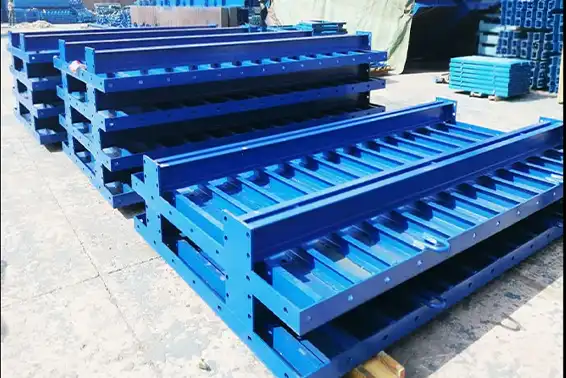
How much concrete pressure can steel column formwork withstand?
Steel column formwork must resist substantial lateral forces generated by freshly poured concrete. Based on engineering standards and field-validated data, well-engineered square column steel formwork withstands concrete lateral pressure ranging from 40 kN/m² to 80 kN/m², depending on pour rate, concrete temperature, and slump characteristics. At Hebei Xinjiuyi Construction Technology Co., Ltd., our modular column formwork systems are engineered from Q235 cold-rolled steel with integrated stiffening ribs, designed to handle these hydrostatic loads while maintaining dimensional accuracy within ±1 mm — delivering fair-faced concrete finishes without honeycombing or grout leakage.

Understanding Concrete Lateral Pressure and What Steel Formwork Must Resist
As soon as it's poured, fresh concrete acts like a fluid. The water pushes against the walls of the formwork, and the pressure is highest near the base of the pour. The ACI 347R-14 (Guide to Formwork for Concrete) says that the method to find the highest lateral pressure for column formwork is P = wh, where w is the unit weight of concrete (about 23.5 kN/m³) and h is the height of the pour.
Key Variables That Drive Pressure Levels
How much pressure your formwork has to withstand is always based on three things: the rate of pouring, the temperature of the concrete, and the type of additive used. When you pour concrete faster, it doesn't have as much time to start getting stiff, so it stays wet for longer and the horizontal pressure is higher. Lower temperatures make the process of soaking take longer, which makes the fluid pressure range bigger. When you pour high-slump or self-consolidating concrete, the water pressure is almost full throughout the whole pour height. Because of these factors, choosing the right materials and designing the structure are not choices but must be made.

Pressure Resistance Specifications and Design Principles
The building plans for column formwork are based on engineering standards from ACI, EN 12812, and ASTM. Formwork systems must show a safety factor, usually between 1.5 and 2.0, above the calculated maximum working pressure according to these codes. Most residential and commercial column uses design pressures between 40 kN/m² to 60 kN/m². However, high-rise pours or pours with pump help can raise the demand to 80 kN/m².
How Material and Structure Determine Pressure Capacity?
How much weight the system can hold without bending is based on the width of the face plate, the distance between the stiffeners, and the shape of the anchorages. The square column steel formwork in Xinjiuyi is made of Q235 high-strength cold-rolled steel plates that are bonded together with channel steel and angle steel ribs that make them stronger. The process of cutting, bending, and fully welding all at once gets rid of weak spots at joints. Visual and structural checks are done on every weld to make sure it goes all the way through. The connection places of the reinforcing ribs are checked against horizontal pressure and concrete vibrator contact. The GB 50204 deviation limit, L/400, tells us how to shape our panels so that the surface stays straight during each pour.
Panel thickness can be changed to meet the load needs of each project. Standard setups can fit widths from 300 mm to 1600 mm and heights up to 3000 mm. This gives buying teams the freedom to match the shape of the formwork to the structure plans without any problems.
How Installation Practices Directly Affect Pressure Performance?
When installed wrong, even the strongest formwork panel loses its rated strength. The system's real-world pressure resistance is affected by how the panels are aligned, where the braces are placed, and how tight the connections are. Stress builds up in places where tie rods are loose or panels aren't lined up right, which speeds up failure when the load is applied.
Here are the installation practices that most directly protect pressure performance:
- Panel alignment before pouring: Panels must be lined up so that they sit flush against each other and there is no space between them. Even a 1 mm misalignment makes it possible for grout to leak, which weakens the seal and leaves marks on the finished column's surface.
- Brace and clamp torque verification: Each connection point should be tightened to the torque values given by the maker. When vibrations happen, links that aren't tight enough let small movements happen, which add up to noticeable deflection at the surface level.
- Controlled pour rate: To avoid going over the maximum horizontal pressure level, you should only let the concrete rise vertically at the rate that your formwork's pressure design allows. This is very important when using self-compacting or high-slump mixes.
- Environmental temperature monitoring: When it's cold, concrete stays fluid for longer, so it can hold lateral pressure for longer. This risk can be successfully managed by changing your pour plan or using insulated curing methods.
These practices work together to ensure that your formwork system performs at its engineered capacity across every pour cycle. Neglecting any single factor can reduce effective pressure resistance below the design threshold, creating rework costs that dwarf the original material savings.
Comparing Steel, Timber, and Aluminum Column Formwork by Pressure Capacity
When building a tower, the choice of material affects everything that comes after. Even though timber formwork is easy to find, it can only handle lateral pressures of up to 30 kN/m² in normal conditions, and it loses its structural strength when it gets wet. Aluminum formwork is lighter than steel, but it can't handle as much pressure. This means it's not as good for high-rise columns where pump-fed concrete creates high hydrostatic loads.
Steel column formwork always does better than both options when it comes to resistance to pressure, steadiness in dimensions, and the ability to be used again. While wood warps and metal bends, Q235 steel panels keep their shape over 300 or more pour cycles with proper upkeep. Xinjiuyi's full-welding production method gets rid of the gaps between joints that let grout leak out, which is a common way for wood and some aluminum systems to fail. For purchasing managers looking at lifecycle costs, steel's 300+ reuse cycles spread the cost of acquisition across enough pours to make per-use savings over other materials that are meaningful.
In terms of shape, square column steel formwork spreads the weight of the concrete across flat panel faces, which needs strong stiffener reinforcement in the middle. Pressure is spread out in a circle by circular column shapes, which lowers bending stress but limits the modular freedom. Most residential and commercial column grids can use square profiles. This makes modular square systems the practical standard choice for most B2B procurement situations.
Enhancing Durability and Maintaining Safety Standards Over Time
For sustained pressure performance, maintenance must be done regularly between pour cycles. After cleaning, any leftover concrete should be cleaned up right away so that the surface doesn't harden and damage the panel face when it's used again. Xinjiuyi panels have an anti-corrosion painted surface that can stand up to the alkaline climate of new concrete. However, the coating can be touched up before corrosion weakens the structure if it is checked for damage on a regular basis.
Xinjiuyi is certified by ISO 9001, ISO 45001, and ISO 14001, which makes sure that environmental, health and safety at work, and quality management standards are followed at every stage of production. Before leaving our plant, each batch of panels is checked for flatness (within a maximum 2 mm deviation across the panel face), dimensional accuracy (within ±1 mm tolerance), and weld integrity. For seaside or chemically harsh areas, galvanized surface treatment updates are available to make the service life longer than painting versions.
Conclusion
The numbers are clear: column formwork must be able to safely handle 40 kN/m² to 80 kN/m² of lateral pressure from concrete, based on the project conditions. These needs can be met by properly designed square column steel formwork made from Q235 cold-rolled steel with full-weld construction and built-in strengthening ribs. It can be used over 300 times and still have a smooth, even surface. Choosing the right materials, installing them correctly, and keeping up with maintenance are all factors that affect how well your formwork works over the course of a project.
FAQ
What is the maximum concrete pressure steel column formwork can safely handle?
When it comes to pour rate, temperature, and mix design, well-engineered square column steel formwork systems can handle side pressures of 40 kN/m² to 80 kN/m². The top of this range is safely supported by high-strength Q235 steel that has stiffening rods built right in and is made with full-weld construction.
How does pour rate affect lateral pressure on column formwork?
Faster pour rates keep the concrete fluid for longer, which keeps the hydrostatic pressure against the walls of the formwork close to full. The easiest way to deal with this risk is to make sure that the vertical rise rate is equal to the design pressure capacity of your formwork.
How many reuse cycles can steel column formwork achieve?
Quality steel column formwork systems can be used 300 times or more if they are cleaned, stored, and maintained properly between rounds. Because it can be used again, the cost of materials per pour is much lower than with wood options.
Can steel column formwork be customized for non-standard column sizes?
Yes. Custom widths and heights outside of standard series are possible, and the fabrication process usually takes 14 to 21 days after the drawing is approved and the quality is checked.
What certifications should a reliable steel column formwork supplier hold?
A good starting point is to look for ISO 9001 quality control approval. Having ISO 45001 and ISO 14001 certifications shows that a company cares more about worker safety and environmental management throughout the whole manufacturing process.
Partner with Xinjiuyi — Your Trusted Square Column Steel Formwork Manufacturer
Xinjiuyi makes enterprise-grade square column steel formwork that is made to withstand the forces of real concrete over hundreds of uses. Our construction with Q235 steel, ±1 mm dimensional tolerance, and ISO-certified quality processes give procurement teams confidence from the first question they ask to the last delivery. Our engineering team is ready to help you with your project, whether you need standard panel series or fully customized non-standard configurations. To get a professional advice and quote right away, email us at global@xjy8.com or go to xjy8.com.
References
1. American Concrete Institute. ACI 347R-14: Guide to Formwork for Concrete. ACI, 2014.
2. British Standards Institution. EN 12812:2008 — Falsework: Performance Requirements and General Design. BSI, 2008.
3. ASTM International. ASTM E1745: Standard Specification for Plastic Water Vapor Retarders Used in Contact with Soil or Granular Fill under Concrete Slabs. ASTM, 2017.
4. Hurd, M.K. Formwork for Concrete, 7th Edition. American Concrete Institute, 2005.
5. China National Standard. GB 50204: Code for Acceptance of Constructional Quality of Concrete Structures. Ministry of Housing and Urban-Rural Development of China, 2015.
6. Peurifoy, R.L., and Oberlender, G.D. Formwork for Concrete Structures, 4th Edition. McGraw-Hill, 2011.
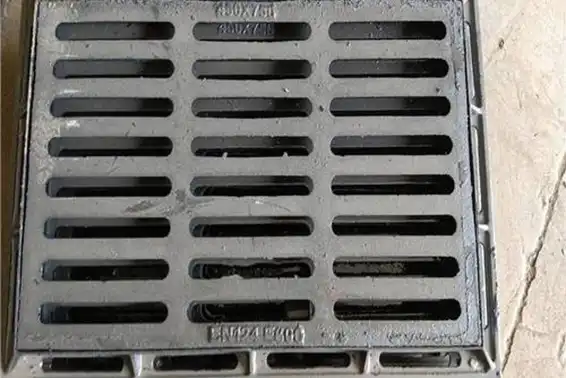
Is Ductile Iron Gully Grating prone to rusting and corrosion?
When you're investing in municipal infrastructure that must last decades, corrosion concerns naturally rise to the top of your decision-making list. So, is Ductile Iron Gully Grating genuinely vulnerable to rust and deterioration? The straightforward answer is that while ductile iron can experience surface oxidation when exposed to moisture and corrosive elements, it demonstrates significantly superior corrosion resistance compared to traditional grey iron or standard steel alternatives. With proper surface treatments such as bitumen or epoxy coatings—combined with its inherent metallurgical advantages—modern drainage gratings deliver 25-plus years of reliable service even in harsh urban and industrial environments. This durability stems from the material's unique microstructure and advanced manufacturing protocols that we'll explore throughout this guide.

Understanding Rust and Corrosion in Ductile Iron Gully Grating
What Actually Causes Corrosion in Iron-Based Drainage Components?
Sometimes, iron-based infrastructure parts rust when the metal surface reacts electrochemically with things around it. Odors in the air, water, and electrolytes like road salts or pollution from factories start to oxidize iron. The issue is worse in cities that use de-icing salts in the winter, get a lot of acidic rainwater with sulfur compounds, or are close to the coast. In nature, iron turns into iron oxide, which most people call rust, over time. These things speed up this process.
How Ductile Iron's Microstructure Affects Corrosion Behavior
Graphite in Ductile Iron Gully Grating is shaped like spheres, while graphite in gray cast iron is shaped like sheet metal. The clusters are arranged in this way to make the matrix more even. This keeps cracks from spreading and reduces the surface area that rust can attack. Traditional cast iron is made up of flake structures that are linked to each other. The continuous iron matrix that surrounds each graphite nodule works as a barrier that makes it take longer to penetrate. Surface rusting is less likely to happen because of this metallic benefit. This means that protective coatings work better for longer periods of time.
Common Misconceptions About Ductile Iron and Corrosion
Many people who work in procurement believe that iron-based items rust at the same rate, but this is not the case. As it turns out, the truth is a lot messier. When the weather is average, Ductile Iron rusts at a rate of 0.02-0.05 millimeters per year. There is a lot less of this than with exposed carbon steel, which can rust at over 0.1 mm per year. People also often think that once rust starts, the structure will always fall apart. When good Ductile Iron Gully Gratings are made with the right wall thickness and protective coats, they stay structurally sound even after decades of surface weathering because the depth of the rust stays within engineering standards.
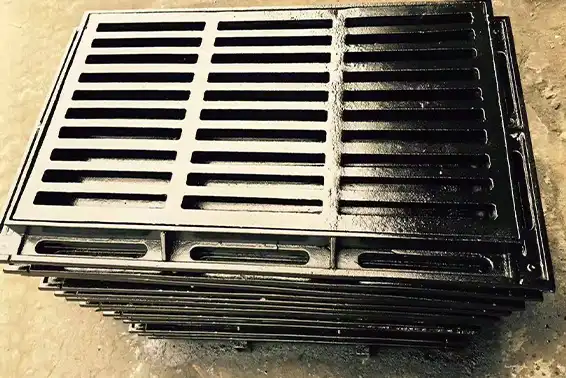
Corrosion Resistance Performance of Ductile Iron Gully Grating
Comparative Durability Against Other Materials
When we compare how well different materials work in everyday building tasks, Ductile Iron Gully Grating always comes out on top when it comes to strength and resistance to rust. Gray cast iron is cheap at first, but its flake graphite structure makes it more likely to break and lets rust spread faster. It is possible for standard carbon steel to hold its shape very well, but it needs strong protection to keep it from rusting fast. Plastic composite gratings can stand up to chemicals, but UV light breaks them down, they're not good with changing temperatures, and they can't hold enough weight for heavy traffic. Because it has a minimum tensile strength of 500 MPa and a corrosion rate that can be controlled by protective coats, Ductile Iron fills in these gaps.
Surface Treatment Technologies That Enhance Protection
For current industrial ways to keep the outside world out, they use many layers of protection. Bitumen layers that are 50 to 100 microns thick can be used as a cheap barrier in everyday city settings. They make a surface that doesn't attract water, which stops metal from coming into direct touch with things that can damage it. Epoxy powder coats are better at keeping chemicals away, which is helpful in business settings or places near the coast where chloride is more likely to be present. There are some companies that use hot-dip galvanizing, but not many. This is because the spheroidal graphite core makes it hard for the coating to stick. At Hebei Xinjiuyi Construction Technology Co., Ltd., we carefully treat our Ductile Iron Gully Gratings to make sure they meet EN 124 standards for durability. This makes sure that they will always work for the time they are supposed to.
International Standards and Quality Assurance
You can be sure that the rust resistance will work as planned if you follow well-known rules. Things have to pass strict tests set by EN 124:2015 before they can be verified. Some of these tests are being hit with salt spray, going thru cycles of freeze and thaw, and simulating long-term weathering. ASTM A536 sets the metallurgical standards for Ductile Iron. These standards make sure that the material always has the same properties that keep it from rusting. When a company gets ISO 9001 approval, it means they are committed to process control that ensures the finish stays the same across all output batches. Checking these certificates takes the guesswork out of evaluating buyers and gives written proof of the ability to protect against rust that meets the needs of the project and the tender.
Practical Maintenance Tips to Minimize Corrosion of Ductile Iron Gully Grating
Routine Cleaning and Inspection Protocols
If you keep up with drainage infrastructure maintenance, it will last a lot longer. If you look at the metal every three months, you can find early danger signs like coating wear, small areas of rust, or a pile of debris that keeps water against the surface. Cleaning with high-pressure water gets rid of sediment, organic matter, and corrosive residues that have built up before they can get thru the coatings that protect the Ductile Iron Gully Grating. To find aggressive corrosion before it weakens buildings in places with a lot of industry or near the coast, checks should be done once a month. By writing down the results of inspections, you can make a maintenance log that helps you plan replacements and find systems that aren't working right and need extra care.
Effective Repair and Recoating Strategies
Checks that show covering damage or early rust should be fixed right away so that the problem doesn't get worse and cost a lot to fix. If you wire brush or lightly abrasively blast the surface, you can get rid of free rust and prepare it for new coats. There is no need to take off the grating to fix safety barriers. Two-part epoxy repair solutions or bitumen mastics can be used instead. If coats keep coming off in some places, it could mean that the draining system isn't working right or that chemicals are being exposed to too much of them. Instead of fixing these spots, you should look into what's causing them. Road maintenance and repair work that are planned ahead of time help cities keep traffic low and make the best use of their resources.
When to Consider Replacement Versus Refurbishment
To make smart decisions about how to manage an asset's lifecycle, you need to look at both how it looks and how much strength it still has. The Ductile Iron Gully Grating is almost safe to use when rust gets thru more than 20% of the wall thickness. This is especially true when there is a lot of work to do. Structures have been pushed past their safe limits when they bend, crack, or lose their ability to stop movement. Instead, gratings that still have their core structure but have some corrosion on the outside can be professionally fixed up. This is much cheaper than replacing the gratings and makes them last at least ten more years. Economics studies should look at the costs of managing traffic, since replacing individual units during off-peak hours is often a cheaper choice than putting off repair until the whole road needs to be fixed up.
Selecting the Right Ductile Iron Gully Grating to Avoid Corrosion Issues
Matching Specifications to Environmental Conditions
To pick the right materials, you must first carefully look over the spot. Coasts need better protection coats and maybe even bigger wall sections to make up for the fact that salt makes rusting happen faster. Industrial parks that are close to chemicals need coats made of epoxy or polyurethane that don't mix with certain chemicals in waste. Some load grades, like Class E600 or F900, let the structure bend without putting people in danger. This makes them good for busy main roads. Bitumen coats on Class D400 Ductile Iron Gully Gratings work well in normal urban areas with low exposure. They are a good mix of initial investment and long-term value.
It's important to know what the load class standards are before you buy something. Many people walk and drive light vehicles in places where Class C250 is good because it doesn't need to be very strong but does need to be resistant to rust. Most of the time, Class D400 is used for roads and parking spots. It can stand up to heavy trucks and still keep from rusting. Busways and business areas with a lot of foot traffic are in Class E600. The environment is rough, and the loads change quickly. Airports, ports, and industrial heavy-haul lines that have to deal with rough terrain and big loads are what Class F900 is made for.
Material Alternatives and Long-Term Value Analysis
When you compare how much different materials cost over time, you can see that Ductile Iron is a better choice for tough jobs. Even tho plastic composite gratings are cheap to buy, they need to be changed every ten to fifteen years because UV light and normal wear and tear damage them. This means they cost more over time because they need to be changed more often. It is very hard for stainless steel to rust, but it is very expensive and doesn't always perform better than properly coated Ductile Iron. You can get traditional gray cast iron for less money at first, but it breaks and rusts more easily, so it costs more to keep up and is less safe. With the right installation and description, Ductile Iron has the best balance. It can last for 25 years with little care.
Evaluating Suppliers and Manufacturing Quality
Whether the theoretical properties of a material work in real life depends on how well you choose a manufacturing partner you can trust. When a company has ISO 9001, ISO 14001, or ISO 45001 certifications, it means they have a good quality management system in place that makes sure the metal features and finishing treatment are always the same. Third-party testing records for tensile strength, spheroidalization rate, and covering retention show that the product works as it should. Customization is important because skilled manufacturers can change designs without affecting the structural integrity. This is useful for projects that need non-standard sizes or load ratings. How sure the company is that the rust resistance will last is shown by how long the guarantee is. Suppliers you can trust offer 20-year warranties that are backed up by proof of performance in the field.
Conclusion
You need to know about material science, outside factors, and safety technologies in order to fix rust issues in Ductile Iron Gully Grating systems. All ferrous metals rust in some way when they come in contact with water and other things that break down metals. But new Ductile Iron gratings that are made well and have the right surface treatments will last for decades and work well in many situations. Protective coats last longer if you follow a few easy maintenance steps and make sure the product specs are right for the job spot. Only buy from approved manufacturers with high quality standards. The most lasting and cost-effective investments that can be made in infrastructure are drainage gratings that are properly defined. This is because they are bought based on their total lifecycle value instead of just their initial cost.
FAQ
Does coating type significantly impact corrosion resistance?
What kind of treatment you use makes a big difference in how well it stops rust over time. Bitumen coats are strong enough to protect everyday uses in cities that are constantly hit by water and salt from the roads. Chemicals don't stick to epoxy coats as well, so they work well in factories and along the coast, where high amounts of chloride make corrosion faster. How thick the covering is is just as important as what kind of material it is made of. When things are rough, coats with 100 microns work much better than ones with 50 microns.
Can corroded gratings be restored to service?
A professional can fix surface corrosion on Ductile Iron Gully Gratings that takes up less than 20% of the wall thickness. This kind of corrosion usually doesn't hurt the structure. During the process, any loose rust is taken off, any corrosion that is still there is minimized, and the right coats for protection are applied. As a safety measure, gratings that have bigger holes, structural deformation, or cracks need to be replaced. Engineers who have been trained to do so check the fix to make sure it meets standards for safety and durability.
How does ductile iron perform in freeze-thaw cycles?
The chemical makeup of spheroidal graphite iron makes it very resistant to changes in temperature. Gray cast iron can break when water in graphite flakes expands when it freezes, but cracks don't spread because of the way the metal is structured. Water can't get in because of protective layers. If it did, it could cause rusting below the surface during freeze-thaw cycles. After 50 rounds of freeze-thaw testing, gratings usually don't break if they were made properly and according to EN 124 standards.
Partner with Xinjiuyi for Superior Corrosion-Resistant Drainage Solutions
If you don't pick the right Ductile Iron Gully Grating company, your infrastructure investment will either not last for decades or you will have to keep fixing it. Drainage gratings made by Hebei Xinjiuyi Construction Technology Co., Ltd. are made to last a long time and not rust in factory and city settings that are rough. Our products are made of high-strength spheroidal graphite iron that has a minimum tensile strength of 500 MPa. They also have protective coats that are carefully applied and are built with anti-subsidence features that get rid of common ways that things fail. ISO 9001, ISO 14001, and ISO 45001 certifications back up the way we make our products, so they meet EN 124 and ASTM quality standards. Our expert team can help you with everything before you buy, from detailed drawings and specs to standard configurations and custom sizes made just for your project. Get in touch with our team at global@xjy8.com to talk about your drainage grating needs with a company that has a history of making infrastructure solutions that don't rust and will protect your investment for at least 25 years.
References
1. Davis, J.R. (2018). Corrosion of Iron and Steel: Mechanisms, Protection, and Control in Infrastructure Applications. ASM International Materials Park, Ohio.
2. European Committee for Standardization (2015). EN 124-2:2015 Gully Tops and Manhole Tops for Vehicular and Pedestrian Areas - Part 2: Gully Tops. Brussels: CEN.
3. Rajani, B., & Kleiner, Y. (2012). Comprehensive Review of Structural Deterioration of Water Mains: Physically Based Models. Journal of Infrastructure Systems, Vol. 18, No. 3, pp. 151-164.
4. American Society for Testing and Materials (2019). ASTM A536-19: Standard Specification for Ductile Iron Castings. West Conshohocken, PA: ASTM International.
5. Koch, G.H., Brongers, M.P., Thompson, N.G., Virmani, Y.P., & Payer, J.H. (2016). Corrosion Cost and Prevention Strategies in Municipal Infrastructure. Federal Highway Administration Report FHWA-RD-01-156.
6. Roberge, P.R. (2020). Handbook of Corrosion Engineering: Third Edition - Chapter 7: Corrosion of Iron and Steel in Civil Engineering Structures. New York: McGraw-Hill Education.
- 1
- 7
- 8
- 9
- 19