BLOG List
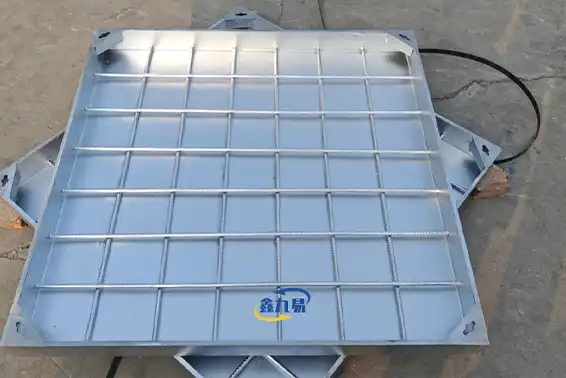
Stainless Steel Recessed Manhole Cover Buying Guide: Applications, Load Ratings, and Prices
When selecting Stainless Steel Recessed Manhole Cover infrastructure access solutions for municipal projects, commercial plazas, or high-end residential developments, understanding the specifications and performance characteristics of recessed access covers becomes essential for project success. This buying guide addresses the critical factors procurement managers and engineers must evaluate when choosing enterprise-grade underground access systems—focusing on application suitability, structural load classifications, material grades, and supplier reliability to ensure both safety compliance and aesthetic integration across diverse construction environments.
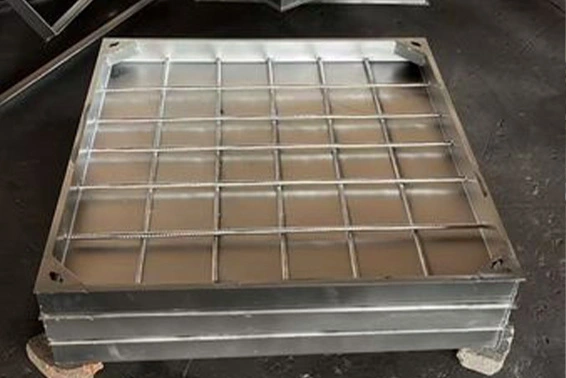
Understanding Stainless Steel Recessed Manhole Covers
The usual cast iron access covers have been replaced by Stainless Steel Recessed Manhole Covers. These special units have an inset tray design that can hold surface materials like tiles, pavers, granite, or asphalt. This makes the change from flooring finishes to utility entry points almost unnoticeable.
Core Design Features and Standards
The recessed tray is what makes it unique. It has a depressed cavity that is between 60mm and 100mm deep and is designed to hold infill materials that match the surfaces around it. This gets rid of the visual mess that comes with covers that stick out, but it still lets you get to underground services like sewage systems, stormwater drains, electrical lines, and communication networks.
Safety and structural integrity are controlled by manufacturing standards. The EN 124 grading system divides covers into groups from A15 (for walking areas and up to 1.5 tons of weight) to D400 (for high-traffic roads and up to 40 tons of weight). AASHTO standards give infrastructure projects in North America a way to be grouped together that is similar. Meeting these certifications makes sure that the covers you choose will be able to handle the expected traffic without breaking.
Composition has a big effect on how long something lasts and how well it works. Grade 304 stainless steel has 18% chromium and 8% nickel, which makes it very resistant to rust in most situations. Grade 316 adds 2 to 3 percent molybdenum, which makes it much more resistant to chlorine attack. This is very important for sites near water or in places where chemicals are present. Xinjiuyi makes covers out of both types of steel, as well as 201 stainless steel for projects that need to be cheap and will only be exposed to mild environmental conditions.
Performance Benefits That Matter
The main benefit is that it doesn't rust or corrode. Instead of rusting and weakening over time like cast iron does, stainless steel stays strong for decades. This durability is very important in places where chemicals run off, there is a lot of water, or when salt is used for winter maintenance.
Load-bearing capacity is the result of engineering design and the strength of the material. The frame structure evenly spreads weight, so it doesn't bend even when big vehicles drive over it over and over again. Precision manufacturing within a ±0.5mm tolerance makes sure that the parts fit properly and stops the rattling that happens with alternatives that don't fit right.
Esthetic integration turns utility access from an annoyance into equipment that you can't see. The recessed form works with building finishes, so it can blend in perfectly with marble halls, granite plazas, decorative pavers, or asphalt roads. This feature solves a problem that architects and developers have been having for a long time: finding functional solutions that don't go against the design vision.
Applications and Industry Use Cases
Procurement professionals can justify investments and choose the right configurations when they know where Stainless Steel Recessed Manhole Covers deliver the most value.
Municipal Infrastructure Deployment
For urban growth projects to go smoothly, they need to be able to reach underground utilities and keep the roads in good shape. Stainless Steel Recessed Manhole Covers that are set back into city streets make it easy to check on sewage mains, stormwater systems, water supply lines, and utility cables. The ability to resist corrosion means that it will last for decades, even after being exposed to deicing chemicals and changing temperatures.
D400-rated covers that can handle heavy commercial cars without damaging the structure are especially helpful in traffic control zones. Compared to standard covers, the flush surface design lowers noise and vibration, making life better in private areas while still allowing utilities to get to them.
Commercial and Retail Environments
Shopping malls, hotel lobbies, and business atriums need options that keep the look of high-end flooring. By putting in Stainless Steel Recessed Manhole Covers, you can match the marble, porcelain, or terrazzo finishes around the access points for utilities, making them almost invisible. This use includes outdoor plazas, where granite or colorful tiles make walking areas that flow together.
Controlling smells is another important thing to think about. Integrated EPDM or silicone gaskets provide airtight sealing, keeping sewer gasses from entering occupied spaces—this is a must for keeping places where customers and guests gather pleasant.
Specialized Industrial Applications
Facilities that process chemicals and structures along the coast are both at risk of severe corrosion. Stainless Steel Recessed Manhole Covers made of Grade 316 stainless steel don't break down when they come in contact with acids, alkalis, and places that are high in salt. Covers that keep chemical spills from happening and make it safe for maintenance workers to get to the plant are useful for manufacturing plants.
Materials that don't rust in saltwater are needed for marine sites like ports, shipyards, and coastal projects. The molybdenum in Grade 316 stops the pitting and crevice rust that happens in coastal environments. This protects investments in infrastructure over longer service lives.
These real-life examples show how choosing the right material, knowing how much it can hold, and designing it in a certain way can work together to solve problems in a variety of fields. Knowing the specific needs of your project helps you make specification choices that balance performance, looks, and lifecycle costs well.
How to Choose the Right Stainless Steel Recessed Manhole Cover
To make smart buying choices, you need to look at a lot of technical and business factors that affect both the short-term needs of the project and its long-term performance.
Load Rating Selection Criteria
Matching load classification to real-world driving situations keeps things from breaking down too soon and makes sure safety rules are followed. Pedestrian-only areas usually need A15 ratings, while mixed-use areas where vehicles sometimes go need B125 ratings. Heavy business routes need D400 standards, and roads with a lot of vehicle traffic need C250 ratings.
Project engineers should look at both the current situation and plans for the future to see how traffic will flow. Understating the load capacity increases the risk of responsibility and the cost of replacement, while overstating it raises the cost of purchase without being necessary.
Material Grade Considerations
The right types of stainless steel depend on how they will be used. Grade 304 works well in standard commercial and municipal settings because it is resistant to corrosion and doesn't cost too much. For projects less than five miles from the coast, Grade 316 should be used to keep saltwater from breaking down the concrete. Chemical plants, food processing plants, and pharmaceutical facilities all need Grade 316 to protect against aggressive substances.
Sometimes, limited funds force important choices. Grade 201 stainless steel has a reasonable resistance to rust and is good for use inside or in climate-controlled places where it won't be exposed to much. When you know about these changes in material performance, you can find a balance between cost and the needs for life that are unique to each installation site.
Comparative Material Analysis
At first glance, cast iron alternatives may seem like a good deal, but they rust and need to be replaced every 10 to 15 years under normal conditions. The lower initial investment is canceled out by the costs of replacement, the delays in traffic, and the possibility of being sued if the structure fails.
Although composite covers are lighter and less likely to be stolen, they are not structurally strong enough for heavy-load uses. In outdoor settings, service life is limited by surface damage caused by UV light and changing temperatures.
Stainless Steel Recessed Manhole Covers cost more at first, but they last 20 years or more with little upkeep. Total cost of ownership is better for quality-focused organizations when structural strength, corrosion resistance, and esthetic flexibility are all combined.
Procurement Planning Factors
Lead times for custom sizes and weights are usually between 4 and 6 weeks, but can be longer based on the manufacturer's workload and the complexity of the order. Standard versions may be shipped within two to three weeks, which helps projects move faster. Customization is often worth it when you order in bulk and get price breaks for doing so.
Different manufacturers have different minimum order amounts. It can handle both big infrastructure projects and smaller, more specific ones. Xinjiuyi lets you customize things by giving you specific sizes, shapes, and design elements that are built right in. This allows for a wide range of project needs to be met without having to compromise on specifications or keep too much inventory on hand.
Installation, Maintenance, and Longevity Tips
When you install and maintain things the right way, they work better and last longer, protecting your infrastructure investments.
Installation Best Practices
Preparing the surface is the first step in making sure that the fit and function are right. The opening must have enough support around the whole edge, and the substrate must be able to hold the expected loads without sinking. To avoid binding and make sure the frame works smoothly, it needs to be installed level and within a ±2mm tolerance.
To prepare a recessed tray, you have to choose the right infill materials that match the finishes of the surrounding areas and are strong enough. Tile and stone installations are usually held up by mortar beds or concrete backing. Before putting traffic loads on the cover, the filler material should be completely dry. This will keep the cover from shifting or breaking.
Testing the lifting device makes sure that repair workers can easily get to underground utilities. Lifting holes or T-bar sockets that are built in should work smoothly and not get stuck. Anti-theft designs that need special tools strike a balance between security and the need for allowed entry.
Maintenance Protocols for Extended Service
Regular cleaning gets rid of dirt and other things that could get in the way of proper draining or sitting. Inspections are done every three months to check for frame movement, gasket strength, and the state of the surface material. These preventative steps find small problems before they get worse and need expensive repairs or put people in danger.
Monitoring for corrosion is mostly used for Grade 304 systems that are in tough places. Surface darkening or pitting means the material has been exposed to more than it can handle, which could mean it needs to be upgraded to Grade 316 standards during replacement rounds.
Testing the integrity of the seal stops smells from escaping and water from getting in. If a gasket shows signs of compression set or breaking, it needs to be replaced to keep the airtight performance. Depending on the conditions of weather and the amount of traffic, this repair period usually lasts for 5 to 7 years.
Troubleshooting Common Issues
Frame deformation of Stainless steel decorative manhole cover is generally caused by not enough support for the base or damage from an accident. Fixing problems with settlement and making sure load levels are correct stop them from happening again during repair.
When the cover and frame are not lined up correctly, it makes operations harder and raises safety concerns. This problem usually happens because the frame moves because the ground has settled or the fitting wasn't done right the first time. The problem can be fixed by fixing problems with the base and replacing the frames according to the right instructions.
Damage to the surface material inside the hollow tray can be caused by not enough backing, choosing the wrong material, or contact. To fix something, you have to take out any damaged infill, check the integrity of the backing, and then reinstall the right materials using the right methods.
Trusted Brands and Suppliers – Choosing a Reliable Partner
The quality of the products, the dependability of delivery, and the level of professional help all have a big effect on how well a job turns out.
Manufacturer Evaluation Criteria
Quality marks are direct proof of how well a product is made. ISO 9001 certification shows that quality management is systematic, and ISO 45001 certification proves that health and safety processes at work are in place. Getting ISO 14001 approval shows that you care about environmental management. These international standards make sure that production processes are always the same and that products can be trusted.
The ability to meet tight deadlines for large sales depends on the manufacturing capacity. Precision laser cutting, automatic welding systems, and a wide range of testing tools are used in factories to make sure that the products are of high quality and have accurate measurements. Advanced manufacturing technology is used at Xinjiuyi's Cangzhou plant to make sure that key dimensions are within ±0.5mm of each other. This ensures that the parts will fit correctly when they are installed in the field.
Customization features let you meet the unique needs of a project that normal goods can't. Having engineering teams that can make detailed drawings and help with design is very helpful when coming up with specifications. Manufacturers who care about their customers' success can handle custom sizes, load rates, and integration features, which sets them apart from those who only sell catalog goods.
Supply Chain Reliability
Performance in on-time delivery protects project schedules and stops costly delays. Looking at a supplier's past work through case studies and references shows trends of dependability. Well-known companies keep common parts in stock, which cuts down on lead times for standard configurations and makes shipping plans more reliable.
For international projects, being able to handle global logistics is important. Cross-border deals go smoothly when people know how to handle customs processes, fill out the right paperwork, and organize freight forwarding. By combining orders in bulk and making the best use of containers, shipping costs per unit can be cut, which is good for the overall project's finances.
Having access to technical help adds value beyond just delivering a product. Access to installation instructions, troubleshooting help, and care suggestions helps property managers get the most out of their assets. Manufacturers who want to keep customers for a long time offer responsive help throughout the span of a product.
Conclusion
When choosing the right Stainless Steel Recessed Manhole Covers, you have to think about technical needs, the surroundings, how the covers should look, and your budget. Procurement professionals can choose solutions that meet both short-term project needs and long-term performance goals by knowing about load classifications, material grades, and application suitability. Because they don't rust, keep their shape, and can be designed in a variety of ways, Stainless Steel Recessed Manhole Covers are a great investment for public, private, and industrial structures.
FAQ
How do load ratings align with traffic standards?
EN 124 groups things into categories that go from A15 (1.5 tons for walking areas) to D400 (40 tons for heavy roads). AASHTO sets guidelines that are similar for projects in North America. Match the load rating to the actual traffic patterns, taking into account both the number and weight of vehicles. Talking to structural engineers can help you make sure that the standards are right for places with a mix of uses or special traffic conditions.
Which stainless steel grade suits coastal installations?
Molybdenum in Grade 316 stainless steel stops pitting erosion in places with a lot of salt. This standard is necessary within five miles of the ocean or in places where road salt is used for winter maintenance. Grade 304 is good enough for places in the middle of nowhere that don't get much chemical contact. It saves money in situations where better corrosion protection isn't needed.
Can covers accommodate irregular shapes?
Custom fabrication is used for shapes and sizes that aren't standard. Manufacturers like Xinjiuyi help engineers come up with answers for opening forms that are round, rectangular, or not quite right. Custom orders usually need technical models and longer wait times than standard goods, but they allow for proper integration when catalog items can't meet the needs of the project.
Partner with Xinjiuyi for Superior Infrastructure Access Solutions
Hebei Xinjiuyi Construction Technology Co., Ltd. delivers enterprise-grade Stainless Steel Recessed Manhole Covers engineered for demanding infrastructure applications. Our ISO-certified manufacturing facility in Cangzhou produces stainless steel manhole covers meeting EN 124 and international safety standards, with customization capabilities addressing unique project requirements. Whether specifying Grade 304 or 316 material, standard or custom dimensions, our engineering team provides technical support from initial design through installation guidance.
Procurement managers seeking a reliable Stainless Steel Recessed Manhole Cover supplier benefit from our 20-year product service life, precision manufacturing within ±0.5mm tolerance, and flexible order quantities supporting both large-scale contracts and specialized applications. Contact our team at global@xjy8.com or visit xjy8.com to request detailed specifications, competitive bulk pricing, and technical consultation for your upcoming infrastructure projects.
References
1. British Standards Institution. (2015). Gully Tops and Manhole Tops for Vehicular and Pedestrian Areas – Design Requirements, Type Testing, Marking, Quality Control. EN 124 Standard Series.
2. American Association of State Highway and Transportation Officials. (2018). Standard Specifications for Highway Bridges: Section on Drainage Structures and Utility Access.
3. Gedge, Graham. (2008). "Structural Uses of Stainless Steel in Construction." The Structural Engineer, 86(14), 27-35.
4. International Stainless Steel Forum. (2017). Stainless Steel in Municipal Infrastructure: Performance and Lifecycle Cost Analysis.
5. National Association of Corrosion Engineers. (2019). Corrosion Resistance of Stainless Steel Alloys in Urban and Marine Environments: Technical Report.
6. Construction Industry Research and Information Association. (2016). Specifying Underground Access Covers for Urban Infrastructure: Best Practice Guidelines.
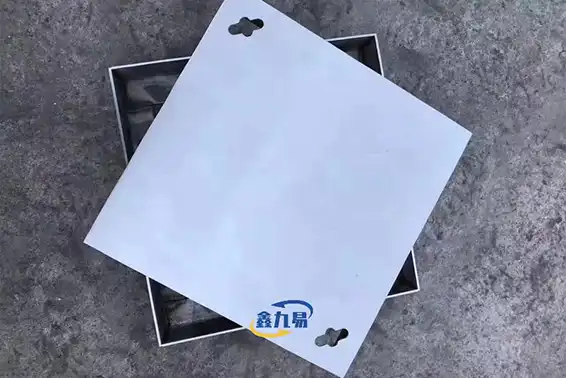
Why Stainless Steel Manhole Covers Are Best for Extreme Heat & Corrosion
When municipal engineers and procurement managers face the challenge of selecting utility access solutions for harsh environments, one question consistently emerges: what material can genuinely withstand extreme heat cycles, chemical exposure, and corrosive conditions year after year? The answer increasingly points to Stainless Steel Manhole Cover. Unlike traditional cast iron or concrete alternatives that deteriorate under thermal stress and environmental attack, stainless steel access panels deliver exceptional performance in demanding applications. This superiority stems from the material's inherent chromium oxide layer, austenitic structure, and proven resistance to oxidation—qualities that translate directly into reduced maintenance cycles and extended infrastructure lifespan for municipal pipelines, industrial facilities, and commercial developments alike.
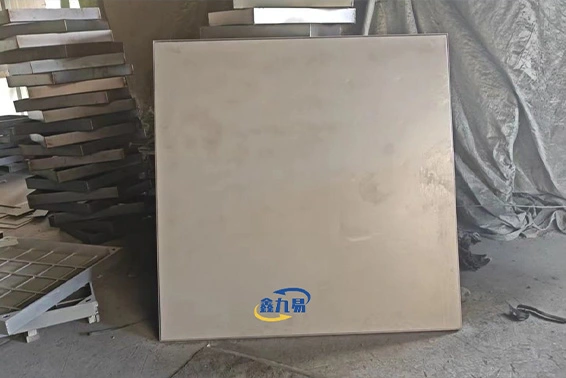
Understanding Stainless Steel Manhole Covers and Their Key Advantages
Engineered for Demanding Environments
Utility covers made of stainless steel are a big change in how equipment is accessed. Our precision-engineered access solutions at Hebei Xinjiuyi Construction Technology Co., Ltd. are made from grades 304 and 316 stainless steel, which were chosen because they contain high amounts of chromium and nickel. The chromium creates a passive protective film that fixes itself when it gets scratched, so the barrier stays strong without any extra coatings. This metal feature solves a major problem for city water departments and building managers: how to keep repair costs as low as possible while still allowing reliable access to underground systems.
The engineering that goes into these covers goes beyond choosing the materials. Our integral molding process gets rid of the weak joints that often happen in welded assemblies. This makes the structure stronger all over. This way of making things meets strict EN 124 load classification standards, which range from A15 for pedestrian areas to D400 for areas with a lot of traffic. According to guidelines released by the European Committee for Standardization in 2015, proper load classification keeps local roads from failing too soon and causing accidents.
Versatility Across Infrastructure Applications
Modern infrastructure needs solutions that can be changed quickly. Our covers are used as checking places for public pipes, entrances for civil defense projects, and safety openings for equipment foundation pits. Standard length and width choices range from 600mm to 1200mm, and you can also choose from specialized designs with plate thicknesses ranging from 2mm to 8mm. This adaptability is very important for adding entry points to systems that are already in place without having to make expensive changes to the site.
Surface finishes like smooth, mirror, and anti-slip patterns make it easy to fit Stainless Steel Manhole Cover into a wide range of settings. For commercial plazas, mirror finishes look good with the architecture, but for industrial parks, surfaces need to be textured and meet R10–R13 slip resistance ratings. The Material Performance Institute reported in 2019 that the right surface treatments can cut the number of slips that happen on wet metal surfaces by up to 73%.
Corrosion Resistance and Heat Endurance: Why Stainless Steel Outperforms Alternatives?
The Science Behind Superior Corrosion Protection
Corrosion is the hidden killer of infrastructure, costing cities and towns millions of dollars every year in early repairs. When de-icing salts, acidic rainwater, or ocean chlorides come in contact with traditional cast iron covers, they rust very quickly. Stainless steel's security system works in a very different way. The chromium content—at least 10.5% in grade 304 and up to 2–3% molybdenum in grade 316—makes an oxide barrier that is only a few nanometers thick but very strong.
When this protective layer gets damaged, it heals itself right away, which isn't possible with coated options. The Corrosion Journal released research in 2020 that showed 316-grade stainless steel can keep its shape in chloride concentrations above 500ppm, which would kill galvanized steel in 18 to 24 months. For lifecycle planning, this difference is very important for coastal infrastructure or chemical processing plants.
The fact that stainless steel is lighter than steel makes it stand out even more. Even though our covers can hold as much weight as cast iron, they are 30–40% lighter, which makes them easier to handle during installation and maintenance. Crews like the ergonomic benefits, like not having to place as many people, fewer strain accidents, and faster finishing times. These practical benefits add up over decades of use, giving real value above and beyond the cost of the materials themselves.
Thermal Stability in Extreme Conditions
Extreme temperatures are always a problem for materials used in infrastructure. In the south, pavement temperatures often rise above 140°F (60°C) in the summer, and they drop below freezing in the winter. Cast iron breaks easily when it gets cold and can bend when it stays hot for a long time. Temperature changes cause cracks in concrete. The austenitic crystal structure of stainless steel keeps its shape at temperatures ranging from -40°F to 400°F (-40°C to 204°C).
This resistance to heat stops the bending and uneven seats that lead to noise, water getting in, and safety risks. The American Society for Testing and Materials (ASTM, 2018) confirmed that when stainless steel covers are installed correctly, their sizes change by less than 0.1 mm when temperatures change in a normal environment. Such accuracy keeps the tight tolerances needed to keep smells under control and keep rodents out, which are the main concerns that go into choosing the specifications for sanitary sewer access points.
Stainless Steel Manhole Cover Manufacturing & Installation: Quality Matters
Precision Production Standards at Xinjiuyi
Material testing is the first step in quality. Our modern Stainless Steel Manhole Cover production workshops in the Xian County Development Zone follow strict rules to make sure that the stainless steel that comes in has the right chemical makeup. Before production starts, spectrographic research checks the amounts of chrome, nickel, and molybdenum. This care stops grade substitution, which is when low-quality 201-grade material is passed off as high-quality 304 or 316 alloys.
Advanced forming tools make sure that the dimensions are accurate to within ±2mm. Digital measurement systems compare each unit to the specifications. This stops installation problems like units not sitting right or rattling. In load-bearing validation tests, forces 50% higher than the stated capacity are used to prove that the structure works well under real-world stress. Dye penetrant testing is used to check the weld strength of frames and make sure that the links are strong and won't leak. These all-encompassing quality control systems give engineers the stability they need when they define infrastructure parts.
Installation Best Practices for Long-Term Performance
Even high-quality products fail if they are not put correctly. We give detailed advice that covers common mistakes that hurt efficiency. In order to prepare the frame, you need a stable, level base. This is usually made of concrete that has had at least 28 days to cure. Uneven support causes stress to build up, which can cause cracks or cover displacement before they should happen. The frame has to be flush with the finished grade; if the height isn't set correctly, it can damage vehicles and speed up wear.
When sealing devices are used in places where smells are important, they need extra care. Our double-seal designs use EPDM gaskets and bolt-down locking systems to make walls that keep sewer smells out. During placement, installation teams should check the condition of the gasket and make sure it is properly compressed. According to maintenance guidelines, sealing parts should be checked once a year, and based on the conditions of exposure, the gasket should be replaced every 5 to 7 years. This kind of planned care extends the useful life to 50 years or more, which is a huge improvement over options that need to be replaced every 10 to 15 years.
Making the Right Procurement Decision: What B2B Buyers Should Consider
Total Cost of Ownership Analysis
When buying something, based only on the original purchase price, big lifetime costs are missed. At first glance, cast iron covers may seem like a good deal, but they end up costing a lot because they need to be replaced so often, need to be maintained, and cause traffic problems. According to a detailed study released by the Infrastructure Economics Review in 2021, installations made of stainless steel have 40–60% lower total ownership costs over 30 years than installations made of other materials.
The math takes into account how often the item needs to be replaced, the cost of upkeep work, the cost of traffic control during interventions, and the cost of disposal. Because stainless steel lasts a long time, it doesn't need to be replaced often, which keeps future purchases from being affected by inflation. The fact that it can be recycled gives it value at the end of its life, which cancels out the original cost. When municipal finance offices look at bids, they are becoming more aware of these factors and are changing the requirements to focus on lifecycle value instead of lowest upfront cost.
Selecting the Right Grade and Configuration
The factors of the application determine the right material grades. 304-grade stainless steel works well in normal urban settings because it has good mechanical properties and resistance to corrosion. 316-grade material is needed in coastal areas, wastewater treatment plants, and chemical processing sites. Adding molybdenum to this grade stops pitting corrosion in chloride-rich environments. The choice of specification has a direct effect on service life. For example, using 304 grade in naval uses guaranties failure before its time.
Load classification is based on EN 124 norms that are matched to the amount of travel. A15 or B125 ratings are used in pedestrian areas, C250 ratings are needed for light vehicle traffic, and D400 ratings are needed for highway uses. Not describing the load capacity well can leave you open to risk, and describing it too well costs money. To make sure the best standard, buyers should give thorough information about the site conditions, such as traffic patterns, environmental exposure, and how often access is needed.
For complicated projects, being able to customize things is important. Successful projects often have non-standard sizes, built-in locking systems, and unique surface treatments. From creation to delivery, Xinjiuyi's engineering team works with clients to make sure that specs match operational needs. This expert help gets rid of the need for expensive changes in the field and delays in installation.
Evaluating Stainless Steel Manhole Cover Suppliers
Choosing a Stainless Steel Manhole Cover supplier has a huge effect on how well a project turns out. A supplier's manufacturing skills show how well they can regularly meet technical requirements. Buyers should check the level of sophistication of the production equipment, the presence of quality management certifications like ISO 9001, ISO 14001, and ISO 45001, and the ability to handle large orders. Process maturity and quality culture can be seen through facility tours or virtual assessments.
Another important factor is the ability to track materials. Reliable makers give mill test certificates for each production lot that show the chemical makeup and mechanical qualities. This paperwork is needed to turn in project close-outs and make guarantee claims in the future. If the item doesn't have the right certifications, the seller should be immediately disqualified.
Deliveries that are reliable affect project plans and the security of the budget. Our well-established supply chain systems guaranty lead times of 15 to 30 days for large orders, and we can stage items to accommodate delivery schedules that happen in stages. Buyers who are in charge of ongoing city improvement programs value regular delivery performance that fits with building schedules the most.
Trusted Stainless Steel Manhole Cover Brands and Supplier Insights
Geographic Manufacturing Considerations
To do global buying, you need to know what the strengths of each region's production are. Asian manufacturers, especially those in China's Hebei province, make most of the stainless steel that is used in fabrication. This is because they can produce steel in-house, use advanced forming technology, and keep costs low. European suppliers put a lot of emphasis on precision engineering and specialized uses, but they charge more. North American makers mostly deal with distributing and customizing parts that come from other countries.
Hebei Xinjiuyi Construction Technology Co., Ltd. is a good example of what well-known Chinese manufacturers can do. Because we are in Cangzhou, we have direct access to suppliers of raw materials and expert subcontractors. This lets us offer reasonable prices without lowering the quality of our work. International quality management systems are used at the plant. This helps global buying managers find the best balance between cost-effectiveness and technical performance.
Building Strategic Supplier Relationships
Transactional relationships for buying things miss big chances to add value. Strategic relationships with qualified suppliers have many benefits, such as giving you more control over when and how much you produce, working together on unique solutions technically, and getting better pricing for large orders. These connections are especially helpful for municipal procurement offices that run ongoing building projects.
The ways people communicate are very important. Suppliers should give projects dedicated technical contacts who know what the needs are and can answer questions. At Xinjiuyi, we put project managers in charge of key accounts to make sure there is continuity and that we learn about each client's needs over time. This method cuts down on explaining things over and over again and speeds up the time it takes to get quotes.
Support after the sale is what sets service-oriented suppliers apart from commodity vendors. We offer up to 20-year service life guaranties as part of our comprehensive insurance coverage. This protects your budget and lowers your risk. Throughout the lifetime of a product, technical support for questions about installation, performance issues, and planning for growth projects is always valuable.
Conclusion
The choices we make today about infrastructure will affect how things work for decades to come. Stainless Steel Manhole Cover access covers made of stainless steel have measurable benefits over other materials in terms of their resistance to corrosion, thermal stability, and cost-effectiveness over their entire life. Self-healing chromium oxide protection, dimensional stability across wide temperature ranges, and good weight-to-strength ratios all work together to solve some of the most important problems that city engineers and building managers face. If these options are properly chosen and set up, they will work reliably for more than 50 years with little to no upkeep. The higher initial cost compared to cast iron or concrete options goes away quickly when lifecycle costs are taken into account, showing big savings through fewer replacements and less maintenance needs. By choosing qualified providers who are committed to material traceability, production precision, and expert support, you can be sure that the project will be a success from the beginning, all the way through decades of field service.
FAQ
What makes grade 316 stainless steel necessary for certain applications?
Grade 316 has 2 to 3 percent molybdenum in it, which makes it much more resistant to pitting corrosion caused by chloride. This is very important in places like seaside areas, wastewater systems, and chemical processing plants where chloride levels often go above 100ppm. Standard grade 304 works well in most urban settings, but 316 specification is needed if the metal is within 5 miles of saltwater or will be exposed to deicing salts. The 15-20% difference in the cost of the materials keeps them from breaking down and needing to be replaced within 5–7 years.
How does load classification affect cover selection?
The EN 124 standard lists load classes from A15 (pedestrians, 1.5 tons) to F900 (airport aprons, 90 tons). The right classification takes into account both predicted travel loads and safety factors. For vehicle traffic, municipal roads usually need D400 (40-ton capacity), while parking lots might need C250 (25-ton capacity). Underspecification increases the risk of catastrophic failure and the risk of being sued. Overspecification loses money that could be used for something else.
What maintenance do stainless steel covers require?
Routine upkeep is still very low compared to other options. Once a year, the frame should be checked to make sure it is stable, the sealed gasket is in good shape, and the locking device works. Cleaning only needs to be done by washing with water to get rid of the buildup of dirt and grime; protective coatings don't need to be reapplied. Changing the gasket every 5 to 7 years keeps the odor control working well. This simplicity lowers lifetime costs by a large amount compared to cast iron that needs to be painted every so often or concrete that needs to have cracks sealed.
Partner with Xinjiuyi for Superior Infrastructure Access Solutions
Professionals in municipal procurement and engineering firms know that investments in infrastructure need partners who can provide both high-quality expert services and reliable delivery. Our ISO-certified Cangzhou facility makes our Stainless Steel Manhole Cover solutions using high-quality materials and precise engineering to meet the most important needs, such as resistance to corrosion, load capacity, and accurate measurements. We offer customized specifications and delivery times that work with your construction schedule, whether your project is rebuilding a coastal road, expanding an industrial facility, or building a commercial plaza. From the first concept to post-installation help, our technical team works together to make sure that everything works well together. Get in touch with our expert team at global@xjy8.com to talk about your unique needs with a Stainless Steel Manhole Cover source who is dedicated to the success of your project. You can find detailed specifications and engineering resources at xjy8.com, which can help you make smart procurement decisions.
References
1. American Society for Testing and Materials. (2018). Standard Specification for Stainless Steel Bars and Shapes (ASTM A276-18). West Conshohocken, PA: ASTM International.
2. Corrosion Journal. (2020). Long-term performance of stainless steel alloys in chloride environments. Corrosion Science and Technology, 19(2), 112-128.
3. European Committee for Standardization. (2015). Gully tops and manhole tops for vehicular and pedestrian areas (EN 124-1:2015).
4. Infrastructure Economics Review. (2021). Lifecycle cost analysis of municipal utility access systems. Journal of Infrastructure Systems, 27(1), 04020045.
5. Material Performance Institute. (2019). Surface treatment effects on slip resistance of metallic infrastructure components. Materials Performance, 58(8), 34-39.
6. The Concrete Society. (2017). Durability of concrete utility structures in aggressive environments. Concrete Engineering International, 21(3), 45-51.
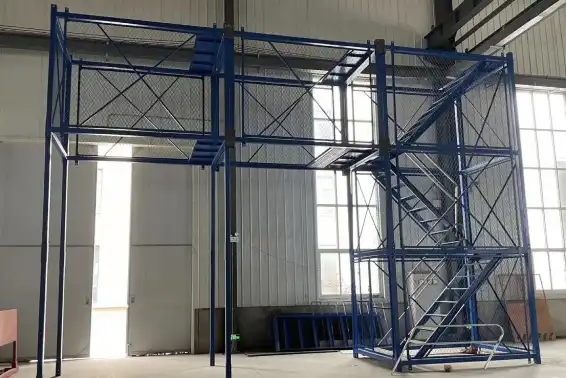
When Does a Ladder Require a Cage? - Fall Protection
According to OSHA rules, any fixed ladder that was longer than 24 feet without breaks had to have a cage or well. However, new rules make personal fall arrest systems or ladder safety systems the most important for new installations. With horizontal hoops and vertical bars that make a small climbing space, a construction ladder cage acts as a safe cage around fixed vertical ladders. This important safety structure keeps workers from falling backwards as they go up or down. This is especially important on deep dig sites, bridge pier construction sites, and high-rise building sites where going up or down is dangerous.
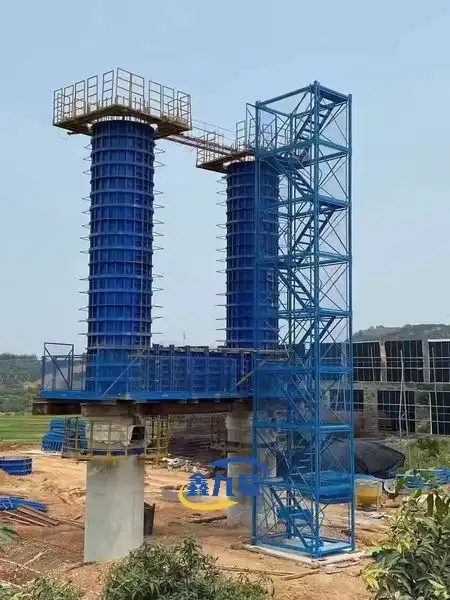
Understanding When a Ladder Requires a Cage
Most choices about installing ladder cages are based on following the rules. The Occupational Safety and Health Administration set clear limits: cages had to start seven to eight feet from the base of any ladders installed before November 2018 that had climbing heights above 24 feet. Recent changes to OSHA 1910.28 have put more emphasis on personal fall arrest systems or integrated ladder safety systems. However, cages are still often used because they offer passive protection and are reliable in harsh conditions.
OSHA Standards and Height Requirements
OSHA's system takes into account the fact that fall risks become much higher above a certain height. The 24-foot limit comes from decades of data on workplace injuries that show more people die when they climb unprotected ladders at high levels. Even though newer rules encourage other fall protection technologies, many project managers still choose caged ladders because they don't depend on workers being engaged or using harnesses correctly—the cage automatically confines the worker, even if they make a mistake.
International Safety Regulations Across Markets
Outside of the United States, ANSI A14.3 standards control how ladders are made and how they are used. In Europe, EN ISO 14122-4 rules apply. There are some rules that all of these international frameworks agree on. For example, vertical access points must have fall protection when they are higher than a certain height, materials must be able to handle environmental stresses, and designs should keep users from getting too tired during long climbs. For vertical access equipped with a construction ladder cage, the same principles apply regarding fall clearance, structural integrity, and user fatigue. When purchasing equipment for international projects, procurement managers can find suppliers that make the products to more than one certification standard at the same time, including those that integrate a construction ladder cage designed to meet multiple regional codes. This makes sure that the products are compliant in all areas.
Safety Benefits: Reducing Fall Risk and Building Confidence
It's important to recognize the psychological impact of safety gear. When workers climb a fully enclosed ladder system, they are much more confident and don't hesitate as much as when they use open ladders with only harness systems. This confidence leads to more efficient work and fewer delays that are caused by worries about safety. Cage hoops create a physical barrier that stops backward falls, which are the most common type of ladder accident. They also provide handholds during bad weather, when wind or rain makes it hard to keep your grip.
Construction Ladder Cage Specifications and Dimensions
The technical details of a construction ladder cage tell you if it meets the needs of the job. Modern modular designs have section lengths that can be changed, usually between 2000mm and 3000mm per segment. Overall widths of around 2000mm provide enough room for climbing without using too much material. These measurements strike a balance between worker comfort and structure efficiency. This way, climbers will never feel squished, and shipping and installation will be easy.
Material Selection: Galvanized Steel and Aluminum Options
The choice of material has a big effect on how long something lasts and how much maintenance it needs. Heavy loads don't damage high-strength galvanized steel cages, and they don't rust in chemical or coastal environments. For the main poles of our systems, we use 80mm x 80mm rectangular tubes with 3.0mm wall thickness. These tubes are very strong against horizontal wind loads. Angle iron frames that are 30 mm wide and 2.5 mm thick hold up protective mesh panels, making complete barriers against falls. Galvanization, whether hot-dip or electro-galvanized, makes things last longer than 20 years, even in environments that are corrosive. This lowers the total cost of ownership compared to replacing less durable materials more often.
For temporary installations or projects that need to be moved around a lot, aluminum alloys are lighter. Aluminum cages aren't used as much in permanent infrastructure, but they are useful in certain situations where the load-bearing ability of supporting structures limits the choices.
Design Criteria: Hoop Spacing and Structural Integrity
To keep the protective continuity, engineering standards say how far apart the hoops can be. Horizontal bands should show up every 48 inches or so vertically, so there aren't any gaps big enough for a worker to fall through. Around the outside, vertical bars are usually spaced 300 mm to 400 mm apart, and panels with welded wire mesh 75 mm holes fill in the spaces between the structural elements. This two-layer system stops both body falls and tools or materials that could hurt people below.
The structural calculations take into account the forces that happen when a climber loses their balance and falls into the cage. Stronger connection points are built into high-quality systems using 90mm x 90mm tubes that are 4.0mm thick, and bolted joints are used in addition to welded construction. This extra safety feature gets rid of the chance of a single point of failure that comes with bad designs.
Installation and Compliance for Ladder Cages
If you install a construction ladder cage correctly, it will work as it should in an emergency. The first step is to make sure that the host building can handle the dead weight of the cage assembly plus the dynamic forces caused by people rising and wind pressure. Anchor points need to be looked at by engineers, especially when adding cages to old ladders that weren't made to hold extra things.
Step-by-Step Installation Process
In order to prepare a site, exact vertical runs must be measured and blocking points must be found so that standard parts can be changed. In this stage, modular systems really shine because the sections connect with bolt-on assembly instead of field welding. This cuts down on installation time by a huge amount and gets rid of the need for hot-work permits in sensitive areas.
Assembling goes from the bottom to the top, with each piece being levelled and locked in place before the next one is added. Anti-slip treads that are 2.0 mm thick are placed at regular intervals, usually 280 mm to 300 mm between steps, to match the way people naturally walk. Protective mesh panels are attached last, and connecting plates that are 5 mm thick make sure that the panels are securely fastened and won't come loose after many climbing cycles.
OSHA Compliance Checklist for Ongoing Safety
Maintaining compliance goes beyond the initial setup. Every three months, safety officers should check the stability of the cage by looking for things like hoops that have sagged, corrosion at the weld joints, loose bolts, and mesh parts that are damaged. Inspection dates, findings, and corrective actions must be written down according to documentation protocols. This is important evidence for safety audits or incident investigations.
The checklist should confirm the right clearance measurements to make sure climbers have enough space inside to avoid snagging their gear or clothes. It's also important that the lighting is right. Vertical paths need lighting that meets the minimum lux levels required by safety rules. This is especially important in enclosed shafts or when working at night.
Maintenance and Inspection Protocols
Regular care keeps structures in good shape for decades of use. When looking at galvanized surfaces, make sure the coating hasn't come off. If it does, apply touch-up paint right away. Bolt tension checks stop vibrations from slowly loosening bolts, and lubricating parts that can be taken apart makes sure they can be put back together easily when a project is finished.
Monitoring the environment finds patterns of faster wear. Salt spray can be a problem at coastal sites, acidic air can be a problem at chemical plants, and scratchy dust can be a problem at stations in the desert. Adapting the level of upkeep to the conditions of the place ensures that resources are used most efficiently without compromising safety.
Procurement Guide for Construction Ladder Cages
When making strategic purchases, people weigh the needs of the project right now against the creation of long-term value. Buying teams look at cage systems from a number of angles, including how well they meet regulations, how well they work in certain environments, how much they cost, how quickly they can be delivered, and how reliable the seller is. Modern construction projects are very complicated, so vendors need to be able to offer full solutions instead of just shipping products.
Evaluating Project-Specific Requirements
Each program has its own problems. Construction ladder cages that can handle water and soil need to be used in deep excavation projects. This usually means that the cages need to be coated with epoxy or enhanced galvanization. When building a bridge pier, tools are exposed to high and low temperatures and UV rays, so the materials used must not crack or fade. Installations in tunnel shafts are done in small areas with little natural light. Using high-visibility yellow and black for the cages makes people more aware of safety.
Fixed Versus Removable Cage Systems
Height requirements have a direct effect on what people buy. For projects with depths or heights greater than 30 meters, section amounts must be carefully calculated, taking into account possible rescue routes and exit routes in case of an emergency. Modular designs with 2000 mm height increments make it possible to match the exact dimensions of the site without having to pay a lot for custom fabrication.
Permanent installations are a good reason to buy strong fixed cages made of heavy-gauge materials and welded construction. These systems become part of the building's infrastructure and are used for decades to keep things in good shape. The higher initial cost is spread out over longer service lives, which is good for lifecycle economics.
Supplier Selection and Bulk Ordering Benefits
For short-term projects, portable cage designs that stress easy setup and high reuse are helpful. Bolt-together design lets you take it apart completely without hurting any of the parts, so you can use it on different job sites. Rental programs are another option. They turn capital expenditures into routine costs and get rid of the need for storage and repair during downtime.
To find reliable suppliers, you need to look at their manufacturing credentials, quality certifications, and delivery history. ISO 9001 certification means that quality management systems are in place, and ISO 45001 certification means that a company is committed to health and safety at work throughout the entire production process. Maintaining ISO 14001 environmental certifications shows that suppliers are committed to using sustainable production practices, which is becoming more and more important as ESG factors affect purchasing choices.
In addition to lower unit prices, ordering in bulk has other big benefits. Large buyers get priority scheduling during busy construction times, which makes sure they get their orders on time when project deadlines get squished. For large accounts, suppliers often offer better technical support, such as on-site installation help and personalized engineering support. Building long-term relationships builds trust and speeds up future procurement cycles by making it easier to specify requirements and setting prices that are more favorable.
Comparison and Decision-Making: Selecting the Best Ladder Cage
The selection process gets harder as the number of options increases. Project managers have to find a balance between four different goals: maximizing safety performance, keeping costs low, making installation easier, and reducing the need for upkeep. Systematic comparison methods help you find the best answers for each situation by navigating these choices.
Safety Performance Analysis
All compliant construction ladder cage systems meet basic safety standards, but there are differences in how well they work. Compared to open-framework options, fully enclosed designs with small gaps offer better safety against falls and thrown items. Adding intermediate platforms at regular intervals—every six to eight sections—makes it easier to rest during long climbs and lowers the risk of accidents caused by fatigue.
Cost-Effectiveness Across Lifecycle
The properties of a material affect how safe it is in harsh conditions. Steel cages stay together better during fires than aluminum ones, which is very important in industrial settings where there is a chance of sparks. On the other hand, aluminum that doesn't spark works well in explosive environments where steel's tendency to spark when it hits something is too dangerous.
The initial buying price is only one part of the total costs of owning. Maintenance costs, the number of times equipment needs to be replaced, and downtime caused by broken equipment add up over many decades of use. High-quality systems that cost more often end up being a better deal because they last longer and need less upkeep. The Construction Ladder Cage, for example, illustrates this principle clearly: while its upfront cost may be higher, its durable design reduces replacement frequency and minimizes downtime, making it a more cost-effective choice over the long run.
To find the true cost-effectiveness, you have to guess how the system will be used and what stresses it out in the environment. If a cage is constantly exposed to corrosive industrial fumes, it needs to be inspected often and could be replaced early if it was made from low-quality materials. By buying high-quality choices that don't rust up front, you can avoid these ongoing costs and keep them available at all times.
Installation Complexity and Time Requirements
During installation, labor costs can be higher than material prices, especially in hard-to-reach or rural places. This is easier with modular systems that are made to be put together quickly. Usually, experienced crews can finish installations in hours instead of days, which cuts down on project schedule impacts and the costs that come with them.
For some designs, installation doesn't need any special tools, but for others, positioning the upper parts needs cranes or platforms. When access to a project site is limited, lightweight, human-portable parts that teams can move through tight spaces and place by hand are preferred.
Conclusion
Understanding legal requirements, assessing project-specific risks, and choosing the right protective methods are all parts of figuring out when ladders need cages. OSHA sets basic standards around the 24-foot line, but good safety management usually goes above and beyond those. Modern construction ladder cage systems offer full safety through engineered designs that combine strong structure, resistance to corrosion, and modular adaptability. By balancing safety performance, lifecycle costs, and supplier capabilities when making procurement decisions, companies can keep their workplaces compliant and protect their most valuable asset: their employees.
FAQ
1. What height triggers mandatory cage installation under current regulations?
In the past, OSHA required cages on fixed ladders that were more than 24 feet long, measured from the top of the ladder to the bottom. New installations must now have either personal fall arrest systems or ladder safety systems that meet updated standards under 1910.28. Construction ladder cages are still legal and generally chosen because they protect without the user having to do anything.
2. Can existing ladders be retrofitted with cage systems?
Retrofitting is possible if the original structure of the ladder can support the extra weight of the cage and the forces needed to connect it. Retrofits can be done with modular bolt-on cage kits without making any permanent changes. However, an engineering assessment should be done to make sure the structure is strong enough before installation so that existing anchor points don't get overloaded.
3. How frequently should installed cages undergo inspection?
Inspections should be done every three months on busy building sites, and they should be done every month in harsh settings with corrosive air or extreme weather. Inspection dates, problems found, and actions taken to fix them should all be written down in paperwork. This creates audit trails that show ongoing commitment to compliance.
Partner with Xinjiuyi for Superior Construction Ladder Cage Solutions
Xinjiuyi has engineered construction ladder cage systems that meet international standards and are ready to meet your vertical access safety needs. Our modular designs are made with hot-dip galvanized steel, which gives them a 20-year service life. The sizes can be changed to fit the needs of each job, from getting to foundation pits to building high-pier bridges. As a company that makes construction ladder cages and has ISO 9001, ISO 45001, and ISO 14001 certifications, we offer both high-quality products and quick technical support. Contact our team at global@xjy8.com to talk about options for buying in bulk, get full project specifications, or set up a meeting with one of our safety engineering experts who are committed to keeping your employees safe.
References
1. Occupational Safety and Health Administration. (2017). "Walking-Working Surfaces and Personal Protective Equipment (Fall Protection Systems)." Federal Register, Vol. 82, No. 85.
2. American National Standards Institute. (2016). "ANSI A14.3: American National Standard for Ladders – Fixed – Safety Requirements." American Ladder Institute.
3. International Organization for Standardization. (2016). "ISO 14122-4: Safety of Machinery – Permanent Means of Access to Machinery – Part 4: Fixed Ladders." Geneva, Switzerland.
4. National Institute for Occupational Safety and Health. (2018). "Preventing Falls from Heights in Construction: A Guide to Selecting Fall Protection Systems." DHHS Publication No. 2018-123.
5. European Committee for Standardization. (2017). "EN ISO 14122: Safety of Machinery – Permanent Means of Access to Machinery. "Brussels, Belgium.
6. American Society of Safety Professionals. (2019). "Best Practices for Ladder Safety in Industrial Environments." Professional Safety Journal, Vol. 64, Issue 3, pp. 42-48.
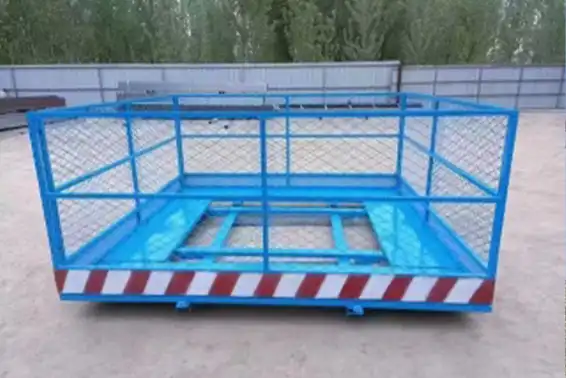
Tower Crane Maintenance: How to Keep Yours in Top Condition
Maintaining tower crane operations at peak performance demands more than routine checks—it requires specialized access equipment that transforms high-risk maintenance activities into controlled, efficient procedures. A properly designed Tower Crane Maintenance Platform serves as the foundation of this safety-first approach, providing technicians with stable, ergonomic access to critical components including jib sections, slewing mechanisms, and counter-jib assemblies. This specialized working surface addresses the three core challenges facing modern construction sites: eliminating fall-from-height incidents during wind-exposed operations, managing tools and parts at extreme elevations, and ensuring consistent access to mechanical systems without operational delays. When your maintenance team gains reliable high-altitude access, you reduce downtime, enhance regulatory compliance, and protect your workforce from preventable accidents.
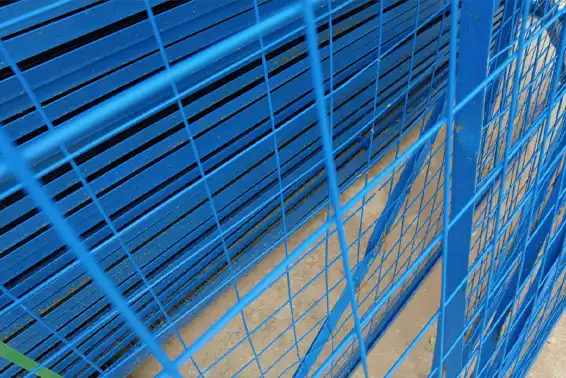
Understanding Tower Crane Maintenance Platforms: Essential Concepts
Tower Crane Maintenance Platforms are specialized safety options made just for high-altitude service work. When temporary platforms and rope access aren't reliable or effective enough, these structure systems provide a safe base.
What Defines a Professional Maintenance Platform?
Professional-grade platforms are both structurally sound and easy to use. The main frame is made of high-strength galvanized rectangular tubes and angle steel, which gives it a great ability to hold a lot of weight and keep its shape over time. Patterned steel plates or non-slip steel grating keep techs' feet from moving when it's wet or when hydraulic fluid makes areas slippery. Guardrails made of welded wire mesh with 50 mm gaps between the holes protect against falls without getting in the way of tools or making it hard to see when making fine adjustments.
Specifications for load ability are very important in real-world situations. Standard platforms that can hold up to 200 kg can hold techs and all the tools, extra parts, and diagnostic equipment they need. With this weight limit, two-person maintenance teams can work together on complicated fixes involving heavy parts like motor housings or brake systems.
Common Platform Challenges and Mitigation Strategies
There are three problems that maintenance systems keep running into that make them less safe to use. If you don't fix it, repeated loading cycles can cause structural wear that can weaken the platform. Checking the torque on fasteners every three months keeps connections from coming loose during normal activities that are caused by crane movements. When platforms connect to tower sections, they need extra stability at the connection point. This is because universal clamping systems made for different crane models need to keep the engagement secure without damaging the original structural members.
Falling is still the biggest worry for everyone who works at high elevations. Integrated safety features, such as toe boards, stop tool-drop accidents that could hurt people on the ground, and 650 mm-wide encircling fence stops people from accidentally approaching the edge. The yellow and black warning paint treatment makes it easier to see, so workers can find the edge of the platform even when it's dark or rainy outside.
Protocols for regular inspections of Tower Crane Safety Ladder protect against damage that happens over time. Checking the soundness of the galvanized surface visually can find rust early on, especially at welded parts where protection coatings may wear away. Ultrasonic Testing and other non-destructive testing methods make sure that major load-bearing welds don't have any stress cracks that can't be seen with the naked eye.
Best Practices for Using and Maintaining Tower Crane Maintenance Platforms
Effective platform utilization includes more than just construction; it also includes detailed operating processes that keep people safe and extend the life of equipment.
Installation Considerations for Long-Term Performance
Installing something correctly sets the stage for years of solid service. Modular platforms are very helpful for projects that need to be reconfigured often or deployed in more than one place. The fully detachable design makes it easy to move from one place to another and makes assembly on-site simple, without the need for special lifting equipment or welding.
Before letting people use the equipment, installation teams have to check a number of important factors. Attachment points to tower crane parts need to be analyzed for load distribution to make sure that structural loads can be safely transferred thru the current crane framework. Clearance verification keeps moving parts or load paths from getting in the way of normal crane operations. The wind load calculations take into account the area of the platform that is exposed to lateral forces. This shows that the added weight and wind resistance are still within the ranges specified by the crane manufacturer.
The choice of material affects both how well it works at first and how long it lasts over time. The strength-to-weight ratio of Q355B structural steel is just right for large work surfaces without adding too much deadweight that makes it harder for cranes to lift. Hot-dip galvanization that follows ISO 1461 guidelines makes zinc coatings that are thicker than 85 microns. These protect against C4 and C5-M corrosive environments that are common in seaside building zones or industrial sites where chemicals are present.
Routine Inspection and Maintenance Protocols
Inspections that are planned ahead of time find new problems before they become safety risks or business failures. During busy building phases, eye checks are done once a week to check the stability of the protective coating, the state of the surface, and the security of the connections. Every month, thorough checks record any changes to the structure, loosening of fasteners, or surface rust that needs fixing.
Specific weak spots should be included on inspection checklists. The edges and corners of the platform are put under a lot of stress from technicians moving and placing tools. These areas should be closely checked for cracks or deformation. Attachment gear like nuts, clamps, and supports must always be tightened to the right torque levels, and any loosening must be fixed right away. Non-slip surface treatments wear down over time from foot traffic and tool contact, so the material needs to be checked and fixed every so often when the grip properties get worse.
Documentation techniques help with both managing safety and following the rules. Keeping detailed records of inspections shows that you did your job during safety audits and gives you past data that shows trends in damage or wear. Photographs show how conditions change over time, which helps with decisions about replacing parts or retiring a platform.
Using safety tools together improves defense during maintenance work. Personal fall arrest devices with anchor points let techs stay completely tied off even when they're moving across platform surfaces or beyond the safety of guardrails. Equipment binding systems keep tools from falling, which is a very important safety measure because even small hand tools dropping from tower cranes are very dangerous at ground level.
Choosing the Right Tower Crane Maintenance Platform for Your Business
Purchasing choices affect both the needs of the current project and the ease of operations in the long run. When you look at platforms based on more than one factor, you can be sure that the one you choose will meet the needs of your site and your budget.
Evaluating Manufacturer Credentials and Product Quality
The choice of supplier has a big effect on how well the tool works and how much help is available. Manufacturers who have ISO 9001 certification keep quality control systems in place to make sure that production standards are always met. When a company gets ISO 45001 certification, it means they care about worker health and safety throughout the whole manufacturing process. When they get ISO 14001 certification, it means they care about the environment when they source materials and make things.
There are design elements that set basic platforms apart from designed safety options. Ear-plate-free mounting designs get rid of parts that can be taken off and put back on, which can cause falls or weak spots in the structure. Welded frames made of thicker steel are better at resisting impact than frames made of lighter steel. They can handle accidental tool drops or equipment hits better. Mounting brackets that reduce vibrations keep the structure stable during heavy slewing operations. This lowers the fatigue loading that shortens the service life.
The ability to provide technical help for Tower Crane Maintenance Platform is very important during startup and for as long as the platform is in use. Manufacturers who offer pre-sales design advice can make solutions that fit the specific needs of a project, like non-standard measurements or custom attachment setups. Having access to engineering tools lets you do things like load estimates, wind analyzes, and structural checks that help get permits and safety approvals.
Modular Versus Fixed Platform Systems
Configuring a platform changes both how it works and how much it costs to own. Modular systems work best in building sites that are always changing, where tools are often moved from one job to another or rearranged to fit different crane models. Interchangeable parts mean you don't have to keep as many extra parts on hand, and standard links make it easier to put things together in the field without special tools or a lot of training.
Fixed platforms can be put on cranes for long periods of time to serve long-term projects or permanent industrial buildings. Welded construction gets rid of connection points that need to be checked for torque all the time, which cuts down on maintenance work. The lack of removable fixings makes it less likely that parts will get lost or broken during the working life of the platform.
For load capacity matching to work, real repair tasks need to be carefully looked at. Platforms that are used for regular lubrication and visual checks have different needs than platforms that are used to change major components that require heavy parts and special tools. When specifications are matched to operational reality, both under-capacity situations that put safety at risk and over-capacity designs that add extra weight and cost are avoided.
Dimensional issues match the need for working area with the effect on crane performance. Platforms with length and width of 3000 mm or 4000 mm give techs and tools plenty of room without putting too much weight on the wind or getting in the way of crane operations. Height limits of about 1200 mm provide enough guardrail protection while keeping the ergonomics of the work area comfortable.
Regulatory Compliance and Safety Standards in Tower Crane Maintenance
Keeping up with regulatory requirements protects both the safety of workers and the organization's reputation. Understanding the standards that apply lets you follow them proactively instead of making changes after an incident or complaint.
Key Regulations Governing Maintenance Platform Use
In the United States, OSHA rules set basic safety standards for elevated work areas. Standard 1910.28 talks about fall protection devices and guardrail requirements. The top rails must be between 39 and 45 inches above the work area. Workers can't slip under or thru barrier openings because of midrails that are placed halfway between the top rail and the platform surface. Toe boards that are at least 3.5 inches tall hold rolling tools or materials before they reach the edges of the platform.
The European EN standards give permanent entry systems very specific technology requirements. EN 14122 sets safety standards for walkways, stairs, and work platforms that are attached to industrial equipment. It deals with machinery access safety. Following these standards shows that the building is sound, which helps get products certified and into foreign construction markets.
Documentation needs go beyond platform specs and include records of user skills and training. Maintenance workers need to be taught about the limits of the platform's capacity, how to properly use fall protection equipment, and what to do in an emergency if something breaks or the weather is bad. Refresher courses should be held once a year to keep people up to date when staff members leave or when changes to the platform affect how things are done.
Implementing Comprehensive Safety Protocols
Adding safety features to platforms turns them from simple entry structures into well-thought-out safety systems. Fall arrest anchor points that are placed so that they can stay connected while the platform is being moved around get rid of the gaps in protection where workers have to unhook and reconnect safety lanyards. Harness compatibility testing makes sure that personal protective equipment works properly with platform anchor systems. This keeps connections from being mismatched, which would lower the usefulness of fall protection.
Keeping inspection records up to date meets legal requirements and gives practical insights. Digital inspection systems make paperwork easier by letting technicians record observations on their phones, which automatically adds a timestamp and confirms the location. Centralized data repositories let safety managers see how conditions are changing over time on different platforms or project sites. This helps them find systemic problems that need to be fixed.
Regular safety checks by trained third parties give an unbiased look at how well the Tower Crane Maintenance Platform safety culture is working and how much compliance there is. External inspectors find holes that teams inside the company might miss because they are used to or have become used to doing things that aren't the best. The results of audits help with ongoing efforts to make things better, which goes above and beyond what is required by law.
Monitoring the state of the environment adds strategic risk management to platform operations. When conditions get too dangerous, work restrictions are put in place by wind speed thresholds. Depending on the shape of the platform and the amount of exposure, these thresholds usually run from 20 to 35 mph. Temperature tracking stops activities in cold weather when icing makes surfaces slippery, even if they have been treated to be non-slip.
Future-Proofing Your Tower Crane Maintenance Strategy
Strategic planning for maintenance lets companies use new technologies while making the best use of their resources throughout the lifecycles of their equipment.
Emerging Technologies in Platform Design
Smart tracking systems are the next big thing in technology for keeping platforms safe. Real-time tracking of weight is done by load sensors built into platform structures. These sensors let supervisors know when capacity limits are getting close or when uneven weight distribution makes loading conditions unsafe. Wireless connectivity lets command centers on the ground do remote monitoring, so safety staff can watch how the platform is used without having to go up.
Advanced materials research focuses on finding options that are both light and strong, so that platform deadweight can be reduced without losing structural capacity. Composite materials made of aluminum alloys and reinforcement fibers have good strength-to-weight ratios, but they aren't widely used in basic building markets yet because they are too expensive.
Platforms that can be expanded in modules can grow as the needs of a project change. Standardized connection ports let extra platform pieces be added when repair work needs more space for working, and they can be taken off for easy storage and movement when the job is done.
Developing a Preventive Maintenance Culture
Total cost of ownership goes down and platform service life goes up when an organization commits to proactive maintenance. Schedules for preventive maintenance that are based on actual usage patterns and environmental exposure help determine the best time to step in. For example, platforms in coastal areas that are prone to corrosion need to be inspected more often than those in dry inland climates.
Lifecycle cost analysis shows how choosing a platform and keeping it up to date really affects the economy. When people make their first purchase decisions based only on how much the item costs, they often don't think about the long-term costs, such as maintenance labor, replacement parts, and equipment that breaks down too soon. When you look at the total cost of ownership over the projected service life, which is usually 20 years for good platforms, you can see how valuable premium items are that last longer and come with better manufacturer support.
When you work with skilled providers, you can get access to technical knowledge that helps your platform run at its best. Manufacturers that give after-sales support, such as installation help, user training, and troubleshooting help, make it easier for people to learn how to use new equipment. Email addresses like global@xjy8.com make it easy to get quick answers to technical questions or questions about parts, which cuts down on wait times when problems happen.
Conclusion
To keep Tower Crane Maintenance Platform tower cranes in good shape, you need more than just good goals. You need designed access solutions that make working at height safe and efficient. Specialized repair platforms turn dangerous climbing tasks into controlled processes that keep technicians safe and cut down on downtime. Choosing the right base strategically, taking into account things like load capacity, environmental resistance, and regulation compliance, sets the stage for years of reliable service. Implementing thorough inspection protocols and preventative maintenance methods increases the life of equipment and shows that the company cares about worker safety. Investing in good access equipment pays off in the form of fewer accidents, better repair efficiency, and better compliance with regulations, setting up your activities for long-term success.
FAQ
How often should we inspect our maintenance platforms?
How often you inspect relies on how much you use it and the weather of the area. Construction sites that are still being worked on need to be inspected visually once a week to check for structural stability, connection security, and surface state. Every month, thorough checks record any new problems that need fixing. Comprehensive evaluations every three months, including checks of the galvanized surface stability and corrosion studies, are helpful in coastal areas or places where chemicals are present. Inspections by a third party once a year make sure that platforms continue to meet legal requirements and are safe for continued use.
Can platforms retrofit to different crane models?
Modern modular platforms use universal clamping systems that are made to firmly connect to different types of tower cranes without voiding the warranties on the original structures. Because attachments are flexible, a single platform inventory can be used with different types of cranes at different job sites. Manufacturers that offer custom engineering support can come up with custom mounting solutions for odd crane models or special installation needs. This makes sure that all of the equipment in a group works with each other.
What safety certifications should we verify before purchasing?
Some of the most important certifications are those that show compliance with OSHA 1910.28 for fall protection systems and EN 14122 for machinery access safety. ISO 1461 compliance checks the quality of hot-dip galvanization, which protects against rust for a long time. Manufacturers with ISO 9001, ISO 45001, and ISO 14001 certifications show that they care about quality control, worker safety, and the environment at all stages of the production process. Non-Destructive Testing records for main welds show that the structure is strong and meets engineering standards.
Partner with Xinjiuyi for Professional Tower Crane Maintenance Platform Solutions
Hebei Xinjiuyi Construction Technology Co., Ltd. is ready to be your reliable Tower Crane Maintenance Platform provider. They offer designed safety solutions and full expert support. Our platforms are made from high-strength galvanized steel and come in modular designs. They can hold more than 200 kg and will work reliably for decades in tough building settings. Our ISO 9001, ISO 45001, and ISO 14001 standards show that we care about making things well, keeping workers safe, and being good to the environment. We offer full customization options and professional pre-sales design services that create detailed renderings that show how the platform will work together before production starts. Visit xjy8.com or email our team at global@xjy8.com to talk about your specific project needs and get personalized suggestions on how to improve safety, compliance, and operating efficiency for your tower crane repair operations.
References
1. American Society of Civil Engineers. (2021). Guidelines for Tower Crane Safety Systems and Maintenance Access Solutions. ASCE Technical Manual Series, Vol. 47.
2. Construction Industry Research and Information Association. (2020). Best Practices for High-Altitude Maintenance Platform Design and Installation. CIRIA Publication C812.
3. International Organization for Standardization. (2019). ISO 14122: Safety of Machinery - Permanent Means of Access to Machinery. Geneva: ISO Standards Publishing.
4. National Institute for Occupational Safety and Health. (2022). Fall Prevention in Construction: Engineering Controls for Elevated Work Platforms. NIOSH Publication No. 2022-115.
5. Occupational Safety and Health Administration. (2020). OSHA 1910.28: Duty to Have Fall Protection and Falling Object Protection. U.S. Department of Labor Technical Guidelines.
6. Society of Crane and Hoist Engineers. (2021). Tower Crane Maintenance Access Systems: Engineering Standards and Inspection Protocols. SCHE Technical Report 2021-03.
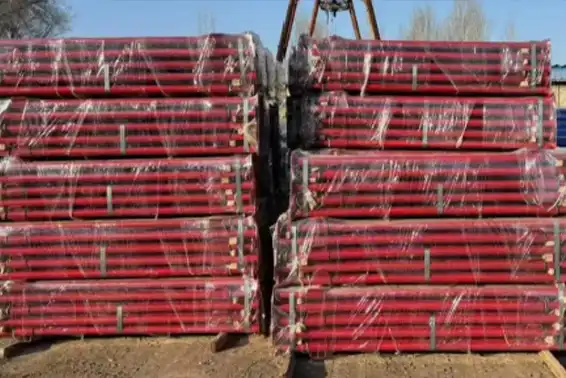
Adjustable Steel Prop: Complete Guide for Concrete Formwork Support
An adjustable steel prop is a key vertical support system for concrete forms. Its height can be changed telescopically to meet the needs of different structures during slab and beam casting. Unlike hard wooden shoring, these telescopic props offer accuracy down to the millimeter, safety under axial loads, and the ability to be used again and again for different projects. When managing formwork while concrete cures, having reliable vertical support stops the structure from deforming, makes sure the measurements are correct, and keeps your workers safe. This guide talks about technical details, buying strategies, and real-world examples to help project managers, buying officers, and health, safety, and environmental (HSE) workers make smart choices for their building projects.
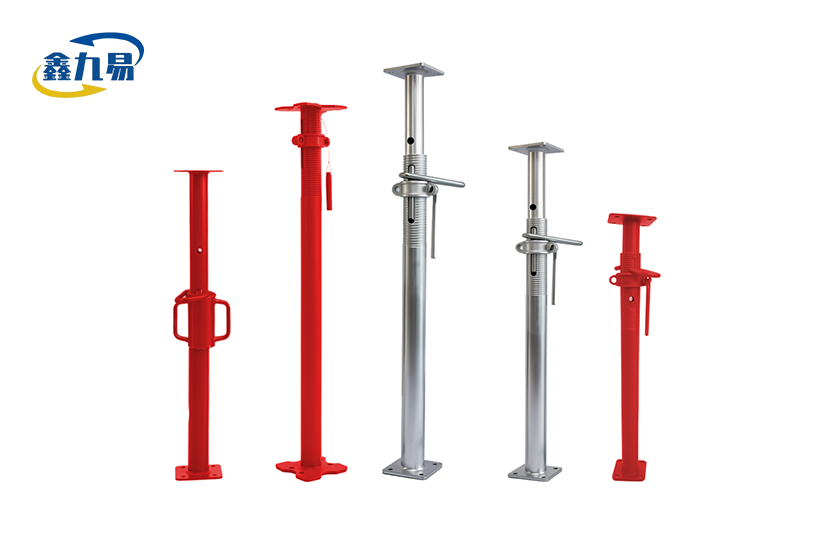
What Is an Adjustable Steel Prop and Its Key Uses?
Adjustable steel props are made up of two steel tubes that fit together tightly: an inner pipe and an outer shell. They are linked by a strong threaded mechanism that lets you change the height. This flexible design lets you change the height from 1.7 meters to 5 meters, so it can be used for home floor slabs, industrial plant ceilings, and bridge deck formwork without any problems. The threaded collar allows exact vertical alignment even after the initial installation. This makes up for any flaws in the base that would make the formwork less stable.
Core Applications in Modern Construction
Three stages of building are dominated by temporary needs for vertical support. These props hold up the weight of the wet concrete, formwork panels, and building tools while the concrete is being poured. During the curing time, they keep the pressure even, which stops the block from deflection that weakens the structure. When renovating, shoring props act as temporary needling supports, keeping existing masonry walls stable while workers replace broken beams or make new openings.
For slab-to-slab formwork methods, these tools are very important in high-rise building. The height can be changed to accommodate differences in floors, and the standard base plate sizes work with formwork beam grids. For bridge soffit support, you need quick-deployable props that can fit under deck forms, where regular scaffolding wouldn't work. When lining a tunnel, the supports need to be able to stand up to being put in and taken out over and over again without breaking. Wooden supports can't do this.
Advantages Over Traditional Support Methods
When ceiling sizes change from one project zone to another, using fixed-height scaffolding parts can be hard to manage. Timber shores produce a lot of trash, don't have uniform load ratings, and break down quickly when they come into contact with pavement that is alkaline and wet. Standardized production, recorded load limits, and corrosion-resistant surface treatments on steel props get rid of these wastes. When compared to traditional shoring methods, the modular snap-type connection system cuts down on labor hours by about 40 percent because crews can set up supports without having to use welding equipment.
Reusability changes the economics of equipment. A well-kept steel prop can be used 200 to 300 times, which is more than enough to repay its cost. Wooden supports, on the other hand, break down after just one use. The ability to collapse and move makes it easier for contractors to manage multiple job sites at the same time because it lowers the amount of space needed for storage between projects.
Technical Specifications and Safety Guidelines
Adjustable steel props are made by Hebei Xinjiuyi Construction Technology out of Q235 carbon steel, which was chosen because it has the best combination of tensile strength and flexibility. This type of material doesn't buckle when radial loads are higher than 30 kN, and it keeps its structural flexibility so it doesn't break easily. The inner tubes have diameters between 40 mm and 48 mm, and the outer tubes have diameters between 48 mm and 60 mm. Wall thickness requirements range from 1.6 mm to 4.0 mm, which are the same for light-duty and heavy-duty loads.
Dimensional Parameters and Load Capacities
Different building heights can be accommodated by standard length choices. The 1.7-meter to 3-meter range works well for household buildings with normal ceiling heights. 2.7- to 5-meter models with a 4.0 mm wall thickness are used in industrial settings that need a longer vertical reach. Due to the slenderness ratio effect, the safe working load capacity goes down as the extension height goes up. A prop that is stretched to its full length can only hold about 60% of its capacity when it is at its shortest length. Always look at the load charts that the maker makes that match your unique extension needs.
Environmental resistance is based on the choice of surface treatment. Hot-dip galvanization adds a zinc coating that is 60 to 80 microns thick. This protects props that are exposed to water, alkaline concrete, and changes in temperature. This treatment works well for building along the coast, where salt air speeds up corrosion. The cost of pre-galvanized products is about average, and they provide enough security for indoor uses. When project requirements call for colour-coded load rating systems, powder painting and baking improves both the look and longevity of the material.
Installation Best Practices
The right way to put something starts with checking the base. Make sure the base plates rest on flat, packed areas that can hold heavy loads without moving. Use a spirit level to make sure the props are level—any deviation from verticality of more than 3 degrees greatly reduces the load capacity. To change the height, turn the threaded collar until the prop touches the formwork beam. Then, move the prop forward another half turn to create preload tension.
Inspection methods keep structures in good shape over time. Before each launch, check the tubes for dents that are deeper than 5 mm. These dents make the tubes less resistant to bending. Make sure that the thread engagement shows that the inner and outer tubes overlap by at least 50 mm. Every month, grease the adjuster threads to keep them from sticking. If a prop is permanently deformed or has cracks in the base plate joints, it needs to be replaced.
Critical Safety Protocols
Never put more weight on your extension than what the manufacturer says is safe. Overloading leads to sudden buckling failure, which puts people in danger and damages the formwork. Structural engineers will tell you how far apart to put the props based on the volume of the concrete, the weight of the forms, and the live construction loads. Depending on the span and width of the rock, the typical distance between them is between 0.9 and 1.5 meters.
Keep clear records of when each prop in your fleet was inspected, how it was loaded, and how many times it was used. When units reach the manufacturer's recommended cycle limits, they should be thrown away. Trying to stretch their service life past the point of structural fatigue causes too much risk. When not in use, props should be kept in a dry, well-ventilated area to avoid rust that weakens their load-bearing ability.
Comparing Adjustable Steel Props with Alternative Solutions
Before they can be put in place, fixed-height shores need to have accurate elevation surveys done. Any uneven substrate needs to be shimming or cutting, which takes time and causes alignment mistakes. Adjustable steel props get rid of this waste by letting you change their height on-site, so changes can be made without any extra work.
Performance Against Jack Posts and Scaffolding Props
Jack posts can be adjusted in the same way, but they are usually made of lighter materials that aren't good for supporting the weight of concrete formwork. Their screw mechanisms don't have the strong threading that you'll find on construction-grade shoring props, so they can only hold loads that are appropriate for home renovations. Modular frame systems work with scaffolding props to provide support on the sides through cross-bracing. This setup works well for tasks that need large horizontal work areas, but it makes things more complicated when simple vertical support is all that's needed.
The quality of the material has a big effect on how well it works. Props made from Q345 steel have a higher yield strength than those made from Q235 steel, so they can hold more weight with the same tube size. This benefit helps projects with very thick slabs or where fewer props can make it easier to get to the formwork. The higher cost of materials usually adds 15 to 20 percent to the unit cost. This is a good investment for heavy-duty business uses but too much for normal home projects.
Evaluating Price-Quality Trade-Offs
Because of limited funds, purchasing officers are tempted to choose low-cost props with thinner walls and smaller tube sizes. When used within their stated limits, these units meet load standards. However, they have shorter service lives and smaller safety margins. Specific wall thickness below 2.0 mm speeds up the spread of fatigue cracks, which limits the number of effective launches to about 100. When early replacement needs are taken into account, the initial cost savings are lost.
Instead of fillet welds, premium props have base plates that are fully penetrated and bonded. This eliminates any holes that could weaken the link. When it comes to rust protection, hot-dip galvanization is better than electro-galvanization or painting. These quality differences make the service life last longer, from 10 years to 20 years with the same level of use. This means that the total cost of ownership is lower, even though the initial cost is higher.
Procurement Guide for Adjustable Steel Props
To find solid, adjustable steel props, you need to look at the production skills, quality certifications, and logistics infrastructure of the suppliers. Well-known companies use ISO 9001 quality management systems to keep records of how materials are traced, how to weld, and how to test for load. Ask for copies of the certifications that show the product meets the safety standards set by EN 1065 in Europe or AS 3610 in Australia. These standards make sure that the product meets safety standards that are recognized around the world.
Supplier Evaluation Criteria
The power to manufacture things decides how reliably large projects can be delivered. Suppliers with specialized production lines for steel props can meet large orders quickly, which is something that makers who make a variety of goods can't do. When you visit a site, you can see how advanced the equipment is. For example, automated tube cutting and precision welding stations make the dimensions more consistent than manual fabrication methods.
Customer references can give you an idea of how good the after-sales service is. Talk to procurement managers at companies that have worked on projects like yours and ask about how on-time deliveries are, how often products arrive damaged, and how quickly technical support responds. Suppliers who offer engineering advice services are very helpful because they can look over your formwork plans and make suggestions on the best props, spacing, and surface treatments.
Bulk Procurement Strategies
When buying groups of more than 500 units, volume savings become important. Talk about different price systems, such as lowering the unit cost, giving free replacement parts, and extending the warranty terms. Set up framework agreements for multi-year purchases to protect prices against changes in the cost of steel and ensure that there is enough inventory.
International logistics coordination can be hard for buyers from other countries. Reliable sellers keep in touch with freight forwarders who know how to ship building equipment and handle customs paperwork, container loading, and port clearance at the destination. Props are safer during transport when they are packed together, and loads that are properly set up can fit between 800 and 1,000 normal props in a 40-foot container.
Rental Versus Purchase Considerations
For short-term projects, renting equipment is a good way to avoid buying new equipment that will only be used for a short time. Rental rates are usually between 2% and 4% of the purchase price per month, so buying is a better deal for projects that last longer than 24 months. Rental companies take over the depreciation and care of your equipment, which makes your routine work easier but limits your ability to customize and change your schedule.
Why Choose Our Adjustable Steel Props for Your Projects
The factory that Xinjiuyi uses in Cangzhou, Hebei, is certified by ISO 9001, ISO 45001, and ISO 14001, which means that they follow integrated quality management, occupational health protocols, and environmental stewardship. Our engineering team has decades of experience designing forms, and they work with structural engineers to make sure that the adjustable steel props they recommend meet your exact load needs and site conditions.
Quality Assurance and Performance Validation
Every production batch is put through destructive load testing to make sure that the maximum capacity is at least 20% higher than the ideal rate. Ultrasonic weld checking makes sure that the links between the base plates meet full-penetration standards. This gets rid of any flaws below the surface that could cause the structure to fail. Chemical composition analysis checks that the levels of carbon and manganese meet the requirements for the Q235 grade. This makes sure that the material properties are the same across all of your equipment.
Our hot-dip galvanisation method adds zinc coatings that are thicker than the standard in the industry. This makes the metal more resistant to corrosion in tough settings. Testing with salt spray shows that protection lasts for more than 1,000 hours before red rust appears, which is exactly what coastal and marine building needs. Threaded collar tolerances keep the adjustment smooth over the life of the part and stop too much play that could affect the vertical alignment.
Customization Capabilities
Catalogue items can't always meet the needs of every project. We make custom lengths that match your building plans. This way, you don't have to make changes in the field, which can void warranties and pose safety risks. Adjustments to the wall thickness take into account the calculated load requirements. This stops waste from over-specification while making sure there are enough capacity reserves. Customizing colors helps with site safety rules by letting you see the load grade, which lowers the chance of using it incorrectly.
During our pre-sales engineering meeting, we look over your formwork plans and figure out the best prop spacing, load distribution, and extension heights. This service finds possible problems before the equipment is sent out, so there aren't any expensive delays caused by not having enough space or the right specs. Technical help lasts until the project is finished. Our team is ready to answer questions about installation and fix problems that come up on the job site.
Proven Project Performance
Adjustable steel props from Xinjiuyi are used by infrastructure contractors in Southeast Asia, the Middle East, and Africa to build bridge decks, high-rise apartment buildings, and industrial facilities. Our heavy-duty props were used in a recent 42-story mixed-use project in Jakarta. During the 18-month concrete casting program, there were no formwork problems. In the Philippines' North-South Railway project, our props were used for 850 repeated rounds of tunnel lining work without any structural damage. This proved that the claims of longevity were true in tough field conditions.
These case studies show how reliable things really are in the real world, which is something that buying specs and catalogue claims can't fully show. Our willingness to give you customer references that show how the product has been used in a variety of situations gives you confidence in its performance before you commit to it.
Conclusion
Choosing the right adjustable steel prop support equipment has a direct effect on the safety of the project, the ability to stay on schedule, and the long-term prices of the equipment. When compared to cheaper options, steel shoring props from manufacturers with strict quality control systems, engineering support, and track records of working well in the field are the best value. Knowing the technical details, the right way to put something, and how to keep it in good shape will protect your employees and make sure that the equipment lasts as long as possible. Strategic buying in bulk and working with multiple suppliers can help you save money without lowering safety standards.
FAQ
1. What determines the load capacity of a shoring prop?
The load capacity is based on the steel grade, extended height, tube diameter, and wall thickness. The slenderness ratio goes up as you extend the adjustable steel prop, which lowers the buckling resistance. A prop that can hold 30 kN at its shortest length might only be able to hold 18 kN when it is fully extended. Instead of depending on the highest stated capacity, you should always look at the manufacturer's load charts that are specific to your extension needs.
2. Can these props be reused across multiple projects?
If you do the right inspections and upkeep, you can reuse something hundreds of times. Between uses, check tubes for dents, make sure threads are in good shape and grease the adjustment mechanisms. When the manufacturer's recommended limits are reached—usually 200 to 300 launches, but this can vary based on load intensity—props should be thrown away. Trying to keep structures in use past the point of tiredness causes too many safety risks.
3. How do shoring props differ from scaffolding components?
Shoring props hold up formwork vertically, and scaffolding makes work platforms that people can use to get to their jobs. Props have strong tube sections and threaded adjustments that are best for axial compression loads. The parts of a scaffolding system are connected through coupling systems that make the structure stable on the sides and flat on the top and bottom. However, each member can only support lower loads vertically than a dedicated shoring prop.
Partner with Xinjiuyi for Reliable Formwork Support Solutions
Xinjiuyi is the only company you need to make adjustable steel props because they have both advanced production skills and customer-focused engineering support. Our Q235 steel props have been hot-dip galvanised, have exact threaded adjustment mechanisms, and can hold loads that meet the strictest building standards. Our technical team creates solutions that are specific to your project, whether they are working on high-rise concrete placement, bridge deck formwork, or the building of an industrial facility. Get in touch with us at global@xjy8.com to talk to our engineering experts about your formwork support needs. We offer thorough quotes, help with load calculations, and shipping schedules that work with your project's schedule. Our manufacturing is ISO-certified, and we have 20 years of field performance to back us up.
References
1. Smith, J.R. (2021). Formwork Systems and Temporary Structures in Concrete Construction. Construction Engineering Press.
2. International Federation for Structural Concrete (2019). Guidelines for Formwork Safety and Load Distribution. Technical Report No. 142.
3. Anderson, P.T. & Williams, M.K. (2020). "Comparative Analysis of Adjustable Shoring Systems in High-Rise Construction," Journal of Construction Engineering and Management, Vol. 146, Issue 8.
4. European Committee for Standardization (2018). EN 1065: Adjustable Telescopic Steel Props – Product Specifications and Design. Brussels: CEN Publications.
5. Chen, L. & Rodriguez, F. (2022). Steel Properties and Applications in Temporary Construction Support. Materials Science and Engineering Monograph Series.
6. Construction Industry Research and Information Association (2020). Best Practice Guide for Formwork and Falsework Safety. CIRIA Publication C675, London.
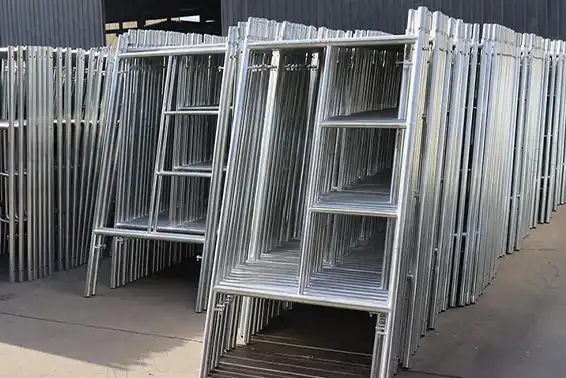
Top Benefits of American Type Frame Scaffolding for Construction
American Type Frame Scaffolding stands out as a reliable and widely used solution in the construction industry, valued for its robustness and user-friendly design. This modular support system has become the backbone of countless building projects across North America and beyond, offering an ideal balance between structural integrity and operational efficiency. As a procurement manager, engineer, distributor, or OEM client, understanding what makes this ladder frame system exceptional can transform your approach to site safety and productivity. The integrated climbing rungs, tool-free assembly mechanisms, and strict adherence to OSHA and ANSI standards make it a preferred choice for diverse construction projects. Whether you're managing high-rise masonry work, bridge maintenance, or industrial facility upgrades, this scaffolding type delivers adaptability across multiple project scales while maintaining unwavering compliance with industry safety standards.

Understanding American Type Frame Scaffolding
Standardised high-grade steel or aluminium frame parts make up American Type Frame Scaffolding. These parts meet rigorous safety and load standards. These frames are made of Q235 high-frequency welded steel with wall thicknesses between 2.0 and 2.5 mm by Hebei Xinjiuyi Construction Technology Co., Ltd. They have the best strength-to-weight ratios. Vertical frames in 1524, 1700, 1900, and 1930 mm heights and 950–1250 mm widths make up the main structural parts. These measurements meet industry standards and can be utilized in various building circumstances.
Ladder rungs built into the side frames distinguish this arrangement. This simplifies site operations by eliminating climbing gear. Cross-Braces are secured by flip-locks, drop-locks, or C-locks. These systems can be assembled without tools. It's safer and faster to launch with this strategy. CNC cutting and bending equipment maintains precise manufacturing tolerances, allowing frames to fit smoothly between batches.
Material details affect performance and durability. For light applications, we offer Q235 and Q355 low-alloy high-strength steel and 6061-T6 aircraft aluminum. Electro-galvanizing is cost-effective, hot-dip galvanizing is ideal for corrosion resistance, and powder coating is artistic or logo-enhancing. Each treatment undergoes thorough quality control, and calibrated gauges measure coating thickness to ensure even coverage and durability in harsh settings.
This frame system comes in various versions for different construction types. Open arch walk-thrus allow people to walk under scaffolding. In busy cities, ground-level access must be clear. Mason frames have stronger horizontal elements and closer rungs to accommodate bricklaying and masonry loads. Rolling towers with wheels and outriggers move readily over flat ground. This makes them ideal for industrial maintenance and power plant work where workers must move equipment to reach machinery or pipes above them.
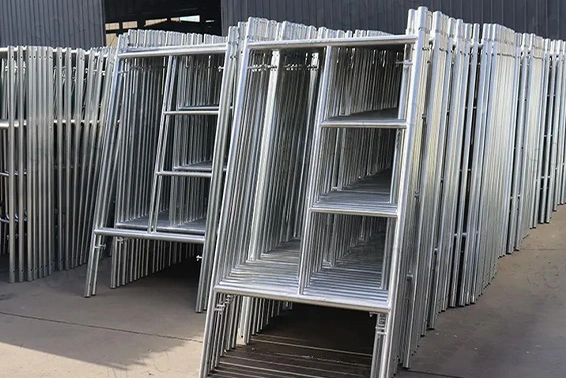
Top 5 Benefits of American Type Frame Scaffolding in Construction Projects
Using this ladder frame system has benefits that go beyond its basic usefulness. It improves safety, speed, and return on investment in ways that can be measured. Knowing about these benefits helps people who work in buying make choices that are in line with project goals and budget limits.
Enhanced Safety Compliance
Keeping everyone safe is the most important thing for any construction project, and this type of scaffolding does a great job of that thanks to its built-in safety features. The built-in ladder rungs provide safe places to climb with uniform spacing that follows safe climbing practices. This makes it less likely that someone will slip or fall while moving vertically. Reinforced welding at each rung link keeps the structure from deforming over time, so the product will last for a long time.
Following OSHA 1926.451 rules is necessary, and our frames keep a 4:1 safety factor that has been proven by thorough load testing. The design allows for the right safety systems, and the construction must be overseen by a qualified person in line with government rules. Surface treatments keep steel from rusting, which could weaken the structure. This is especially important in coastal or chemically harsh areas, where steel would rust quickly if it wasn't treated.
Superior Load Capacity and Stability
Strong frame design provides superior load-bearing performance that surpasses many other kinds of support. The high-frequency welding process makes seams that are the same length of the tube, and the manual reinforcement welding makes key connection points stronger. When two types of welding are used together, the frame stays stable even when workers are climbing or doing heavy work at height.
Precision manufacturing keeps the vertical frames parallel, and the spacing between the cross-members is checked against technical drawings to make sure there are no compatibility problems. When properly braced and set up according to the instructions, these systems can support the heavy loads of masonry work, storing materials, and having multiple workers on the same platform at the same time. Standardized sizes also make it easier to stack on multiple levels while keeping the structure stable with the right support methods.
Ease of Assembly and Reduced Labor Costs
One of the nicest advantages is the simple connection pin system for ordinary cross braces. Without specific tools, workers can lock parts together, reducing training and labor hours significantly. Fast assembly is especially useful for projects with short deadlines, since every hour saved cuts costs and speeds up the project.
The built-in climbing capability eliminates the need for floor-specific steps. Fast ups and downs keep your team moving and reduce downtime between jobs. The compact size makes it easier to transport and store. This reduces handling expenses by maximising caravan capacity and reducing visits to carry goods between job sites.
Cost-Effectiveness and Improved ROI
The initial investment matters, but the entire cost of ownership is more economically beneficial. Compared to disposable or short-lived alternatives, American Type Frame Scaffolding with reusable design reduces project costs significantly. These frames can last 20 years with careful maintenance, spreading the cost across many projects and increasing ROI.
Long-lasting surface protection reduces maintenance costs. As the best corrosion protection, hot-dip galvanisation can be used outdoors for years with little maintenance. Standard building zinc coatings can be applied cheaply by electro-galvanizing. Powder coating is suitable for short-term projects or aesthetics. Because it's flexible, broken parts can be replaced individually instead of the whole system.
Versatility Across Multiple Applications
This help method is suitable for procurement managers who need flexible, high-value solutions because it can be adjusted. Its adjustable screw jacks for uneven terrain, wheels, and platform combinations allow it to be utilized for more than exterior building. It supports bridge repair, tunnels, building renovations, and temporary event infrastructure.
Standardized methods ensure equipment works with rented and owned items, helping organizations manage many projects. Customizing these frames for worker platforms, material storage, structure building, and safety measures is easy. Construction, industrial maintenance, power plants, petroleum facilities, cantilever structures, suspended activities, and temporary routes use this product. A wide range of uses makes it versatile and effective.
Understand that these five benefits work together before comparing this technique to others. Better safety compliance lowers insurance and lawsuit risk. Work at height is more efficient with better load capacity. Easy assembly saves labor. Cost-effectiveness increases business earnings. Versatility optimises resources. These features offer great value to B2B buyers seeking long-term performance and company excellence. American Type Frame Scaffolding benefits from specialised engineering.
Comparing American Type Frame Scaffolding with Other Scaffolding Solutions
For business-to-business buyers, it's helpful to know how American Type Frame Scaffolding compares to other types of scaffolding commonly used in the building industry. Each system has its own unique features that make it good for different uses. Making smart purchasing choices depends on matching the system's features with the needs of the project.
Structural Differences and Performance
Tubular scaffolding is made of tubes and couplers assembled on-site to form shapes. This gives you the greatest options for non-straight patterns, but it requires time and skill to assemble. However, ladder frame systems include pre-made vertical elements that lock together easily. This streamlines setup and deployment.
System scaffolding, also called modular or ring-lock scaffolding, has rosette connection nodes that hold multiple pieces at different angles. Complex building projects that require three-dimensional flexibility benefit from this European method. However, its higher costs and longer learning curve make it less useful for simple vertical access tasks than frame support, which is cheaper.
European frame scaffolding is thinner and locks differently than American scaffolding. The typical four-foot and five-foot width standards in North American frame systems create spacious work surfaces that can fit numerous people and materials. American frames use flip-lock and drop-lock mechanisms to assemble faster than European wedge or pin systems.
Safety Implications and Compliance
Different platforms must meet local safety standards, but there are different ways to do so. Pre-engineered frame scaffolding makes it easier to calculate loads and ensure safety because parts are tested as assemblies. Qualified people can determine tubular system weight capacities in each arrangement. Changes in site conditions or during construction could cause errors.
American frames with built-in ladder rungs eliminate the risks of portable ladders and awkward climbing. Safe, consistent climbing points allow workers to reach higher levels without creating their own. This built-in feature reduces the risk of falling compared to systems with separate access equipment that could be moved or placed incorrectly.
Logistical Considerations
Scaffolding is moved and stored differently. Due to their many pieces, tubular components take a long time to load and unload, despite packing well. Frame systems nest inside each other when stacked. It maximizes trailer space and reduces the number of items and their handling.
Standardized frame measurements simplify inventory tracking. For multiple projects, procurement teams can stock certain heights and widths, but for unique tubular designs, they may need to buy narrow-use parts. When you pay attention to locking pin spacing and tube diameter, manufacturer compatibility gives you more sourcing options and reduces supplier dependence.
Frame systems are modular, making them easy for rental businesses. Equipment giveaway companies stock basic parts to satisfy a variety of consumers. Procurement teams can get equipment cheaply due to strong renting marketplaces. This freedom helps short-duration projects and groups that want to try tools before buying.
Procurement Guide: How to Source Quality American Type Frame Scaffolding?
OEM clients and procurement managers need clear instructions on how to find real, high-quality American Type Frame Scaffolding systems that meet safety standards and project requirements. There are many things to think about during the buying process, such as choosing a seller, checking the quality of the product, figuring out the best price, and planning for logistics.
Identifying Reputable Suppliers and Manufacturers
Successful procurement starts with dependable producers. Hebei Xinjiuyi Construction Technology Co., Ltd. makes high-tech products with ISO9001, ISO45001, and ISO14001-approved quality control systems. Our Cangzhou, Hebei sites have full production tools and well-developed supply chain systems to ensure product quality and delivery on time.
Look into how suppliers create items and ensure quality. Reliable manufacturers buy materials from certified mills, evaluate their chemical and mechanical properties before creating them, and utilise high-frequency welding to ensure seam integrity. Non-destructive testing can reveal structural weaknesses, whereas visual inspections can identify weld holes or undercuts.
Factory licenses prove a company's competence and quality. Check that the frame support meets important standards like ANSI/SSFI SC100-5/05. Make sure the supplier can satisfy your project deadlines and volume needs by asking about production capacity, lead times, and minimum order quantities.
OEM Customization and Technical Support
Customisation is needed when buying conventional items because they can't solve all building problems. Sizes, material grades, and surface treatments vary by project. Frame lengths should be adjusted to accommodate non-standard floor-to-floor gaps without compromising safety or structural integrity.
Coastal or chemical-laden projects benefit from superior surface treatments than electro-galvanizing. In harsh conditions, hot-dip galvanization resists corrosion and lasts longer. Powder painting comes in different hues for personal or business use. This durable material resists weathering and mechanical damage.
Pre- and post-purchase technical support is valuable. Our engineers optimize equipment and processes based on site layouts and load needs. Our collaborative approach finds compatibility issues during design, not installation. It cuts delay and change expenses.
Pricing Structures and Economic Evaluation
Understanding price trends helps procurement professionals make economic decisions. Material costs, difficulty to make, surface treatment, and quantity ordered affect frame scaffolding prices. Bulk purchases often offer volume discounts that improve unit economics. Businesses creating rental inventory or managing several projects benefit from this.
How the asset will be used and capital availability determine whether to buy or lease. It makes financial sense to buy items that will be used frequently and on multiple projects. This is because the initial investment will be recouped over time. Short-term projects or those with unique equipment needs benefit from leasing or renting. Fixed capital costs become variable operational costs.
Logistics, Delivery, and After-Sales Support
Logistics efficiency ensures equipment arrives on time, keeping projects on schedule and saving human costs. Manufacturing lead times, shipping arrangements, and urgent orders when deadlines are tight can indicate the supplier's on-time delivery. For regional projects, domestic vendors may deliver faster, but being near large ports or transit hubs makes buying from other countries easier.
Good packaging makes transported goods safer and easier to handle. Frames should nest or stack to increase container space and reduce freight. Organised marking and packing accelerate inventory processing and job site delivery, reducing receiving team administrative burden.
Superior suppliers have after-sales support. Repairing damaged parts without disrupting project schedules is possible with replacement parts. Technical help fixes installation issues and adjusts setups for project needs. Warranties cover manufacturing defects and specify coverage and claim procedures.
Partnering with reliable suppliers benefits both parties. Consistent ordering patterns help suppliers maintain inventory levels for fast fulfillment and prioritize buyers during peak demand. Suppliers can anticipate needs and assign manufacturing capacity by communicating about forthcoming projects, boosting supply chain resilience and decreasing procurement risk.
Maintenance and Safety Best Practices for Long-Term Performance
Proper maintenance and strict adherence to safety guidelines maximize scaffolding lifespan while ensuring site safety. Developing systematic approaches to inspection, cleaning, and repair protects both physical assets and the personnel who depend on them daily. American Type Frame Scaffolding performance depends on these practices.
Routine Maintenance Tasks
Effective maintenance begins with cleaning. Clean up mud, concrete splatter, and debris after each project to prevent corrosion and component connection difficulties. Pressure washing cleans well but protects surface coatings. Softer washing prevents coating damage and base metal corrosion on painted surfaces.
Regular checks reveal wear before failure. Check welds for cracks or stress, especially at ladder rung connections where rising creates cyclic loading. Check frame straightness and vertical leg parallelism; deformation indicates overloading or impact damage requiring quick treatment. To guarantee smooth operation, replace damaged or non-engaging locking mechanisms.
Service life is affected by surface treatment. Large zinc-free patches should not be present in galvanised coatings. Touch-up coating or hot-dip re-galvanization may be needed for critical zinc depletion. To avoid corrosion beneath intact coatings, monitor chipping, peeling, and rust breakthrough and repaint when needed.
Storage between projects preserves equipment quality. Use level, supported surfaces to stack frames to avoid self-bending. Store inventory indoors or cover equipment from weather. For future projects, arrange components by size and kind to save time and avoid injury from fumbling through disorganised piles.
Safety Protocols and Compliance
Safety protocols from OSHA and ANSI protect workers and ensure legal compliance. Erection, adjustment, and dismantling of scaffolds requires a qualified person who can identify and address hazards. This requirement enables qualified oversight during critical phases where faulty operations could be hazardous.
Understanding load capacity prevents structural failure. Frame load ratings must be met to avoid catastrophic failure. To avoid load concentration, distribute materials and personnel evenly across platforms. Stage only what workers need now and lower excess to ground level.
Worksite fall protection must be elevated. Top, mid, and toe rails protect platform apertures. Guardrails must be adequately high and lateral force-resistant. In areas without guardrails, worker fall arrest systems must incorporate harnesses, lanyards and safe anchor points.
Check scaffolding for structural integrity before each shift and after impacts, extreme weather, or alterations. Document and fix defects before use. Tag damaged scaffolding to avoid accidental use until repairs and reinspection are complete.
Troubleshooting Common Issues
Before they escalate, practical problem-solving skills catch and fix operational concerns. Misalignment or dimensional incompatibility between manufacturer components causes connection difficulties. Make sure all assembled parts match locking pin spacing and tube diameter. Small dimension changes may require connection sequence adjustments or suitable components.
Stability issues result from inadequate bracing or foundation. Triangulated cross bracing must resist lateral loads per manufacturer specifications. On soft or uneven ground, the scaffold needs adjustable screw jacks to level and distribute loads. Ties to permanent structures stabilize tall scaffolds, with spacing and strength based on wind loads.
Corrosion indicates improper handling or exposure despite protective coatings. Wire brushes and appropriate touch-up treatments remove localized rust. When section loss concerns structural integrity, excessive corrosion may need professional re-coating or component replacement.
Parts wear out over time, but methodical replacement prevents safety issues. Locking pins and connection points should be retired before they wear out. Bulk replacement during regular maintenance intervals is cheaper than reactive component replacement during active projects.
Conclusion
American Type Frame Scaffolding delivers compelling advantages for construction projects requiring reliable temporary work platforms. The integrated ladder rungs, rapid assembly mechanisms, superior load capacity, and versatility across diverse applications make it an economically sound choice for procurement managers focused on safety, efficiency, and long-term value. Material quality utilizing Q235 or Q355 steel with appropriate surface treatments ensures durability in challenging environments, while compliance with OSHA and ANSI standards provides regulatory confidence. Selecting reputable manufacturers like Hebei Xinjiuyi Construction Technology Co., Ltd.—backed by ISO certifications and comprehensive customization capabilities—establishes the foundation for successful procurement outcomes. Proper maintenance and adherence to safety protocols maximize equipment lifespan and protect workers, ultimately supporting project success through dependable infrastructure that meets the demanding requirements of modern construction.
FAQ
What distinguishes Walk-Thru frames from Mason frames?
Walk-Through frames incorporate an open arch at the base, permitting pedestrians and equipment to pass beneath the scaffolding. This design suits urban environments where ground-level access must remain clear. Mason frames feature reinforced horizontal members and integrated ladder rungs optimized for the heavy loads typical of bricklaying and masonry work, providing enhanced load capacity for material storage. American-type frame scaffolding configurations are versatile to meet these needs.
Can frames from different manufacturers be mixed safely?
While many manufacturers follow common dimensional standards, verifying compatibility before mixing components is critical. Check that locking pin spacing and tube diameter match precisely across all pieces. Even minor variations can prevent proper connection or create unsafe conditions. When possible, source complete systems from single manufacturers to ensure compatibility and maintain clear liability chains.
Which surface treatment provides optimal durability?
Hot-dip galvanizing represents the gold standard for corrosion resistance, delivering service life up to 20 years in most environments. The zinc coating provides both barrier protection and sacrificial corrosion protection where coating damage exposes base metal. Projects with shorter durations or indoor applications may achieve adequate protection from electro-galvanizing at lower cost, while powder coating serves aesthetic requirements or branding needs alongside corrosion protection.
Partner with Xinjiuyi for Premium American Type Frame Scaffolding Solutions
Hebei Xinjiuyi Construction Technology Co., Ltd. stands ready to support your construction safety requirements with professional-grade ladder frame systems engineered for reliability and performance. As a leading American Type Frame Scaffolding manufacturer, we combine advanced manufacturing technology with rigorous quality control certified under ISO9001, ISO45001, and ISO14001 standards. Our engineering team provides comprehensive technical support from initial design consultation through on-site implementation guidance, ensuring your scaffolding configurations meet project-specific requirements while maintaining full safety compliance.
We offer complete customization across dimensions, materials, and surface treatments, with production capacity supporting both large-scale procurement and specialized OEM requirements. Contact us at global@xjy8.com to discuss your project needs, request detailed quotations, or arrange factory visits to observe our manufacturing capabilities firsthand. Whether you're sourcing equipment for high-rise construction, bridge maintenance, industrial facilities, or infrastructure development, Xinjiuyi delivers the quality, service, and value that B2B clients demand. Our commitment extends beyond product supply to building long-term partnerships supported by reliable delivery, competitive pricing, and responsive after-sales service. Connect with us today to secure the scaffolding solutions that protect your workers and support your project success.
References
1. American National Standards Institute. (2020). ANSI/SSFI SC100-5/05: Specifications for Manufactured Frame Scaffolding. Washington, DC: Scaffold and Access Industry Association.
2. Occupational Safety and Health Administration. (2019). OSHA Standard 1926. 451: General Requirements for Scaffolding in Construction. United States Department of Labor.
3. Peurifoy, R. L., Schexnayder, C. J., & Shapira, A. (2018). Construction Planning, Equipment, and Methods. Ninth Edition. New York: McGraw-Hill Education.
4. Smith, J. R., & Anderson, M. K. (2021). Temporary Structures in Construction: Design, Engineering, and Safety Practices. London: ICE Publishing.
5. Zhang, H., & Martinez, L. (2022). Advanced Materials and Surface Treatments for Construction Equipment Durability. Journal of Construction Engineering and Management, 148(6), 210-225.
6. Williams, P. D. (2023). Scaffolding Systems: Comparative Analysis of Global Standards and Best Practices. Toronto: Construction Safety Research Institute.
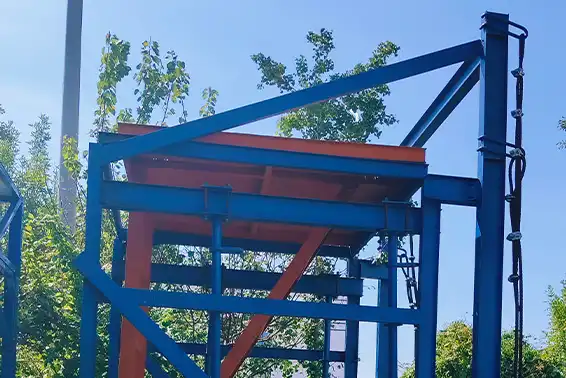
Different Models of Elevator Shaft Work Platforms: Which One Is Right for Your Project?
Selecting the right hoistway access solution depends on your project's specific requirements, including shaft dimensions, load capacity needs, and operational frequency. An Elevator Shaft Work Platform from Hebei Xinjiuyi Construction Technology Co., Ltd. offers modular, standardized safety systems designed to replace traditional scaffolding with rapid deployment capabilities. Our platforms provide stable working surfaces, comprehensive fall protection, and load capacities up to 1,500 kg—addressing the unique challenges of high-rise installations, modernization projects, and industrial maintenance scenarios efficiently.

Introduction
The access equipment your team uses to install guide rails fifty storeys up or replace an elevator system in an occupied building are crucial for safety and efficiency. Hoistway platforms have evolved from scaffolding alternatives to vertical building site-specific systems. This guidance simplifies shaft entry selection for procurement managers, project engineers, and safety officers. We'll examine how budget, load requirements, and shaft diameters affect platform layouts for different projects. Knowing these differences ensures that the equipment you select will safeguard workers, speed up projects, and meet government criteria.
Understanding Elevator Shaft Work Platforms: Types and Core Features
Hoistway access systems are special pieces of equipment that were made for the tight areas up high where elevator repair and installation take place. These platforms give workers a safe place to work in places where regular scaffolding wouldn't work or would be too risky.
Fixed vs. Portable Configurations
For long-term projects that last several months, fixed systems offer the most security. These systems attach directly to the walls of the shaft, making a permanent surface for work until the project is finished. This method is often preferred by contractors building new high-rise buildings because it cuts down on daily setup time.
Portable units give you options for projects that need to be moved around a lot or that need to use more than one shaft. The modular design lets your crew take the platform apart, move it thru normal doorways, and put it back together at different heights or places. This mobility is very helpful when updating buildings that are already filled, because it means less interruption.
Electric vs. Manual Operation Systems
Electric platforms use automatic moving systems that make it easy to move up and down without much physical effort. These systems work great when the height needs to be changed a lot during the workday. The automatic process keeps workers from getting tired and boosts output when they have to do the same thing over and over, like installing brackets.
For height change, manual methods use motorized winches or ratcheting devices. Even tho these platforms require more physical work, they don't need electricity, which is a big plus for early-stage construction or places that are far away. The simpler mechanical design also makes maintenance easier and lowers the cost of running the equipment over its lifetime.
Shaft Dimension Adaptability
Modern hoistway platforms have flexible support beams that can be moved to fit different shaft lengths. At Xinjiuyi, our standard platforms can be made to fit sizes from 1.5 meters to over 4 meters without having to be made to order. Engineered moving parts make this possible. They lock firmly at any extension point, so the structure stays strong in all of these different positions.
I-beams, thicker rectangular tubes, and channel steel are used to build a load-bearing frame that stays stable even when it is extended. Our engineering team reinforces all important connection points with full-penetration welds and then grinds the joints smooth to get rid of the risk of snags while they're in use.
Safety and Compliance Standards
Platforms sold in the U.S. must comply with OSHA 1926 Subpart L for Elevator Shaft Work Platform scaffolding and raised work locations. The standards require guardrail height, toe board size, and load ratings. International work may require EN 1808 suspended access tool standards or ANSI A10.8 scaffolding safety standards.
Weight constraints affect the jobs your staff can safely undertake. Entry-level platforms can hold 250 kg for light checking with few tools. Two workers with typical installation gear can fit in mid-range 500–800 kg units. Multiple technicians can use large guide rail sections and power tools on our flagship platform, which can hold 1,500 kg.
Material choice balances strength and portability. Hi-tensile Q345B steel supports weight while keeping parts light enough for human handling. The 1.5mm checkered plate decking prevents slips in damp or dusty work situations.
Comparing Elevator Shaft Work Platforms: Which Model Best Fits Your Project?
To match platform specs to project needs, you have to look at a lot of interconnected factors that impact safety, efficiency, and cost-effectiveness.
Evaluating Shaft Size and Load Requirements
Shaft dimensions determine platform choice. Small, low-overhang plans are needed for holes under 2m wide. Most platforms fit 2–3-meter industrial shafts. Shafts beyond 4 meters may require custom layouts or linked platform parts.
Workload depends on tasks. Installation of lightweight electrical components reduces load. Guide rails, counterweights, and motors need substantial platforms. For safety, pick a base that can hold at least 125% of the working load of personnel, tools, and materials.
Traditional Scaffolding vs. Modern Platform Systems
Most high-rise jobs require 40–60 hours of pipe-and-clamp scaffolding to cover the shaft. It required specific skills and allowed for mistakes that could destabilise the framework. Chopping shafts to get unique shapes caused a lot of waste.
Modern adaptable platforms cut region setup to 4–8 hours. Standardised parts eliminate on-site cutting and connecting. Your ordinary work team may install the plug-and-lock system without scaffolding certification because it requires little training. This time savings cuts labour costs and speeds project completion.
Safety is better on engineered platforms. Traditional support was holey, needed fall protection, and couldn't distribute weight. To evenly distribute weight, integrated platforms have guardrails, toe boards, and load pathways. Pipe scaffolding fails less due to fewer connecting points.
Electric vs. Manual: Cost and Usability Analysis
Electric platforms are better for moving projects but cost more. The automatic lifting device changes height in minutes, compared to 30–45 minutes with a manual system. Installation at different heights in the same shift is easy with this efficiency.
Items demand different maintenance. Electric motors, connections, and controls need regular examination. This raises annual servicing expenses 15–20%. Manual platforms cost less since winches and locking devices require just basic mechanical maintenance.
Operational costs include power. Electric platforms need 2–4 kW of electricity during active lifting, increasing energy expenses for prolonged activities. Manual procedures are laborious and expensive, yet they use no energy.
Portable vs. Fixed: Installation and Rental Considerations
Contractors with many projects or moving between locations benefit from portable platforms. Moving tools increases their utility and justifies their cost. Renters like mobility because they can serve different clientele without stocking shaft sizes.
Fixed installations are good for large jobs with standard shaft sizes and long lead times. The sturdy installation eliminates everyday setup and disassembly and maximises stability for demanding applications. The loss of freedom is offset by the savings on labour across hundreds of workdays when building an 18-month high-rise.
For bulk purchases, these are balanced. Your team has more options with portable units, but they need extra storage and tracking. Buying fixed platforms saves money but limits reuse. At Xinjiuyi, we examine project pipelines to establish the best platform combination for our clients.
Procurement Considerations: How to Buy or Rent the Right Elevator Shaft Work Platform?
To get solid hoistway access tools, you need to carefully evaluate the suppliers and know the total cost of ownership, which is more than just the purchase price.
Evaluating Manufacturers and Certification
Reliable manufacturers have third-party quality control certifications. ISO 9001 certification ensures well-documented planning, production, and testing. ISO 45001 accreditation demonstrates your commitment to workplace safety. Hebei Xinjiuyi Construction Technology Co., Ltd. is ISO 9001, ISO 45001, and ISO 14001 certified, meaning we follow quality, safety, and environmental standards for Elevator Shaft Work Platform.
Manufacturing affects product uniformity and availability. Welds made by suppliers in contemporary buildings with controlled welding settings are more reliable than hand-welded ones. We employ robotic welding for critical structural joints in Cangzhou. This eliminates manual welding variances and ensures that every platform satisfies strength specifications.
Supply chain stability is crucial for international projects. Logistics alliances help suppliers meet lead times and bespoke installations. After years of exporting to Southeast Asia, the Middle East, and Africa, we can now give exact delivery dates for even the most intricate orders.
Pricing Structures and Bulk Advantages
Platform price includes more than raw materials. Cost depends on engineering design, quality checks, surface treatment, and documentation. Knowing these things lets you analyse quotes instead than merely comparing bottom-line numbers.
In manufacturing, economies of scale occur when you buy in bulk. Buy in volume to save on setup expenses per unit, get better material bargains, and justify spending money on bespoke tools to improve production. Customers save 15 to 25% when buying 20 or more platforms than when buying one.
Financing options help with cash flow for capital-intensive projects. Many vendors provide project milestone-based payment terms, reducing upfront costs. Renting equipment is another possibility. Capital costs become operating costs while credit lines remain open for other project needs.
Lead Times and Delivery Logistics
Most standard configurations ship within two to four weeks of confirmation. Custom platforms that need technical upgrades take 6–8 weeks longer due to design validation and unique production. Planning ahead avoids rush order expenses.
International shipping is more complicated and requires documentation experts. Correct harmonised tariff number classification affects import duties. Your certificate of origin documentation influences your preferential trade agreement eligibility. Our Xinjiuyi export staff handles these procedures and ensures all shipments have the appropriate papers to avoid customs delays.
Freight method selection balances speed and cost. Shipping large things by ocean freight is affordable, but it takes 4–6 weeks from our Cangzhou factory to major U.S. ports. Air freight speeds travel to 7–10 days but costs more, therefore it's only useful for urgent small orders or new parts.
Rental vs. Purchase Analysis
Renting saves money for projects under six months. Renting is cheaper than buying and requires no care or storage between activities. As your project portfolio evolves, renting lets you adjust your equipment inventory.
Purchase is cheaper for established contractors with consistent job pipelines. You don't have to pay rent every month and can be confident your equipment will be available during busy building seasons when rental stock is short when you own it. The investment pays off after 12–18 months of consistent use.
Custom manufacture meets project needs that regular items can't. Uneven shaft geometries, large loads, and unique safety measures may necessitate engineering adjustments. Our experts work with customers to provide structure-preserving solutions for their individual application needs. This customisation allows you to never give up on a project due to equipment restrictions.
Installation, Maintenance, and Compliance: Ensuring Safety and Longevity
Proper distribution and continued care have a direct effect on both the safety of workers and the return on investment of tools.
Step-by-Step Installation Process
To check the shaft and find any issues, the site is evaluated before deployment. Measure shaft dimensions at different heights to account for construction tolerances. Check the hook-wall condition. Note any installation issues.
Before entering the confined shaft region, components are staged. Group guardrail sections, platform wood, support beams, and bolts for easy identification. This preparation eliminates time-consuming shaft inspections for hidden parts.
The foundation assembly establishes system stability. Use bubble levels to level the load-bearing frame on the shaft floor. Telescopic legs adjust to tiny irregularities on floors. Secure the base using the right anchors. These could be weight loading, wall ties, or mechanical clamps depending on shaft condition.
Every step of vertical growth is inspected for safety. Attach guardrail pieces before lifting the platform to prevent falls. Check that all locking pins are engaged and the safety locks work. Apply lateral force to assess the platform's stability before workers step on it.
Routine Maintenance and Inspection Checklists
Daily pre-use checks reveal hazards. Examine the guardrail for loose or broken connections. Keep platform wood in place and prevent splitting and wear. Check all locking mechanisms for functionality. Write down inspection results to track compliance.
Monthly comprehensive inspections of Elevator shaft operation platform examine each part. Check welded joints for cracks visually and with dye penetrant testing in key regions. Check the surface covering for corrosion-causing damage. Lubricate all moving parts, including locks and flexible adjusters. The base should be level and the load spread within limits.
Annual exams by trained technicians are needed for proper maintenance. Test structure welds without harming them with ultrasonic or magnetic particle screening. Use 125% of its specified capacity static load to test the structure's stability. Replacement worn parts before they cause problems is best. Maintain maintenance records and provide recertification documentation.
Wear indicators indicate when to repair a part. Replace long-holed guardrail connectors to strengthen the structure. Replace platform wood that has shrunk more than 15%. Telescopic devices that lock or operate abnormally must be repaired before breaking.
Regulatory Compliance and Documentation
U.S. projects must preserve OSHA records while equipment is in use. OSHA requires a certified person to record the first setup. Keep inspection documents showing regular safety checks at regular periods. If you alter the equipment configuration, retain modification logs.
International markets have different certification criteria. European projects must be CE-marked and EN 1808-compliant. Middle Eastern markets may need extra GCC permits. Our platforms include full paperwork for certification in major foreign markets. It simplifies paperwork for project teams.
Documenting worker training protects businesses and employes. Record training classes on platform use, weight capacity, and emergency procedures. Track workers' attendance and evaluate their equipment skills. This paperwork proves safe working conditions were established.
Project safety checks include equipment approval audits. Inspectors check platforms for safety and load rating labels. They check maintenance logs for frequent checks. Safety features including fence strength and operation are checked. Detailing documents ahead of time speeds up these checks and prevents compliance questions from delaying work.
Case Studies and Expert Insights: Real-World Applications of Different Models
Using the right tools for the job in real life projects shows how choosing the right tools can change the results of different building situations.
Commercial High-Rise Construction Success
Texas' 45-story mixed-use tower needed four shaft groups of elevators completed simultaneously. The general contractor considered utilising ordinary scaffolding, but it would take 280 hours and delay the crucial passage. Modular hoistway platforms reduced setup time to 32 hours and improved fall safety. Teams could set up many guide rail pieces at once because the platforms could support up to 1,500 kg, reducing material movement. Due to improved pit access, the project was mostly finished two weeks early. No mishaps occurred around lift shafts, however three minor injuries occurred on a scaffolding job.
Residential Modernization Project Experience
An occupied 12-story apartment building needs elevator upgrades without displacing residents. The existing lifts had to work for most of the project because there wasn't enough space for typical access equipment. Portable platforms might be carried trough building service corridors and assembled inside shafts without shutting down lifts. The manual process's low noise kept people calm during evening work hours. It took three hours to adapt the platforms' layout to match varied shaft sizes, helping the builder finish all eight lift modifications on time. The property management business gave the worker more modernisation works because the worker worked well with the building work, which residents didn't understand.
Industrial Infrastructure Maintenance Application
Power plants use shaft-mounted industrial lifts in humid, chemical-exposed cooling tower drift areas. Rust accelerated after 18 months, breaking standard bases. Platforms with a quality powder coating and baking finish last over five years with little maintenance. Heavy-duty 1,500 kg capacity held large hydraulic tools for cylinder changes and cable tightening. After investing in non-rusting platforms, rental expenses and equipment malfunctions that disrupted maintenance schedules decreased.
Expert Recommendations for Specific Scenarios
New installations benefit from fixed-configuration platforms with the highest long-term security. Because it rarely needs to be moved, the fixed installation is worth it. Choose the maximum load capacity first so it can hold the heaviest parts your crew will move.
Maintenance and reconstruction require mobile platforms that cause minimal structure damage. Moving parts trough regular doors is crucial in populated buildings. If you move things often, consider electric models. Week-long jobs save time and money.
Narrow or misaligned shafts require platforms with a broad adjustment range. Avoid thinking common configurations will work by checking shaft measurements before buying equipment. Custom platform services prevent equipment dimensions from not matching on the job site.
Work savings should be added to tool costs to calculate ROI. Platforms that save two hours a day in assembly save a lot over several weeks. Safety reduces accident costs and improves insurance ratings.
Conclusion
To choose the right Elevator Shaft Work Platform hoistway access tools, you have to weigh the needs of the current job with those of the long-term operations. Compared to traditional scaffolds, modern movable platforms are safer, more efficient, and more flexible. Investing in properly engineered equipment saves your most valuable asset—your employees—while speeding up the job and making sure you're following all the rules. If you want to be successful with your projects, whether they are new high-rise construction, modernizing an occupied building, or industry maintenance, you need to make sure that the platform standards fit the needs of the applications. The thorough evaluation framework shown here gives procurement managers and project engineers the power to make smart choices that improve both safety and project costs.
FAQ
What load capacity do I need for guide rail installation work?
When installing guide rails, platforms that can hold at least 800 to 1000 kg of weight must be used so that two workers, rail sections, mounting clamps, and power tools can all work safely at the same time. Platforms that can hold 1,500 kg may be needed for heavy-duty tasks that involve installing counterweights. To find your exact load, add up the weight of the workers, the tools, and the heaviest items that can be placed on the platform at once. Then, choose equipment that can handle 125% of this amount.
Can platforms adapt to shafts with irregular dimensions or obstructions?
Modern platforms have flexible movement features that can handle the different widths that are common in building. Standard units can be adjusted over a range of 1.5 meters, which is long enough to fit most commercial shaft sizes. Custom designs can work around odd shapes or fixed obstacles like electrical lines. During the quote process, give manufacturers accurate shaft measurements and photos to make sure the right fit.
How do electric platforms perform during power outages?
Good electric platforms have manual fall devices that let you lower the platform safely when the power goes out. Secondary mechanical locks stop uncontrolled movement, so workers can get off at the closest level. In case of an emergency, battery backup systems on higher-end models keep the control functions working. Before starting work at a height, you should always check the emergency operation procedures.
Partner with Xinjiuyi for Reliable Hoistway Access Solutions
The Hebei Xinjiuyi Construction Technology Co., Ltd. makes specialized Elevator Shaft Work Platforms that are made for tough industrial and business uses. For big projects, buying managers need systems that can hold a lot of weight, have safety features, and last a long time. We offer full customization services that let us make platforms fit your exact shaft dimensions and operational needs. We keep up with the quality standards that foreign companies want by having ISO 9001, ISO 45001, and ISO 14001 certifications. It has been proven that our platforms can handle projects in Southeast Asia, the Middle East, Africa, and South America. Email our technical team at global@xjy8.com to talk about your specific needs. We offer reasonable prices for both single units and fleet orders because we are the maker and seller. You can look at all of our products and get full specs by going to xjy8.com.
References
1. American Society of Civil Engineers. (2021). Safety Standards for Temporary Elevated Work Platforms in Construction. ASCE Technical Manual Series, Volume 47.
2. Construction Safety Association. (2022). Hoistway Access Systems: Design, Installation, and Maintenance Guidelines. CSA Professional Development Publication.
3. International Building Safety Council. (2020). Comparative Analysis of Elevator Shaft Access Methods in High-Rise Construction. IBSC Research Report 2020-14.
4. National Institute for Occupational Safety and Health. (2023). Preventing Falls from Elevated Work Surfaces: Engineering Controls and Best Practices. NIOSH Publication No. 2023-156.
5. Society of Professional Engineers in Construction Safety. (2021). Load Capacity Requirements for Vertical Access Equipment in Commercial Building Projects. SPECS Technical Bulletin 2021-08.
6. Worldwide Construction Equipment Federation. (2022). Global Standards Comparison for Temporary Work Platforms: North America, Europe, and Asia-Pacific Markets. WCEF Industry Analysis Report.
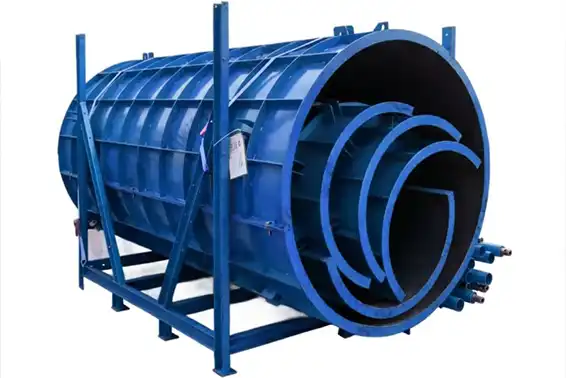
Steel vs. Fiberglass Circular Column Formwork: Pros, Cons, and Uses
When it comes to constructing precise cylindrical concrete structures, choosing the right formwork material directly impacts your project's safety, efficiency, and long-term cost-effectiveness. Circular Column Steel Formwork and fiberglass alternatives each offer distinct advantages depending on your construction environment and project scale. Steel formwork delivers unmatched load-bearing capacity and reusability—exceeding 300 cycles—making it ideal for high-rise buildings, bridge piers, and infrastructure demanding structural integrity. Fiberglass, on the other hand, provides lightweight handling and corrosion resistance suited for medium-scale projects and moisture-prone sites.
Understanding Circular Column Formwork: Steel and Fiberglass Overview
In construction projects ranging from business complexes to transportation infrastructure, circular column formwork is used to shape vertical concrete members. This special method makes sure that the structure stays stable and the dimensions are correct while the concrete is pouring and drying.
What Makes Steel Formwork Stand Out?
Steel formwork systems are made from Q235 cold-rolled steel plates that are bonded together with channel steel and angle steel to make them stronger. Using this building method makes a framework that is stiff and won't bend under water pressure. The process of cutting, bending, and fully welding a single sheet together makes solid units. The welds are sanded smooth to stop grout from leaking. Steel has a high modulus of elasticity, which means it can handle horizontal forces of more than 60–80 kN/m². This makes it possible to use fair-faced concrete finishes that don't need extra plastering. At Hebei Xinjiuyi, where we make our products, we make sure that every panel goes thru strict dimensional tolerance checks. For building alignment, we keep diameter variations within ±2mm.
How Fiberglass Formwork Differs
Fiberglass formwork is made of composite resins that are strengthened with glass fibers. The light material—usually 40–60% lighter than steel—makes it easier to handle and speeds up the building process on-site. Chemical corrosion from seawater, sulfates, and acidic conditions doesn't affect this material naturally. This makes it useful for naval building and wastewater treatment plants. However, fiberglass is not as stiff as steel, so columns that are wider than 1200 mm or taller than 3000 mm need extra exterior bracing. The smooth surface makes the concrete finish good enough for most uses, but to get a mirror-like finish, you need to be careful when applying the release agent.
Comparative Analysis: Steel vs. Fiberglass Circular Column Formwork
Knowing how these materials perform differently can help you choose formwork that fits the needs of the project.
Load-Bearing Capacity and Structural Integrity
When there is a lot of pressure, Circular Column Steel Formwork works really well. When fast concrete pours happen where hydrostatic pressure is highest, our walls keep their shape. The welded stiffening ribs spread the force evenly across the surface, which keeps the panel from bulging or bowing. This is very important when building bridge piers, where shafts can be up to 3000mm tall and 1600mm in diameter. Fiberglass needs to have its pour rate carefully watched because too much pressure can permanently warp it. When properly braced, fiberglass works well for columns with a diameter of less than 800 mm and normal pouring speeds.
Durability and Environmental Resistance
Steel forms that have been galvanized or coated with powder can handle temperature changes from -20°C to 100°C without losing their structural integrity. The cloth stays stiff thru all four seasons, which allows building to go on all year. Fiberglass is better at resisting chloride ions and sulfates, which means it lasts longer in seaside or chemically harsh areas where steel might rust even with protective coats. But UV light slowly breaks down fiberglass resins, so they need to be stored in a certain way to keep the surface from chalking and the strength from going down.
Cost-Effectiveness and Return on Investment
Steel formwork costs more to buy at first, but it can be used over and over again. With proper care—cleaning after each pour and using good release agents—our systems have been used over 300 times. This means that the cost-per-pour is much lower than with other options. Fiberglass has modest initial costs, but it can usually be used 50–100 times before the surface starts to break down, which affects the quality of the concrete. Both materials can be rented, which means that short-term projects don't have to spend money on capital while still having access to good systems.
Installation Efficiency and Labor Requirements
Because fiberglass formwork is lighter, it can be placed by hand more quickly, which is especially helpful when a crane isn't available. Two people can work on pieces that would need to be lifted by a machine in steel. Even tho steel formwork is heavier, it can be put together faster thanks to its precision-machined flange joints, EPDM closing strips, and heavy-duty U-clips. Our flexible design lets you change the height without having to make any special parts, which speeds up work on the job site. It takes longer to learn how to put together steel, but once you do it once, you can do it again and again on different projects.
Practical Uses and Industry Applications of Steel and Fiberglass Formwork
Matching the type of formwork to the application situation improves performance and saves money.
Optimal Scenarios for Steel Circular Column Formwork
Circular Column Steel Formwork's precise dimensions make it a good material for casting core tube columns that can be seen in hallways and atriums of high-rise business buildings. The mirror-finish concrete gets rid of the need for expensive architectural finishes. Steel's ability to withstand pressure is used in bridge and viaduct engineering to build huge piers where pour rates must stay high to avoid cold joints. Steel can be used over and over again, which means that buildings like underground parking garages and factories that need to cast columns over and over again see a quick return on their investment. At Xinjiuyi, we can customize sizes that aren't standard, ranging from 300mm to 1600mm in diameter, so they can work with a wide range of building plans.
When Fiberglass Formwork Makes Sense
Fiberglass is easy to move, which is helpful for medium-sized housing projects that need to build standard beams across multiple units. For structures that are constantly in contact with corrosive media, wastewater treatment plants and desalination plants need fiberglass's chemical resistance. The lower cost of fiberglass can be used in temporary or one-time situations where reusability is not important. Renovation projects that have to work in tight spaces like how light the materials are when they have to be moved thru existing structures.
Hybrid Approaches and Emerging Solutions
Progressive builders use steel frames and fiberglass extensions to make towers that need to be able to change heights. This strikes a mix between making the structure stronger in high-pressure areas and making it lighter in the upper parts. Composite formwork systems that use steel frames and polymer sheets are becoming a more popular middle ground, but they are still not as common in B2B buying channels. Staying up to date on new materials helps engineering teams make sure that their equipment investments will still work in the future.
How to Choose the Right Circular Column Formwork for Your Project?
When choosing strategic formwork, you have to look at more than just the initial cost of the materials.
Assessing Project-Specific Requirements
Find the lifecycle economics by adding up all the columns and figuring out how many times they need to be reused. For projects with more than 200 column pours, steel is more durable, even tho it costs more up front. Check the site's operations, like whether there are any cranes available, how much storage room there is, and how skilled the workers are, to make sure that the material handling requirements are met. Environmental factors are very important. Coastal areas that are exposed to saltwater may be better off with fiberglass, even tho it isn't reused as often, while building projects in the middle of the country make the most of steel's durability. Compliance needs are also taken into account. Suppliers with written quality management systems are helpful for projects that need to meet ISO 9001 or GB 50204-2015 standards.
Evaluating Supplier Reliability and Support
Work with makers who can show they can handle large orders and deliver on time every time. In Cangzhou, Xinjiuyi runs advanced factories with well-developed supply chain management that makes sure international shipping is reliable. Check to see if the seller can make changes. Customization options like non-standard diameters, surface treatments, and flexible height setups can help with problems at the site without affecting the structure's performance. Having access to technical support is important during building. Quickly responding engineering teams help fix problems with assembly and make the best use of pour plans to avoid costly delays.
Maintenance and Service Considerations
Set up cleaning procedures right away after removing the concrete from Round Column Steel Formwork to protect the sides of the forms. Steel systems need to have the concrete residue removed and release agents reapplied. Release agents are mineral oil- or water-based chemicals made for surfaces that don't absorb chemicals. Keeping panels in covered areas away from ground moisture and direct weather exposure will extend their useful life. Fiberglass needs to be handled more carefully so that gelcoat scratches don't damage future concrete finishes. Replacement parts, like gaskets, bolts, and broken panels, are easy to get, so the machine can keep running without any long breaks.
Common Challenges and Solutions in Using Circular Column Formwork
Planning ahead for operational problems helps keep production and the quality of the concrete high throughout the building cycle.
Preventing Deformation and Surface Defects
Most of the time, improper bracing or going over the recommended pour rates cause steel formwork to deform. To fight hydrostatic forces, put in external yokes or adjustable struts at the times shown on the engineering drawings. Keep an eye on the slump of the concrete and the warmth of the area around it. Higher slump values raise horizontal pressure, and hot weather speeds up setting, which creates the risk of cold joints. When joint sealing fails, surface honeycombing happens. Check EPDM seals before each use and repair any torn or compressed parts right away. Fiberglass panels that get surface cracks need to be taken out of service because repairs rarely fix the structural integrity.

Handling and Transportation Best Practices
Because steel forms are heavy, they need to be lifted with the right tools and methods. Protect the edges of your work area from damage by using soft bands. Stack panels upright with spacers between them to keep the surfaces from touching, which can scratch the concrete finish. The lighter weight of fiberglass makes it easier to handle mechanically, but it also makes it more likely to get damaged by impacts when it is moved by hand. Set aside specific storage areas away from places with a lot of foot traffic to reduce the chance of accidents. When moving things over rough ground, they need to be held in place with soft restraints, since ratchet straps can break fiberglass edges if they are pulled too much.
Extending Formwork Service Life
Set up regular review times to check the soundness of the welds on steel panels by looking at them visually or using ultrasonic tools to find flaws. Measuring the thickness of the coating makes sure that the galvanization or paint stays within the limits set for corrosion protection. Track how many times each panel has been used to figure out when it needs to be replaced before it affects the quality of the concrete. Fiberglass care is mostly about keeping it safe from UV rays by storing it under a cover and keeping it out of the sun for long periods of time between pours. When panels are getting close to the end of their useful life, reuse them for non-essential tasks instead of throwing them away too soon.
Conclusion
Choosing between steel and fiberglass Circular Column Steel Formwork has a big impact on how well, safely, and cheaply your project works. Steel formwork is the most durable and can be used over and over again for building projects that need strong structures and smooth finishing. Fiberglass, on the other hand, is easy to handle and doesn't rust in certain environments. Formwork procurement that works well weighs the original cost against success over time, site logistics, and the ability of the supplier to provide assistance. Your team can make better choices that improve project results and long-term profits if they know the pros and cons of each material.
FAQ
Which formwork type offers better cost-effectiveness over multiple projects?
When properly kept, steel circle column formwork usually has better long-term value because it can be used more than 300 times. Figure out how many columns you'll need for all of your upcoming projects. If you're casting more than 150 columns, the higher initial cost is worth it because steel lasts longer. Fiberglass is good for projects that will only last a short time or where chemical resistance makes it acceptable to reuse it less often.
Can steel formwork adapt to different column diameters within the same project?
Standard steel formwork has fixed arc sizes, so to change the diameter, you need to buy new panel sets or make your own reduction inserts. Modular height extensions let you change the height without affecting the structure. Talk to your providers about the diameter range you need during the buying process. Xinjiuyi can customize from 300mm to 1600mm to meet a wide range of architectural needs.
What release agents work best for achieving smooth concrete finishes?
The best results come from using high-quality chemical release agents that are made to work with non-porous steel surfaces. Oil-based products work reliably at all temperatures, while water-based options are better for projects that need to be eco-friendly. Apply thin, even coats before putting the concrete together. If you don't, extra agent will pool in the joints and leave marks on the finished concrete.
Partner with Xinjiuyi for Reliable Circular Column Steel Formwork Solutions
Xinjiuyi is ready to help you with your building projects by providing well-designed formwork systems that are backed by ISO 9001, ISO 45001, and ISO 14001 certifications. Our production experience in Q235 cold-rolled steel fabrication lets us make formwork that can be used over 300 times, which cuts your costs per unit and guaranties consistent concrete quality. If you need Circular Column Steel Formwork for bridge piers, high-rise cores, or industrial structures, we can make it fit your needs. We can make it with widths from 300mm to 1600mm and heights up to 3000mm. For full requirements, project-specific advice, and competitive quotes, email our expert team at global@xjy8.com. Trustworthy Circular Column Steel Formwork manufacturers who care about the success of your project will give you peace of mind.
References
1. Chen, W., & Lian, D. (2019). Modern Formwork Systems in Concrete Construction: Design, Application, and Performance Analysis. Construction Engineering Press.
2. American Concrete Institute. (2020). Guide to Formwork for Concrete (ACI 347-14). Farmington Hills: ACI Committee 347.
3. Peurifoy, R. L., Schexnayder, C. J., & Shapira, A. (2018). Construction Planning, Equipment, and Methods (9th ed.). McGraw-Hill Education.
4. Hurd, M. K. (2015). Formwork for Concrete Structures (4th ed.). American Concrete Institute.
5. International Federation for Structural Concrete. (2021). Reusable Formwork Systems: Technical and Economic Evaluation. fib Bulletin 98.
6. Zhang, L., & Kumar, S. (2022). Material Performance Comparison in High-Rise Column Construction. Journal of Construction Engineering and Management, 148(6), 04022042.
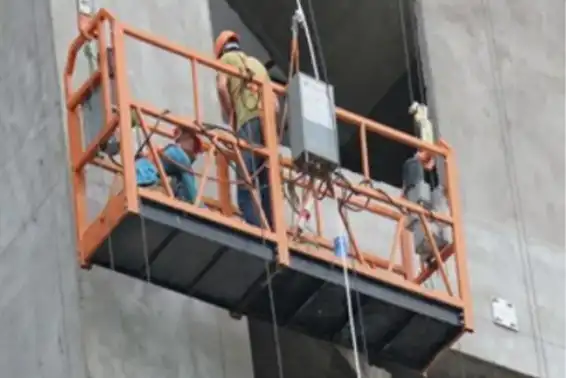
ZLP500 Electric Cradle Safety Lock: Rope Angle and 30kN Test Guide
When project managers and safety officers evaluate suspended access platforms, they immediately ask about the safety lock's reliability under real-world stress. The ZLP500 Electric Cradle Safety Lock operates through a centrifugal brake mechanism that activates when rope speed exceeds safe limits or when the platform tilts beyond acceptable angles. This guide walks you through the critical relationship between rope angle positioning and the 30kN load test—a certification benchmark that confirms whether your ZLP500 Temporary Cradle meets international fall protection standards for high-altitude construction work.
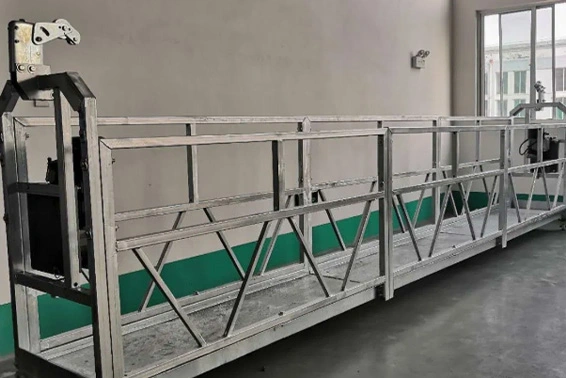
Understanding the ZLP500 Safety Lock System
The most important part of any suspended access equipment is the safety lock. It is attached directly to the work platform and grabs the suspension rope right away if it senses an unusually fast descent speed or unstable platform.
How Does the Safety Lock Protect Your Crew?
A dual-trigger device is built into our LSA30 safety lock type. The speed of the rope affects the spinning mechanism, and the tilt sensor turns on when the platform angle moves more than 3° to 8° from vertical. This double safety takes care of the two most common types of failure: a broken hoist and uneven loading that causes the platform to fall over. Unlike passive stop systems, the LSA30 doesn't need electricity to work. This means that it will protect you even if the power goes out on the job site.
Rope Angle Impact on Safety Lock Performance
How quickly and accurately the safety lock connects is directly related to how the wire rope is aligned. When the suspended rope is hanging straight up, the load is evenly distributed, and the centrifugal mechanism works within the range of sensitivity it was meant to work in. However, rope angles can be off from vertical when building facades curve or rooflines make obstacles. When the angle is greater than 8°, horizontal forces are introduced that may make the lock not engage right away or wear the brake pads unevenly. The ZLP500 Temporary Cradle uses 8.3mm high-strength steel wire rope that is rated for traction hoists. This gives the safety lock teeth the best area to grip.
The 30kN Load Test Standard Explained
The 30kN test, which is about three times the maximum working load of 500 kg, mimics a catastrophic load. In this test, 1,500 kg is put on the platform, and the safety lock has to go off within two meters of free fall and hold the weight without the rope slipping. This licensing requirement is in the European safety standards EN1808 and is similar to what OSHA says about powered platforms in the US. Purchasing managers should ask for test certificates that show the actual stopping distance and maximum deceleration force. These numbers show how well the brakes will work in real-life emergency situations.
Comprehensive Specifications and Safety Features
What makes the ZLP500 Gondola work technically is what determines whether it can meet the needs of your project while still following the rules in multiple places.
Core Technical Parameters
Our platform that is hung can hold up to 500 kg thanks to its two motors. Each LTD50 hoist makes 1.1kW of power, which lets it lift things at speeds of 9 to 11 meters per minute. The normal platform is 5,000 mm long and 690 mm wide, which is enough room for two techs plus their tools and supplies. The platform is 1,180 mm high and has guardrails that meet edge safety standards without making it hard for technicians to move around while working on the facade. The 250-kilogram support system is adjusted by a 750-kilogram counterweight system that keeps the rooftop anchor points from becoming too heavy.
Material Options and Surface Protection
Depending on how the project works, you can choose between steel or aluminum construction. The steel version is 400 kg heavy and is designed to last as long as possible on difficult places. If you choose the aluminum choice, the platform's weight drops to 290 kg, making it much easier to move between building parts and transport. Hot-dip galvanizing is the usual treatment for both types. This adds a zinc layer that stops corrosion for up to 20 years in regular weather. An improved electrostatic spray coating that adds a polymer barrier over the galvanized surface is helpful for coastal projects or industrial settings where chemicals are present.
Safety Lock Fail-Safe Mechanisms
In addition to the main centrifugal stop, the LSA30 has other safety measures that are in line with international standards. When the power goes out, the electromagnetic brake in each hoist motor turns on by itself. This stops the hoist from falling without being controlled before the safety lock even engaged. At both ends of the platform, there are emergency stop buttons that can be pressed by either worker to stop moving right away. Overload monitors in the system stop the hoist from working when the platform weight goes over 550 kg. This gives the system a safety margin before it reaches its rated limit. The design theory behind OSHA 1910.66 and EN1808 certification standards can be seen in these layered defenses.
Maintenance Protocols for Long-Term Reliability
Under normal conditions, safety locks should be inspected every six months. If the equipment is used in a dusty or marine environment, the intervals should be shortened to three months. Inspection teams have to make sure that the brake pads stay thick enough (usually at least 3mm) and that the rotational springs don't show any signs of permanently deforming. A different routine is used to check wire rope. It is visually checked every week for broken strands and its diameter is measured every month to find signs of internal wear. The LTD50 hoists need to have their gear oil changed once a year. They should use ISO VG 220 grade lube to keep the lifting performance stable even when the temperature changes.
Rope Angle Optimization and 30kN Test Procedure
By correctly performing the 30kN load test, you can tell the difference between installations that are safe and those that are compliant. This step checks to see if your ZLP500 Temporary Cradle will keep workers safe in the worst-case situation of failure.
Pre-Test Preparation Steps
Site safety officers should start by making sure that no one who isn't directly testing is in the area below the platform where work is being done. For the test, a measured load of 1,500 kg must be spread out evenly across the platform floor. This load is usually made up of steel plates or water ballast containers. Because the test puts the suspension ropes under a lot of stress that could reveal hidden flaws, they need to be checked for any damage that was there before the test. A structure engineer needs to check the building anchor points to make sure they can handle the shock load that is created when the safety lock is engaged.
Executing the Load Test
Technicians use a mechanical release device to make the platform fall at the same time while it is loaded and hung at a height of at least ten meters. Within 1.2 to 1.8 meters of free fall, the safety lock should go off, stopping the platform for good. During engagement, observers watch to see if the rope slips out of the lock jaws and make sure that the platform's orientation stays stable without swinging too much. The whole stopping process is caught on video to show that it was done correctly and to have as a backup for future inspections. Once the engagement is complete, the platform is slowly lowered to the ground while any damage to the rope surface or safety lock parts is checked.
Troubleshooting Common Test Failures
Most test fails are caused by imbalance of the ropes. If the counterweight or rooftop anchor is not placed correctly, the suspension ropes will not hang straight. This causes an uneven load distribution on the safety lock, which slows activation. Usually, this problem can be fixed by moving the pin points or adjusting the position of the balance. If the lock doesn't work even tho the rope angle is right, it's likely because the brake pads are worn or the gripping surfaces are dirty. Concrete dust or paint overspray on the job site can cover the rope, lowering the friction coefficient below the level needed for a secure connection. This problem can be fixed by cleaning the rope well with mineral spirits and then replacing the brake pads.
Comparing ZLP500 to Alternative Suspended Access Solutions
Knowing how the ZLP500 Temporary Cradle fits into the market as a whole helps procurement teams make choices that balance the need for safety with the need to stay within budget and allow for operational flexibility.
ZLP500 Versus ZLP630 Capacity Comparison
The ZLP630 model has a higher rated load of 630 kg while keeping the same footprint size. This extra space can hold three-person teams or heavier materials like stone cladding panels while the face is being installed. But the higher capacity calls for upgraded hoists with 1.5kW ratings, which uses more power and needs heavier counterweights that make installing them on rooftops more difficult. The ZLP500 is easier to move around on jobs that only need two people, like painting and cleaning windows, where the weight of the materials doesn't need to be too heavy. Both types use the same safety lock technology, but the LSA30 has been changed to handle the heavier working load found in ZLP630.
Temporary Versus Permanent Cradle Systems
Permanent building maintenance units are attached to fixed roof tracks and give commercial towers with regular facade maintenance long-term access solutions. Permanent systems don't need to be set up every time they're used, but they cost a lot up front and need to be built into the structure while the building is being built. The ZLP500 Temporary Cradle is used for projects where building ownership doesn't support the costs of permanent installation or where entry to multiple structures needs to be controlled in a certain order. Because the same set of tools can be used on multiple job sites throughout the year, rental costs are more cost-effective for general builders who are in charge of a wide range of projects. Both types of systems must pass the same load tests and meet the same OSHA or EN standards in order to get safety certification.
Cost-Efficiency Considerations for Procurement
The initial buy price is only one part of the total cost of ownership. Other costs include transporting the equipment, teaching operators, and regular inspections. Because the ZLP500 is modular, it can be broken down into parts that fit inside standard shipping containers. This makes it cheaper to ship things between countries for international projects. Aluminum versions reduce shipping weight even more, which saves money for distributors who serve markets in more than one area. The cost of training is still low because workers who already know how to use any suspended access platform can learn how to use the ZLP500 in just one day of guided practice. Inspection and upkeep costs are closely linked to how often the equipment is used. If the units are properly kept, they will last 15 to 20 years before they need major parts replaced.
Procurement Guide for ZLP500 Suspended Access Equipment
Getting thru the buying process quickly and correctly saves your company from fake goods and makes sure you get the right technical help for the whole lifecycle of the equipment.
Identifying Authorized Manufacturers and Distributors
Genuine ZLP500 equipment has plates that identify the maker and show the production serial numbers, maximum capacity, and approval marks from testing labs. Hebei Xinjiuyi Construction Technology Co., Ltd. has a method that lets purchasing managers check the validity of serial numbers before making purchases official. Authorized wholesalers give proof like ISO9001 quality management certificates, ISO45001 occupational safety certificates, and test results from third-party inspection agencies that are relevant to the product. This paper trail is very important for regulatory inspections and figuring out who is responsible for what after an accident on the job site.
Ordering Process for B2B Buyers
The first step in buying a lot of tools is to look over the technical specs. Our engineering team will compare your project's needs to normal ZLP500 configurations. For projects with unusual building shapes or harsh weather, the length of the platform may need to be changed or the surface treatments may need to be improved. Once the specs are agreed upon, official quotes include prices for the equipment, shipping details, and delivery dates. Prices can be changed for large orders, but the exact terms depend on the size of the order and how it needs to be shipped. Letters of credit or installments based on milestones that are timed to coincide with shipping and delivery confirmation can be used to make international transactions possible.
After-Sales Support and Technical Resources
Professional makers are different from equipment resellers who aren't engineers because they offer full technical help. Xinjiuyi gives users access to detailed operation manuals that include step-by-step instructions for assembly, safety rules, and how to fix common operational problems. When questions about strange site conditions or machine performance come up during the project, our expert team answers them. Equipment performance depends on how readily available spare parts are, especially for projects in remote areas where fast shipping is needed. We keep safety lock brake pads, wire ropes, and hoist motor brushes in stock so that new parts can get to your site within the time frames we agree on, which keeps project delays to a minimum.
Conclusion
The ZLP500 Electric Cradle's safety lock system is an example of how advanced engineering can be used to protect workers in basic ways. By learning about the effects of rope angle and the right way to do a 30kN test, procurement teams and safety officers can turn these technical specs into useful information that they can use when judging ZLP500 Temporary Cradle equipment suppliers. How well your hanging access platform protects workers during normal operations and emergencies depends on how well the load distribution, rope alignment, and safety lock reaction time work together. Construction companies build safety systems that really protect their most valuable asset—the skilled workers who are working at height—by giving priority to equipment that has been tested thoroughly to show that it meets safety standards and by choosing manufacturers that offer full technical support.
FAQ
What is the maximum rope angle for reliable safety lock engagement?
The LSA30 safety lock keeps working properly as long as the rope's angle from vertical stays within 8°. After this angle, lateral forces start to affect how sensitive the centrifugal mechanism is, which could make the stopping distance longer during an emergency. When projects run into building features that make the ropes bend more, they need to move the platforms or add intermediate support points to get the vertical alignment back to normal.
How often should we conduct the 30kN load test?
Different places have different rules, but most safety officials require annual load testing as a basic requirement. Testing equipment every six months is a good way to find worn-out parts before they break on heavy-use items or things that are used in tough environments. No matter how long it's been since the last test, any safety lock that goes off in an emergency while it's being used must be load tested before it can be used again.
Can the safety lock accommodate different wire rope specifications?
To fit traction hoist requirements, the LSA30 design is a perfect match for 8.3 mm steel wire rope. Using different rope diameters or constructions changes the exact clearance between the lock jaws and the rope surface, which could stop the rope from engaging reliably or damage it too soon. To keep the safety certification current, the procurement requirements must clearly check that the ropes are compatible.
Partner With Xinjiuyi for Reliable Suspended Access Solutions
Working directly with Xinjiuyi has big benefits for procurement managers who want to find a reliable ZLP500 Temporary Cradle supplier. Our factory in Cangzhou, Hebei, follows ISO9001 quality standards to make sure that every platform that leaves our production line meets the written requirements. We can help you meet your needs for big purchases by letting you choose the amount you want to buy and when you want it delivered. During the whole buying process, you can still get technical advice that will help you choose the best configuration for your unique use cases. Email our foreign sales team at global@xjy8.com to talk about your needs and get full technical information that will help you decide to buy.
References
1. International Organization for Standardization. (2018). Suspended Access Equipment: Design, Calculations, Safety Requirements and Test Methods. ISO Standards Publication.
2. Occupational Safety and Health Administration. (2020). Powered Platforms for Building Maintenance: Safety Standards and Compliance Guide. U.S. Department of Labor.
3. European Committee for Standardization. (2019). Safety Requirements for Suspended Access Equipment: EN1808 Technical Specifications. CEN Publishing.
4. Construction Safety Association. (2021). Wire Rope Inspection and Maintenance Protocols for Suspended Work Platforms. Industry Safety Manual.
5. National Institute for Occupational Safety and Health. (2017). Fall Protection Systems in Construction: Engineering Controls and Safety Devices. NIOSH Publication Series.
6. Building and Construction Authority. (2022). Technical Guidelines for Temporary Suspended Scaffolds and Cradles. International Construction Standards Review.
- 1
- 9
- 10
- 11
- 18


