ZLP800 Suspended Work Platform Specifications Guide
When your curtain wall installation project demands lifting 800 kilograms of glass panels and crews to the 30th floor, you need equipment that doesn't compromise on safety or efficiency. The ZLP800 suspended work platform represents a critical solution for procurement professionals facing the challenge of balancing heavy-duty access requirements with strict safety compliance and operational cost control. This guide provides a focused overview of technical specifications and operational benefits essential for making informed purchasing decisions. We designed this resource specifically for engineering managers, procurement directors, and rental fleet operators in the United States who require dependable aerial access solutions for high-rise construction, facade maintenance, and industrial applications. Understanding these specifications helps you optimize project timelines, enhance jobsite safety, and ensure regulatory compliance while building long-term partnerships with certified suppliers like Hebei Xinjiuyi Construction Technology.
Understanding ZLP800 Suspended Work Platform Specifications
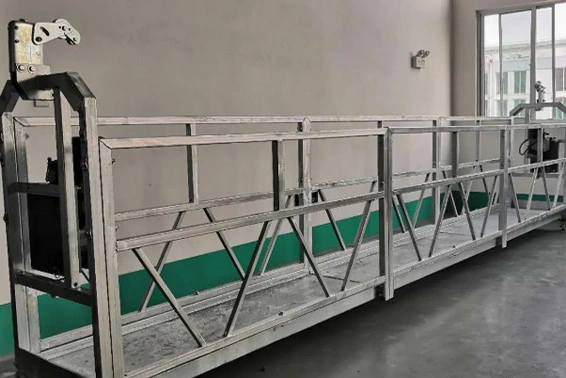
The platform's strong performance comes from carefully designed specs that take into account the toughest work environments. This suspended access system can hold up to 800 kg of heavy things, like stone panels, glass units, and installation tools. It can also hold more than one worker. The LTD80 hoist system is powered by two 1.8 kW motors that make smooth vertical movement at speeds of 8 to 10 meters per minute. This lifting rate strikes a good balance between speed and safety, letting workers get to their jobs quickly without risking their stability.
Core Technical Parameters and Construction
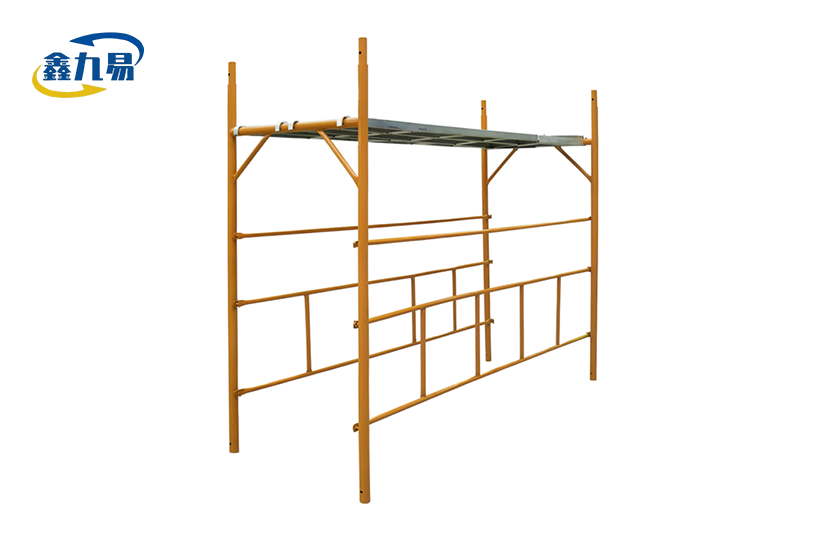
Platform measurements are 7,500 mm long, 690 mm wide, and 1,180 mm high, which gives a lot of room for activities to be coordinated across building surfaces. The support system is 250 kg heavy, and it works with a 1,000 kg counterweight system to make sure that the weight is spread out evenly. Depending on the corrosion strength and shipping needs of your project, you can choose between steel construction, which weighs 600 kg, or aluminum construction, which weighs 440 kg. Both types of materials have high-quality anti-corrosion treatments on the outside that make the frames stronger and extend the service life up to 20 years. The modular assembly design makes operation easier because field teams can set up the system without having to use special tools or follow complicated steps.
Advanced Safety Systems and Compliance Standards
The platform's safety features meet strict international standards, such as CE approval and compliance with EN 1808 European standards, as well as GB/T 19155-2017 requirements. The LSA30 and LSA20 safety lock types offer two levels of fall protection, activating themselves within milliseconds if the rate of drop goes beyond what is considered safe. When the power goes out, electromagnetic braking systems stop right away, and centrifugal speed limiters keep things from going too fast in any operational situation. The 9.1 mm diameter steel wire ropes are stronger than what is required by standard, providing the breaking power needed for long-term heavy-load activities. These designed safety features address the important issue of preventing accidents at high altitudes, giving project managers peace of mind that the tools will work well in tough situations.
Real-World Applications Across Industries
A lot of the time, this equipment is used by construction teams to put up big curtain walls when traditional scaffolding isn't realistic or affordable. The longer platform length lets crews work on putting together glass facades at the same time, which greatly speeds up the installation process for commercial towers. The flexible suspension design is useful for bridge and dam repair work because it can be installed on uneven structural profiles so that anti-corrosion coatings can be applied and structural checks can be done. Industrial facility managers use the platform to paint chimneys, clean silos, and do maintenance on wind turbines. The stable work surface makes it possible to do precise work in tight vertical spaces. Heavy external cladding projects that use stone or metal panel installation depend on the 800 kg ability to move materials and people in a single trip, which cuts down on cycle times and boosts worker productivity.
Comparing ZLP800 with Alternative Suspended Work Platforms
To choose the right aerial access equipment, you need to know how the different systems meet your specific project and operational needs. In the market, the ZLP800 Suspended Work Platform stands out because it has features that fill in the gaps left by lighter platforms while still being more useful than heavier options.
Performance Advantages Over Standard Models
This platform has a 27% higher carrying capacity than the ZLP630, which can hold 630 kg of products. This difference is very important when installing a facade and having to move three workers with tools and big glass or stone pieces at the same time. The bigger payload gets rid of the need for extra lifting processes, which directly cuts down on project time and labor costs. Platform length choices go up to 7.5 meters, up from 7 meters on smaller models. This lets you cover bigger parts of buildings when you're in one place. These advantages in dimensions lead to measurable gains in efficiency on big commercial projects where setup time and moving materials around have a big effect on overall schedules.
Cost-Effectiveness Versus Traditional Scaffolding
For high-rise work, traditional tube-and-coupler scaffolding requires a lot of expensive materials, a long time to put together, and regular inspections. Putting up scaffolding on a 40-story building can take weeks of work and take up valuable space on the ground that could be used for other building projects. These problems are solved by suspended platforms, which can be set up in hours instead of days and leave no trace on the ground. By simply adjusting the length of the rope, the tools can be used at any height, which isn't possible with set scaffolding structures. Total ownership over multiple projects shows that the suspended system gives a faster return on investment by lowering the costs of preparation and improving the speed at which projects can be turned around.
Durability and Maintenance Considerations
When used in normal building settings, galvanized steel parts don't rust, but aluminum versions offer better safety in coastal areas where salt air speeds up material breakdown. Because the platform is modular and uses standard parts, it is easier to keep track of extra parts and costs less to update them than private systems. Simple inspection and lubrication tasks that your teams can do without factory-trained techs are part of regular upkeep. This design makes it easier to fix problems and extends the life of the machine while reducing downtime. This is very important for rental fleet operators who have to keep track of equipment usage and maintenance costs.
Procuring the ZLP800 Suspended Work Platform: What You Need to Know
To make the best procurement choice, you need to look at ownership models, supplier credentials, and contract terms that fit with your business strategy and budget. Whether you're adding to your rental fleet or fitting company-owned assets, knowing these things will help you protect your investment and make sure the equipment works as needed for the job.
Purchase Versus Rental: Strategic Considerations
When your project schedule includes regular high-altitude work that lasts more than 18 months a year, it makes financial sense to buy the equipment outright. When you own your own tools, you don't have to pay rent every month. You can also make your own schedule, and your business will develop skills that make it more competitive when taking on new contracts. Rental is still a good option for short-term projects or one-time needs where protecting cash is more important than saving money in the long run. Many successful contracting companies use a mix of methods. They own core stocks of equipment and rent extra equipment during times of high demand.
Supplier Certification and Quality Assurance
When you buy ZLP800 Suspended Work Platform manufacturers that are ISO 9001, ISO 45001, or ISO 14001 certified, you can be sure that quality management, worker safety, and environmental protection standards will be followed throughout the production process. Once the CE marking and EN certification paperwork are checked, they show that the equipment meets the rules for use in the US and other countries. Reliable sources give full test results that include load testing at 1.25 times the stated capacity, non-destructive weld inspections, and confirmation of the material composition. Hebei Xinjiuyi Construction Technology keeps these licenses and paperwork standards up to date. This provides clear quality guarantee that meets the needs of both internal buying processes and external audit requirements.
Customization Options and Bulk Order Benefits
Thru maker tailoring services, platform sizes, surface finishes, and part specs can be changed to fit the needs of each project. Color-coding systems make it easier to find tools in groups that are made up of different kinds of vehicles, and corrosion protection that goes beyond standard requirements works in harsh environments. Buying in bulk can get you discounts based on the number of items you buy, which is especially helpful for rental companies that are expanding their fleets. Production lead times are usually between two and six weeks, but they can be shorter or longer based on the complexity of the order and the level of customization needed. This means that project activation dates can be met if everything is planned correctly.
After-Sales Support and Warranty Coverage
Full warranty policies that cover problems with the way the product was made protect your finances during the important first few months of use. After-sales support, which includes technical advice, spare parts delivery, and help with field service, makes sure that equipment keeps working well throughout its useful life. When problems happen, responsive maintenance help keeps downtime to a minimum, which directly protects project schedules and income streams. Setting clear warranty terms and service level agreements during buying talks stops disagreements and makes it clear what the supplier's responsibilities are. This helps build strong long-term relationships.
Safety and Compliance: Ensuring Risk-Free Operations with ZLP800
To keep job places accident-free, equipment needs to be built with multiple safety features and clear instructions for how to use it in all kinds of situations. The platform has many safety features that protect against fall hazards, mechanical failures, and operator mistakes, which are what cause most incidents involving suspended access.
Integrated Safety Mechanisms and Fail-Safe Design
The LSA30 safety lock device constantly checks the speed of descent and locks automatically if the speed goes too fast, even if the user doesn't do anything. A centrifugal force activates this mechanism, which works without electricity and protects even when the power goes out completely. Both hoist motors have electromagnetic brakes that go off right away when circuits sense something wrong. This keeps the hoist from moving without being controlled in all operating situations. When the platform weight gets close to its rated capacity, overload sensors sound an alarm and stop the machine from working. This keeps dangerous overloading situations from happening. These layers of protection make a fail-safe architecture where failures of a single component don't affect the safety of the whole system. This addresses the main concern of engineering managers who are in charge of crew welfare.
Regulatory Compliance and Certification Requirements
The Occupational Safety and Health Administration sets standards for powered platforms that all equipment used on US job sites must meet, along with any state and local rules that apply. CE approval shows that a product meets the safety standards of the European Union. This makes it easier for your company to use the product on foreign projects. Safety lock calibration should be done every six to twelve months to keep the certification valid and make sure the lock keeps working reliably. During regulatory checks and incident investigations, proof of compliance can be found in test certificates, inspection records, and upkeep logs. It's easier to handle compliance across multiple project countries when you work with suppliers who offer full certification packages and advice on regulatory requirements.
Operator Training and Competency Standards
Safe ZLP800 Suspended Work Platform operation depends on people who have been properly trained and know what the equipment can and can't do and how to handle an emergency. Pre-use inspections, proper loading methods, how to use fall protection equipment, and what to do if something goes wrong with the machinery should all be covered in training classes. Before letting a user run a platform on their own, many places require them to get a certificate that shows they are competent. Regular refresher training helps teams remember safe ways to do things and learn about new tools or changes to how things are done. Putting money into thorough operator training lowers the chance of accidents, limits your company's liability, and saves its image in markets that care about safety.
Maximizing Performance and Longevity of the ZLP800
To protect your equipment investment, you need to do regular repair that finds wear before it breaks and figures out the best time to change parts so that reliability and cost-effectiveness are both maintained. Platforms that are well taken care of keep working well over many years of use, which maximizes the return on investment in aerial access capabilities.
Routine Inspection and Preventive Maintenance
Every day, before the equipment is used, it is inspected to find clear problems like broken ropes, loose bolts, and problems with the electrical system. Every week, important parts like safety locks, stop systems, and structural links are carefully checked for signs of wear or damage. Following the manufacturer's instructions for lubricating moving parts once a month will keep them from wearing out too quickly and keep the machine running smoothly. These regular steps, which are written down on inspection checklists, create maintenance records that help with warranty claims and show that proper care was taken during incident investigations. Setting up standard repair procedures for all of your equipment supports consistent practices and makes crew training easier, no matter how much experience each operator has.
Component Replacement and Major Service Intervals
Wire ropes need to be replaced based on the results of an inspection or the service life specified by the manufacturer. Usually, this happens when a strand breaks or the diameter decreases beyond what is considered acceptable. Every year, safety locks must be re-calibrated at the factory to make sure they are engaging at the right speed and to keep their approval. Normal use wears out hoist motor brushes, brake pads, and bearing assemblies, so they need to be replaced at intervals that depend on how often they are used and where they are used. By planning to change parts during planned downtime, you can avoid unexpected failures that throw off project plans and cost a lot to fix. Keeping enough spare parts for common wear items on hand lets you fix things quickly without having to wait for orders from suppliers. This is especially helpful for rental fleet owners who are working on multiple projects at the same time.
Upgrade Opportunities and Performance Enhancement
Platform systems can be upgraded to make them more useful as business needs change or technology improves. Better control methods that let you change the speed make setting more accurate for complex facade work. Modernized safety tracking systems that record data in real time help with safety program checks and efforts to keep getting better. Upgrades to corrosion protection make equipment last longer in harsh environments where standard treatments don't work. Talking to makers about upgrades that are available during normal service times can help you find improvements that are both useful and won't cost a lot of money.
Conclusion
Choosing the right elevated work platform has a direct effect on the speed of the project, the safety of the crew, and the long-term costs of running all of your high-altitude work projects. Heavy-duty performance is provided by the ZLP800 Suspended Work Platform's carefully thought-out specifications, which meet the needs of demanding curtain wall installation, infrastructure maintenance, and industrial access. Its 800 kg weight limit, dual-motor dependability, and full safety systems meet the most important issues that procurement professionals worry about when choosing aerial access tools. Your company can get the most out of its equipment investments by understanding technical specs, comparing different options, checking the credentials of suppliers, and following strict maintenance procedures. Because the platform has been used successfully in many different situations in the past, you can be sure that your specifications will help the project succeed while upholding the safety standards that your reputation depends on.
FAQ
What maximum platform length configurations are available for the ZLP800?
Platform lengths of up to 7.5 meters can be used with the standard modular design, which keeps the structure rigid and evenly distributes the load so that it can hold up to 800 kg. When the load is at its highest, longer configurations could make safety factors and working stability less stable.
How often do safety locks require professional recalibration?
Visual checks every day make sure the device is clearly working, and professional factory recalibration is needed every six to twelve months, depending on how often it is used and the rules in the area. This recalibration makes sure that the contact speed stays within the limits that were set and that the certification is still valid.
Can the platform operate safely during windy conditions?
When wind speeds reach 10.8 meters per second, which is Level 6 on the Beaufort scale, work must stop and the platform must be lowered to the ground or locked down. Keeping things running past this point creates too many risks for stability.
Why specify aluminum construction over standard steel platforms?
Aluminum is better at resisting rust than steel, which is important for places like chemical plants and seaside areas where aggressive air conditions speed up steel's breakdown. The lighter weight (440 kg vs. 600 kg for steel building) makes transportation easier and lowers the load on the suspension system, which is especially helpful when moving tools from one project site to another.
What differentiates the 9.1 mm wire rope from standard specifications?
The bigger diameter gives it the higher breaking strength it needs to keep the safety factors right at 800 kg working load. The standard 8.3 mm rope that is used on smaller platforms isn't strong enough for this heavy-duty job.
Partner with Xinjiuyi for Your Suspended Platform Requirements
Hebei Xinjiuyi Construction Technology is ready to help you with your needs for helicopter access tools. They are certified by ISO 9001, ISO 45001, and ISO 14001 for quality control. As a supplier of the ZLP800 Suspended Work Platform, we can fully customize the size, materials, and finishes to meet the needs of your project. We provide full documentation packages that include CE certification, test results, and compliance advice that meet the needs of regulators in all foreign markets. In addition to supplying tools, our technical team offers design advice, quick production scheduling, and help in the field to make sure that even the most difficult projects are successfully deployed. Visit xjy8.com or email our team at global@xjy8.com to talk about your unique needs and find out how our heavy-duty platforms can help your operations while keeping your crew safe.
References
1. American National Standards Institute. ANSI/ASSE A10.36-2018: Safety Requirements for Suspended Scaffolds. Washington: ANSI Publications, 2018.
2. Construction Industry Institute. High-Rise Construction Safety Practices and Equipment Selection Criteria. Austin: CII Research Division, 2021.
3. European Committee for Standardization. EN 1808:2015 Safety Requirements for Suspended Access Equipment - Design Calculations, Stability Criteria and Safety Tests. Brussels: CEN Central Secretariat, 2015.
4. International Organization for Standardization. ISO 4306-3:2016 Cranes - Vocabulary - Part 3: Tower Cranes. Geneva: ISO Publications, 2016.
5. National Safety Council. Best Practices in Fall Protection for Construction Work at Heights. Itasca: NSC Press, 2020.
6. Occupational Safety and Health Administration. OSHA Technical Manual Section V Chapter 4: Powered Platforms for Exterior Building Maintenance. Washington: U.S. Department of Labor, 2019.