Anti-climbing Guard for Tower Crane: A Vital Lifeline for High-Altitude Safety on Construction Sites
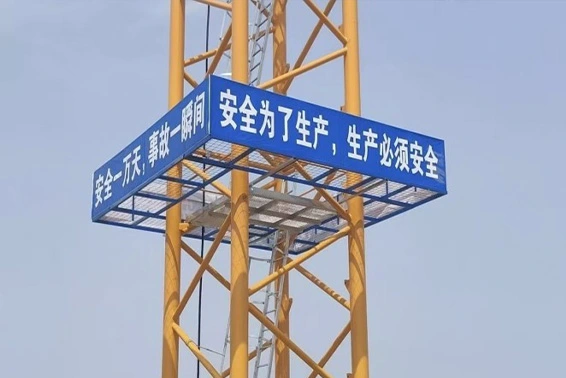
On bustling construction sites, tower cranes, known as the "giants of the sky," play a core role in material lifting and high-altitude operations. However, their towering masts, external ladders, and open platforms also make tower cranes one of the highest-risk areas on site. In recent years, accidents involving falls from heights due to unauthorized personnel entering restricted areas, illegal climbing, or damaged protective facilities have been frequent. These tragedies are often rooted in the absence of anti-climbing measures or management loopholes. Therefore, the Anti-climbing Guard for Tower Crane is by no means a mere formality; it is a mandatory requirement to uphold safety red lines and prevent fatal accidents.
Building a Solid Physical Barrier
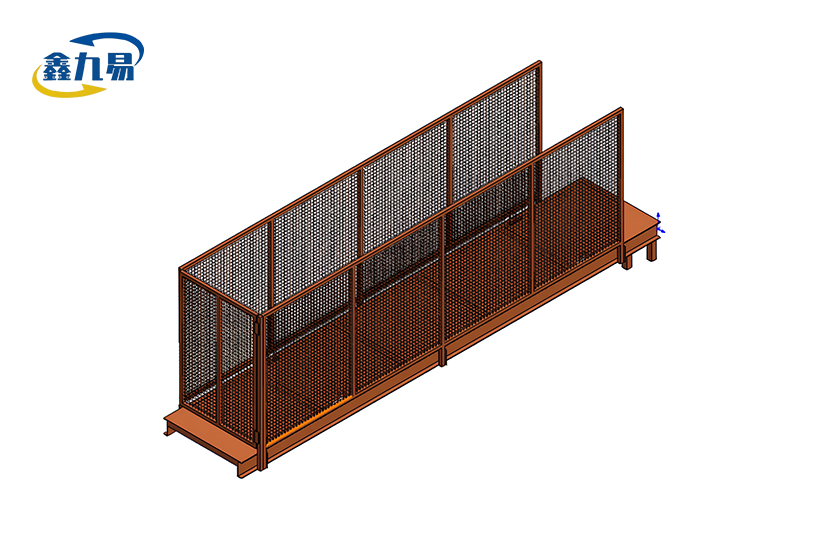
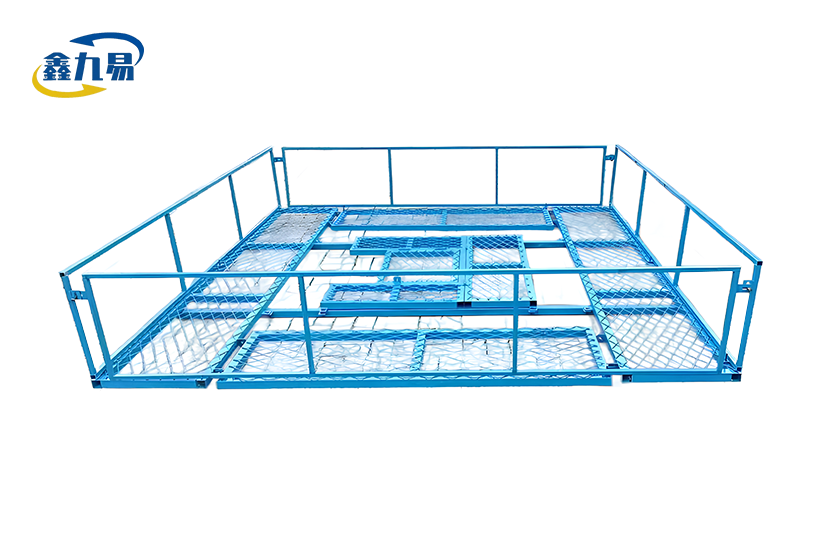
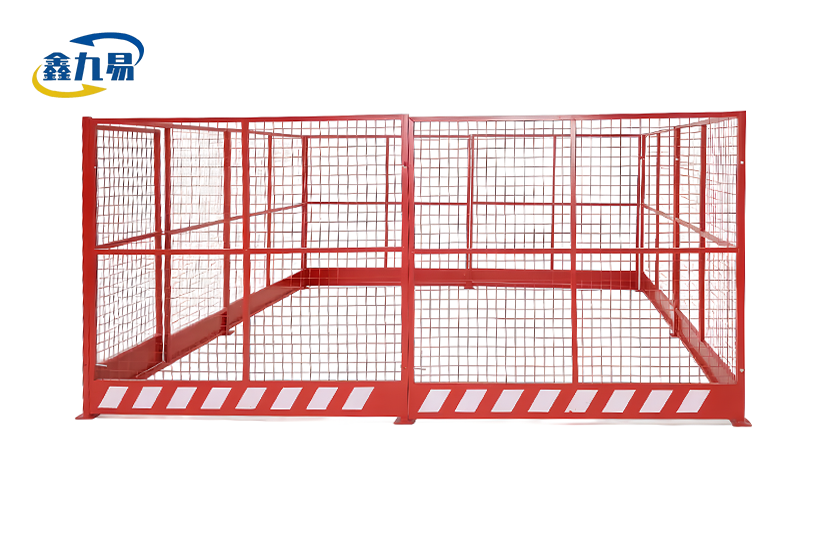
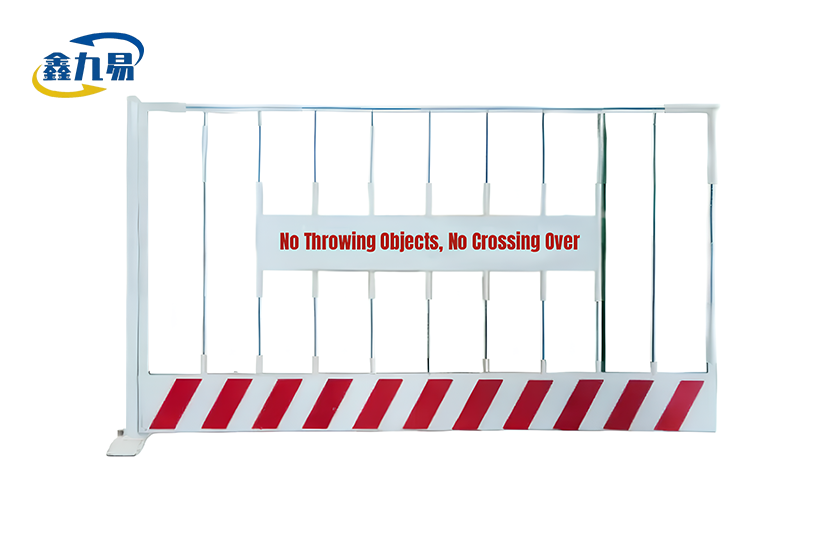
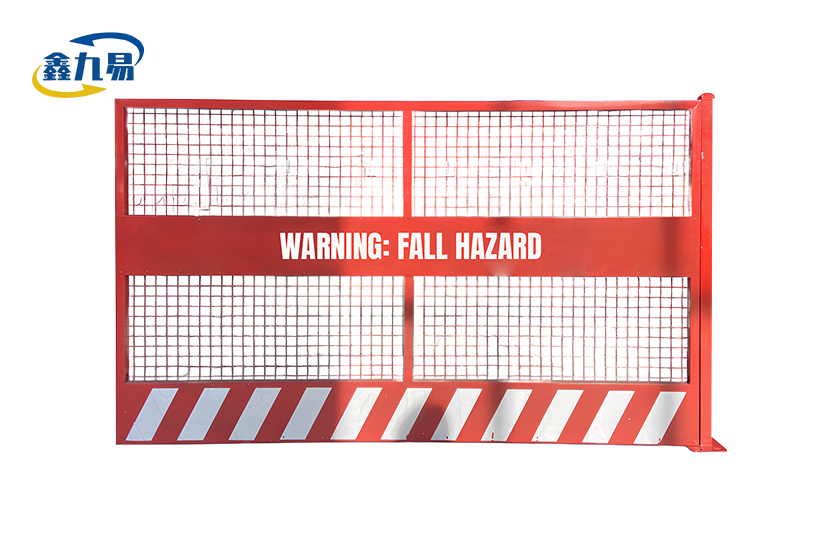
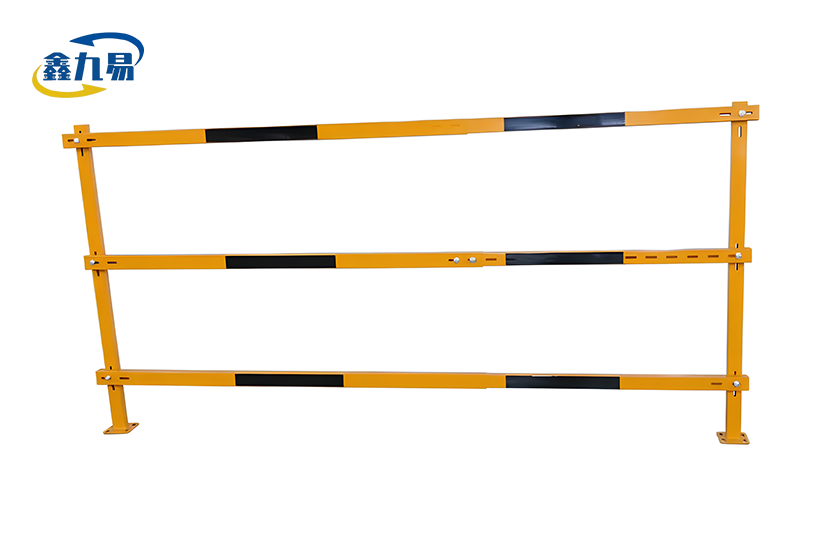
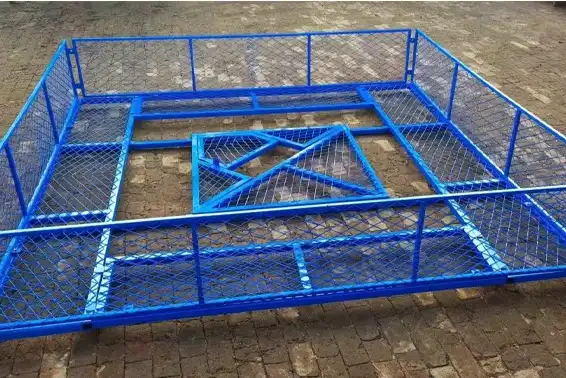
Effective physical enclosure serves as the first line of defense against climbing. According to relevant safety regulations, a continuous enclosed guardrail no less than 1.2 meters in height must be installed at the base of the tower crane. Made of high-strength steel, it must be capable of withstanding human impact and external forces. Protective facilities should be equipped with outward-flaring anti-climb flaps and anti-climb teeth at the bottom to completely eliminate the possibility of climbing over or crawling under. Meanwhile, full-coverage protection with lock management is required at ladder entrances, operating platforms, and floor docking points. Through the combined use of standardized anti-climbing enclosures and protective doors, absolute physical isolation is achieved, keeping unauthorized personnel completely out of hazardous zones.
Strengthening Visual Warnings
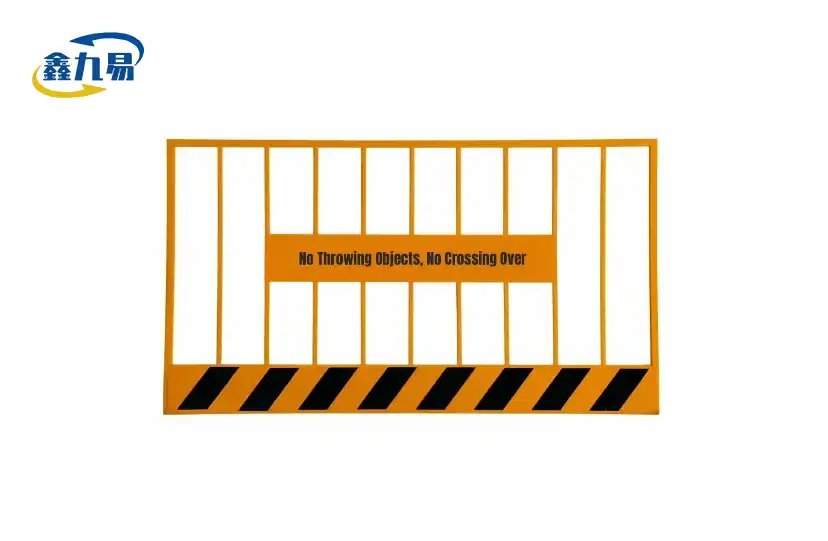
Beyond physical barriers, visual warnings are equally indispensable. Standardized warning signs with yellow backgrounds and black text, such as "No Climbing" and "Authorized Personnel Only," must be prominently posted at the base of the tower crane, on protective enclosures, and on the mast to ensure the messages are clear and securely fixed. More importantly, safety awareness must be deeply ingrained in the mind of every construction worker. Through regular safety briefings and case-based education, the severe consequences of unauthorized climbing by unlicensed personnel must be made clear. This helps eliminate dangerous mindsets like "curiosity" and "false hope," making "no climbing, no violations" an untouchable behavioral baseline on site.
Implementing Routine Inspections
Even the most perfect facilities will be rendered useless without effective management. A dedicated management and daily inspection system must be established. Full-time safety officers are required to inspect the sturdiness of guardrails, the integrity of locks, and structural corrosion daily, maintaining detailed records and ensuring closed-loop rectification. Issues such as delayed restoration after temporary removal or remaining hazards from damaged protection must be handled strictly: "identify one, rectify one, and clear one." At the same time, strict enforcement of the licensed operation and work reporting systems is necessary. Unlicensed climbing is strictly prohibited. By strengthening on-site patrols and access control, and strictly preventing outsiders from approaching, a full-chain closed-loop management system from "human defense" to "technical defense" and finally to "system defense" can be truly realized.
The Anti-climbing Guard for Tower Crane may seem like a minor matter involving a few guardrails, a lock, and a warning sign, but it is actually a major issue concerning lives, responsibilities, and corporate reputation. As a provider of standardized safety products, we deeply understand that behind every set of anti-climbing devices lies a family's expectation and a heavy social responsibility. Only by implementing standards in practice and pushing protection to the extreme can we truly safeguard high-altitude operations and ensure that every builder returns home safely.

you may like