Ductile Iron Gully Grating: The Invisible Guardian of Urban Drainage
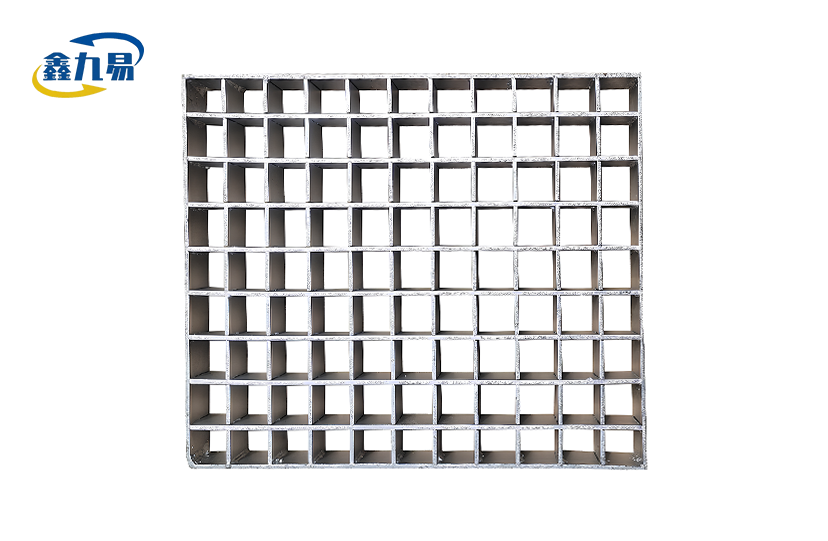
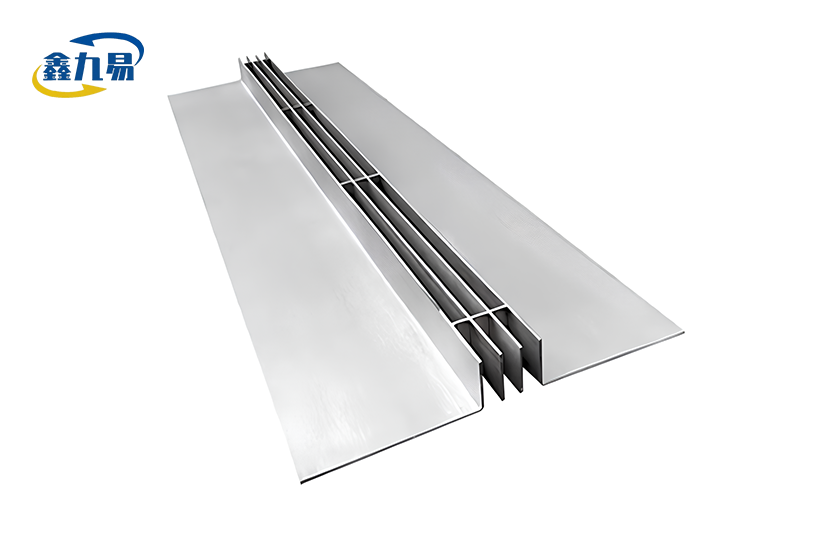
Though inconspicuous within the underground pipe network, the Ductile Iron Gully Grating is a critical component for ensuring road safety and drainage efficiency. During heavy downpours, it silently shoulders the responsibility of diverting water. In daily use, it withstands the crushing weight of vehicles and the footsteps of pedestrians, while also resisting corrosion and theft. Choosing a qualified cast iron gully grating is not only about drainage performance but also directly impacts public safety and long-term maintenance costs.
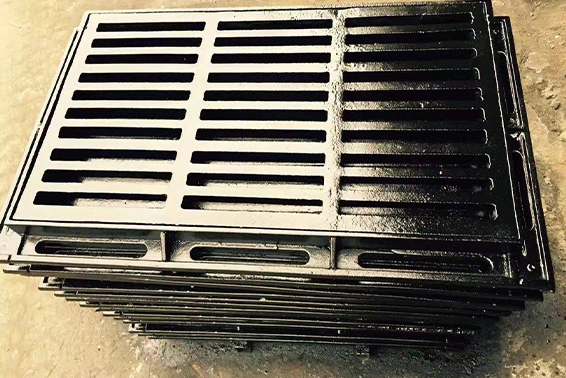
Why is Cast Iron the Preferred Material for Gully Gratings?
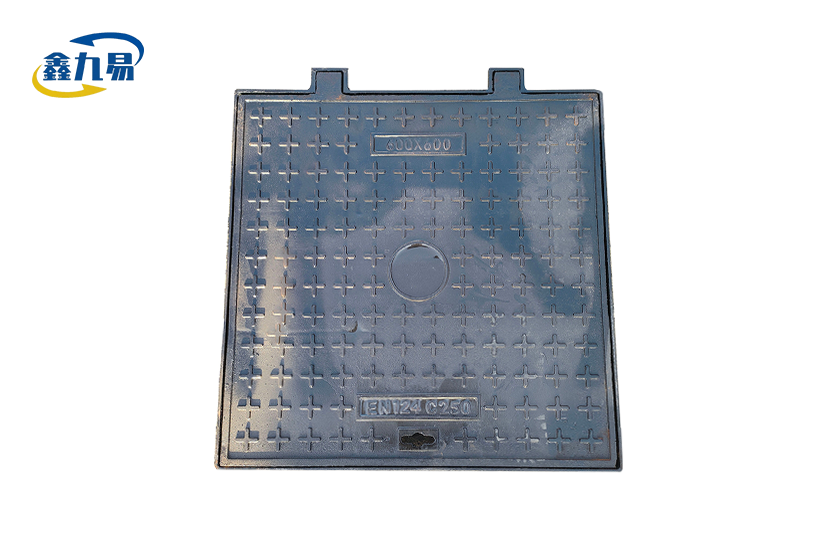
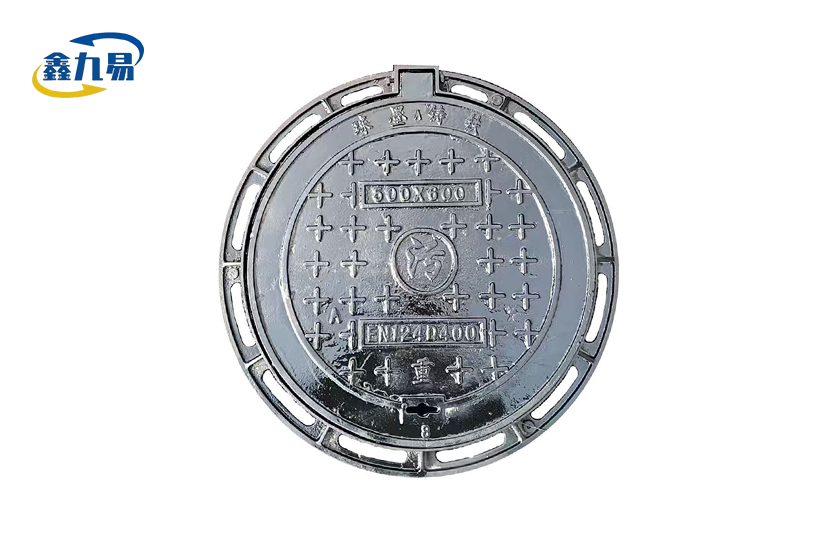
Cast iron, particularly ductile iron, is the top choice for municipal drainage projects due to its high strength and toughness. Compared to ordinary gray cast iron, ductile iron undergoes spheroidizing treatment, which distributes graphite in a spherical shape. This results in exceptionally high tensile strength and excellent elongation. Consequently, it is less prone to brittle fracture under heavy loads; even if slight deformation occurs, it can absorb energy rather than breaking suddenly. For main roads with heavy traffic or industrial zones, this toughness directly translates to a longer service life and lower safety risks.The EN124 standard classifies manhole covers and gratings into various load classes. Gully gratings typically require classes designated for main roads or areas with dense industrial traffic, capable of withstanding significant concentrated loads. Choosing the wrong class is no minor issue—lower classes suffice for standard urban roads, whereas logistics parks or port facilities with frequent forklift traffic demand higher classes. Modern Ductile Iron Gully Gratings also feature an integrated frame design, where the grating and frame function as a single load-bearing unit. This evenly distributes pressure to the surrounding pavement structure, fundamentally preventing issues like cover subsidence and road cracking.
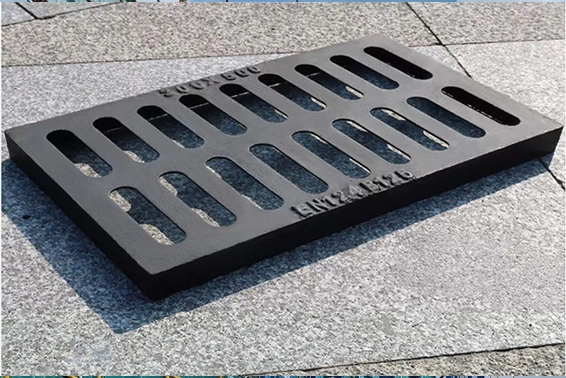
Safety Details: Anti-slip, Anti-theft, and Corrosion Resistance
The surface of a gully grating is usually designed with anti-slip patterns to ensure pedestrian safety during rainy weather. The edges are passivated and free of sharp corners to reduce the risk of tripping and scratching. In terms of anti-theft measures, ductile iron itself has relatively low scrap value. Additionally, some products are equipped with concealed hinges or specialized opening tools, significantly reducing the incentive for theft.By contrast, plastic or composite gratings cannot withstand loads above D400, and steel gratings require additional anti-corrosion treatments to meet the requirements of coastal or chemical zones. Asphalt coatings (50–100 microns) provide basic rust prevention, while epoxy coatings can handle chemically corrosive environments. Salt spray and freeze-thaw cycle tests ensure stable operation in coastal or cold regions. When paired with EPDM rubber sealing strips, it also prevents odor dispersion and sediment backflow, keeping the pipelines clean.
Total Cost of Ownership: Initial Investment vs. Long-term Returns
The initial purchase price of cast iron gully gratings may be higher than plastic alternatives, but their service life of over 25 years requires virtually no maintenance, significantly lowering the total cost of ownership. For municipal procurement teams, choosing ductile iron is not only a safety consideration but also a rational decision based on life-cycle costs. Although the upfront investment is slightly higher, when factoring in maintenance expenses, theft losses, and labor costs for replacement, the cast iron solution proves to be more economically competitive overall.The Ductile Iron Gully Grating may appear simple, but it actually embodies the combined wisdom of materials science, structural engineering, and safety design. From matching load classes to anti-subsidence integrated designs, and from anti-slip textures to corrosion-resistant coatings, every detail is crucial to public safety and engineering quality. While pursuing efficient drainage, selecting a Ductile Iron Gully Grating with comprehensive specifications and complete certifications is the most pragmatic investment in urban infrastructure.
Frequently Asked Questions
Q1: Will Ductile Iron Gully Gratings rust?
A: Qualified Ductile Iron Gully Gratings feature anti-rust coatings on the surface, such as asphalt or epoxy coatings, which effectively isolate air and water, greatly slowing down the rusting process. In normal urban environments, severe corrosion will basically not occur within 25 years. Only in areas near chemical plants with severe chemical pollution is it necessary to upgrade to coatings with stronger anti-corrosion performance.
Q2: How can I tell if a gully grating is of good quality?
A: There are three main points to check: First, see if the load class meets the actual road requirements; main roads should use at least D400 class or above. Second, check for EN 124 certification and third-party inspection reports. Third, examine the surface treatment process; high-quality products will have uniform anti-slip textures and complete anti-rust coatings.
Q3: Which is better, cast iron or composite gully gratings?
A: It depends on the application scenario. For pedestrian-heavy areas like green belts and sidewalks, composite materials are lighter, rust-proof, and non-conductive, offering higher safety. However, for main roads with heavy traffic, industrial zones, or ports, cast iron clearly has the advantage in load-bearing capacity and impact resistance. Simply put: choose composite materials for pedestrian-heavy areas, and cast iron for vehicle-heavy areas.
Q4: How often does maintenance need to be performed?
A: Under normal circumstances, an annual inspection is sufficient. Focus on checking whether the grating is clogged, whether the coating is peeling, and whether the hinges are flexible. If poor drainage is found, simply clear the leaves and debris from the grating in a timely manner. High-quality Ductile Iron Gully Gratings require virtually no extra maintenance under normal use; the money saved is enough to buy several new ones.
Q5: What should be paid attention to during installation?
A: Most importantly, the frame must be installed flush with the road surface. Any height difference will lead to water accumulation or tripping hazards. Before installation, confirm that the load class matches the requirements, and customize non-standard sizes in advance. Additionally, a fixed hinge system can prevent the cover from shifting, making it particularly suitable for sections with frequent braking, such as highway entrances.

you may like